The Royal Tomb
Cancún, Mexico
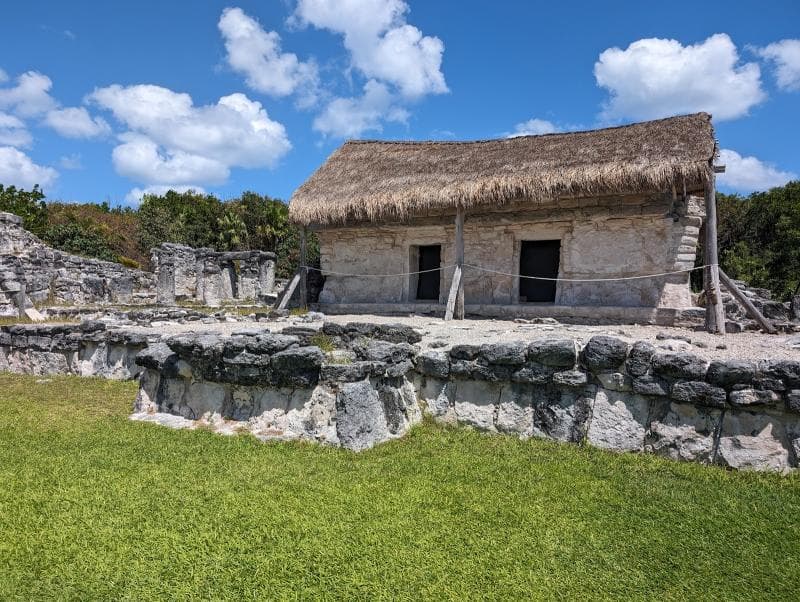
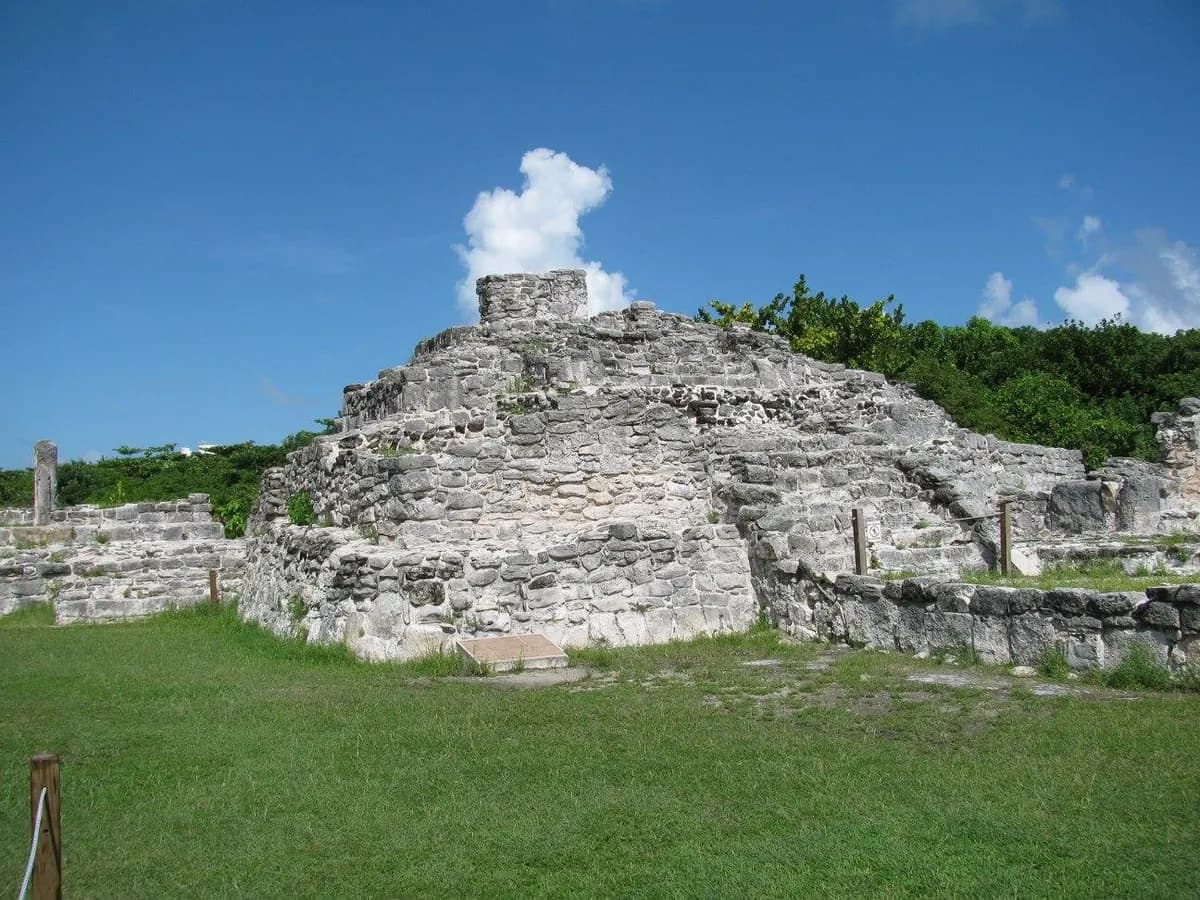
Explore The Royal Tomb within El Rey Ruins in Cancún, Mexico. Discover the ancient Mayan burial site of a high-ranking noble and the history of this coastal trade port.
Overview
Deep within Cancún's vibrant Hotel Zone lies a serene window into the ancient Mayan world: the El Rey Archaeological Zone. While perhaps less renowned than other colossal Mayan cities, El Rey offers a uniquely accessible and intimate encounter with a pre-Columbian past. Among its 47 stone structures, one particular discovery stands out, enriching our understanding of this coastal settlement: the burial site of a high-ranking individual, often referred to as 'The Royal Tomb', located within the site's main pyramid. This significant find underscores El Rey's importance not just as a bustling trade port, but also as a ceremonial center that honored its elite with distinctive funerary practices. [5, 10, 11, 17]
History & Cultural Background
El Rey, meaning 'The King' in Spanish, owes its modern name to a sculpted stone head resembling a monarch discovered at the site in 1909; this sculpture is now housed in the nearby Cancún Mayan Museum. [7, 10, 12, 17] The site's original Mayan name remains unknown. [10, 17] Its history stretches back centuries, with evidence suggesting initial settlement by fishermen around 300 AD. [7, 8, 10, 17] However, El Rey truly flourished during the Late Postclassic period, roughly between 1200 and 1500 AD, becoming a vital port within the extensive Mayan maritime trade network. [6, 8, 10, 12, 17] Its strategic location between the Caribbean Sea and the Nichupté Lagoon facilitated trade in goods like salt, crucial for preserving food, and other valuable commodities. [4, 5, 8, 11] Archaeologists have found imported goods such as basalt grinding stones, flint, obsidian, and jade, indicating extensive trade connections with communities like Xel Ha, Tulum, and Chichen Itza. [4, 9, 19] The architecture at El Rey reflects the 'East Coast Style', similar to that found in Tulum. [6, 19] After the arrival of the Spanish in the 16th century, the established trade routes were disrupted, leading to the abandonment of El Rey as its inhabitants moved inland. [8, 10, 12, 17]
What Makes It Special
The core of El Rey's special allure, particularly for those seeking deeper historical context, lies in the discovery of 'The Royal Tomb'. In 1975, archaeologists conducting excavations within the tallest structure at the site, a pyramid often referred to as Structure 2, uncovered the burial site of a high-ranking individual. [6, 10, 11, 17] This person, believed to have been a nobleman or a lord, was interred with significant funerary offerings, including a copper axe, a bracelet, and intricate ornaments made from seashells and bone. [10, 11, 17] This rare find provided invaluable insights into the social hierarchy, wealth, and ceremonial practices of El Rey's ancient inhabitants. It solidified the understanding that El Rey was not merely a trading post but also a place where an elite class held sway, deserving of elaborate burials. While direct access to the tomb itself within the pyramid is restricted to preserve the site, the knowledge of its existence transforms the towering structure from mere stone into a poignant monument of ancient Mayan power and reverence. The site also features remnants of mural paintings depicting gods, further highlighting its ceremonial significance. [8, 10, 17]
Stories, Fun Facts & Local Details
The name 'El Rey' itself carries a fascinating anecdote. It was chosen by early explorers after finding the sculpted head of a 'king' or noble, making it a site named not by its original Mayan occupants, but by later observers who recognized the signs of leadership within its ruins. [7, 10, 12, 17] While the actual 'King' sculpture now resides in the Cancún Mayan Museum, the essence of royalty and historical intrigue remains embedded in the site. El Rey is also famously home to a large population of iguanas that freely roam the grounds. These ancient-looking reptiles, often sunbathing on the stone structures or darting through the foliage, provide a lively and somewhat prehistoric atmosphere, delighting visitors and adding an unexpected element of natural wildlife to the archaeological experience. [18, 21] The site's compact size, measuring approximately 520 meters north to south and 70 meters east to west, allows for an engaging exploration without being overwhelming. [4, 6, 19] This makes it a perfect complement to a visit to the nearby Mayan Museum, where the artifacts and context from El Rey, including the original 'King' sculpture, are thoughtfully presented. [7, 13]
Visitor Perspective
Visiting El Rey Archaeological Zone offers a tranquil escape from the bustling modernity of Cancún, allowing travelers to step back in time. As you wander among the platforms and structures, especially near the main pyramid where 'The Royal Tomb' was discovered, it's easy to imagine the daily life and ceremonial significance of this ancient Mayan community. The well-marked paths guide you through the remnants of palaces, temples, and residential buildings, with informative plaques providing context to each structure. [5, 18] It's a place for quiet reflection, offering a tangible connection to the rich history of the Yucatán Peninsula. The relatively small size of the site means it can be comfortably explored within an hour to an hour and a half, making it an ideal half-day excursion. [5, 13] To make the most of your visit, wear comfortable walking shoes, as the paths can be uneven, and bring sun protection such as a hat and sunscreen, as shade is limited. [15, 18] Although not as grand in scale as Chichen Itza or Tulum, El Rey provides a meaningful glimpse into Mayan civilization right in the heart of Cancún, a testament to the enduring legacy of an incredible culture. [5, 7, 13]
Coordinates: -86.7766, 21.0772
View on Google Maps💬 How Travelers Describe This Place
Based on community votes
Photogenic
948Unique
595Beautiful
358Interesting
196Must See
19
Traveler Stories
Discover memorable experiences shared by travelers who have visited this place.
No traveler stories yet.
Be the first traveler to share what made this place memorable.

Tour
By
Spot
Discover amazing places around the world. Your journey starts here.
Explore
© 2026 TourBySpot. All rights reserved.