The Royal Mews
London, United Kingdom
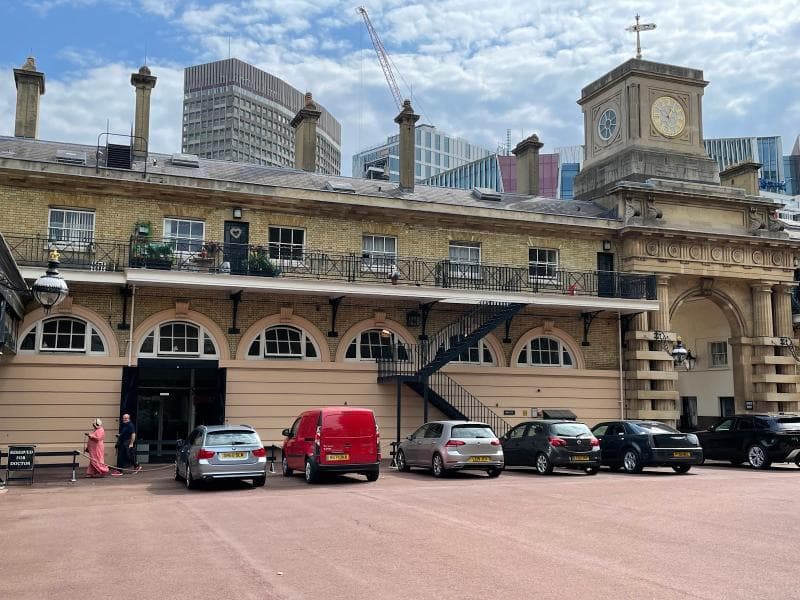
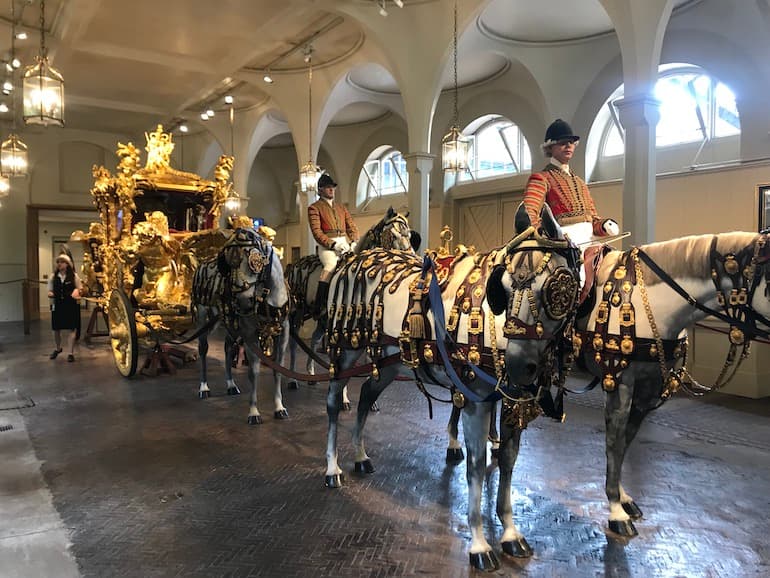
Explore The Royal Mews at Buckingham Palace, London, United Kingdom. Discover royal carriages, state limousines, and famous horses.
Overview
Nestled within the grandeur of Buckingham Palace in London, United Kingdom, The Royal Mews stands as a vibrant, operational department of the Royal Household. Far from being a mere museum, it is one of the world's finest working stables, serving as the hub for all royal road travel, encompassing both magnificent horse-drawn carriages and a fleet of state motor cars. Visitors stepping into The Royal Mews are invited to explore this unique blend of living tradition and active service, gaining an intimate understanding of the meticulous preparations required for state occasions and daily royal engagements. It offers a rare glimpse behind the scenes into the maintenance of priceless coaches, the care of the esteemed royal horses, and the daily lives of the dedicated staff who ensure the seamless movement of the monarchy.
History & Cultural Background
The name 'Mews' itself carries a rich historical tapestry, stretching back to the 14th century when royal hawks were kept at Charing Cross during their moulting, or 'mewing,' season. After a fire in 1534 destroyed the royal stables, King Henry VIII decided to rebuild the Charing Cross mews as a stable for horses, retaining the original name. This marked the transformation of the term 'mews' from a place for falcons to a place for horses. The Royal Mews found its permanent home at Buckingham Palace in the 1820s, a design overseen by the renowned architect John Nash, who also played a pivotal role in redesigning Buckingham Palace itself. This relocation consolidated the royal transport operations, establishing a sophisticated complex that would evolve with the monarchy through the centuries. The oldest part of the complex, the Riding School, dates back to 1765-6, commissioned by George III. Over time, the Mews adapted to changing needs, notably incorporating motor vehicles alongside its traditional carriages and horses, yet always maintaining its essential function as the logistical heart of royal transport.
What Makes It Special
What truly sets The Royal Mews apart is its dual role as both a historical repository and a dynamic, functioning institution. It houses an unparalleled collection of royal carriages, including the iconic Gold State Coach, a dazzling, 260-year-old masterpiece that has been used at every coronation since George IV in 1821. Another highlight is the Diamond Jubilee State Coach, a more modern marvel commemorating Queen Elizabeth II's Diamond Jubilee. Beyond the carriages, visitors can often encounter the magnificent working horses, primarily the elegant Windsor Greys and the sturdy Cleveland Bays. These horses are not merely ceremonial; they are meticulously trained and play an active role in state occasions, as well as performing duties like the daily messenger service between Buckingham Palace and St James's Palace. Adding to this unique blend of old and new, The Royal Mews also proudly displays a selection of the royal family's motor cars, including bespoke Bentleys and Rolls-Royces, some of which are still in use today. It is a living exhibition of royal transport, where the past and present coalesce in active service to the Crown.
Stories, Fun Facts & Local Details
- The Gold State Coach is a truly impressive sight, weighing four tons and requiring eight horses to draw it. Its sheer scale and intricate gilding make it a focal point of any visit.
- The Windsor Greys are distinctive for their beautiful coats and are exclusively used to pull carriages containing the monarch. They are chosen by the Head Coachman for their calm temperament and stamina, and are washed daily to maintain their pristine appearance.
- The Cleveland Bays, one of the oldest English horse breeds, are known for their strength and are primarily used for pulling other royal carriages and for daily duties.
- Every horse at The Royal Mews is personally named by the reigning monarch, often reflecting places visited or their bloodline.
- In a charming example of sustainability, the manure produced by the Mews' horses is used to fertilize the adjacent Buckingham Palace Garden.
- The Royal Mews is considered a 'working village,' with staff and their families living on site, a tradition that dates back to Queen Victoria establishing a school for their children in 1855.
- Among the impressive collection of motor vehicles is a rare 1950 Rolls-Royce Phantom IV, which was at one point the most expensive car ever made by Rolls-Royce.
Visitor Perspective
For a curious traveler, a visit to The Royal Mews offers a fascinating and often overlooked insight into the inner workings of the British monarchy. It provides a unique opportunity to explore a working royal establishment that maintains age-old traditions alongside modern necessities. The typical visit takes approximately 60 to 90 minutes, allowing ample time to appreciate the stunning coaches, examine the intricate livery and harnesses, and perhaps even catch a glimpse of the famous horses in their stables. Multimedia guides are available in multiple languages, enhancing the experience with detailed narratives and historical context. While the horses may sometimes be out on duty or training, there's always a sense of the dynamic life within these historic walls. The Mews is generally open to the public for much of the year, providing an accessible and engaging complement to a visit to Buckingham Palace itself. It's a chance to connect with the living history of royal pageantry and witness the dedication required to keep such traditions alive.
Coordinates: -0.14, 51.4925
View on Google Maps💬 How Travelers Describe This Place
Based on community votes
Beautiful
795Interesting
536Must See
522Unique
489Photogenic
251
Traveler Stories
Discover memorable experiences shared by travelers who have visited this place.
No traveler stories yet.
Be the first traveler to share what made this place memorable.

Tour
By
Spot
Discover amazing places around the world. Your journey starts here.
Explore
© 2026 TourBySpot. All rights reserved.