The Mosque’s Expanding Courtyards
Mecca, Saudi Arabia
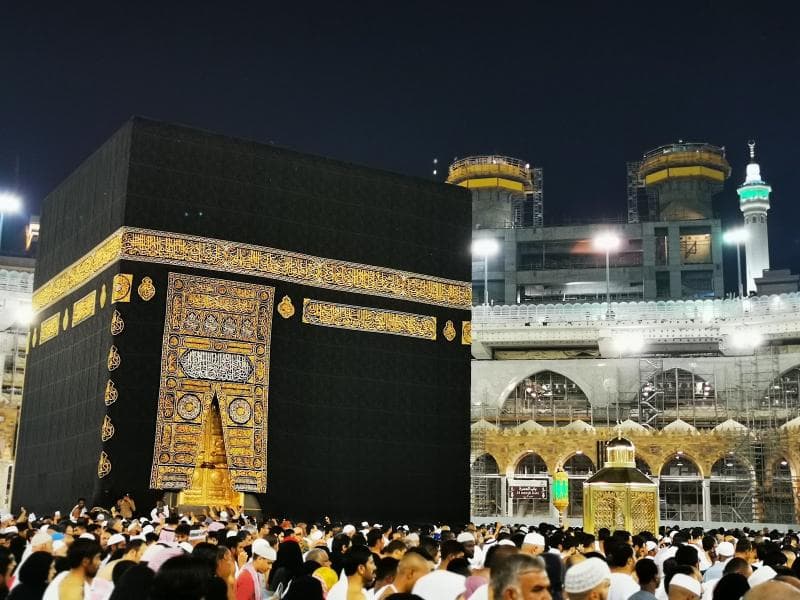
Explore The Mosque’s Expanding Courtyards within Masjid al-Haram, Mecca, Saudi Arabia, a marvel of faith and engineering accommodating millions of pilgrims.
Overview
The phrase 'The Mosque’s Expanding Courtyards' refers to the monumental and ongoing expansion projects that have continuously reshaped and enlarged Masjid al-Haram in Mecca, Saudi Arabia. These projects are primarily driven by the need to accommodate the ever-increasing millions of pilgrims who visit Islam's holiest site annually for Hajj and Umrah. More than just open spaces, these courtyards are meticulously planned, integrated prayer areas designed to enhance the spiritual journey for worshippers. Recent efforts, particularly the King Abdullah Expansion Project, have drastically increased the mosque's capacity and modernized its facilities, making it an architectural marvel of both faith and engineering.
History & Cultural Background
The tradition of expanding Masjid al-Haram dates back to the earliest days of Islam. The second Caliph, Umar Ibn Al-Khattab, in 638 AD, was the first to recognize the need for more space, expanding the mosque by demolishing surrounding houses to create an outdoor prayer area. Caliph Uthman further enlarged this area and added covered porticoes. Subsequent Abbasid caliphs, like al-Mansur and al-Mahdi, continued these efforts, significantly increasing the mosque's footprint, often relocating outer walls to keep the Kaaba central.
During the Ottoman era, significant renovations occurred, but the major expansions in terms of area commenced in the Saudi era. The first Saudi expansion, initiated by King Abdulaziz in 1955 and continued by King Saud, King Faisal, and King Khalid, expanded the total area considerably, incorporating the Mas'aa (the running course between Safa and Marwa) into the mosque complex and paving courtyards.
The King Fahd expansion, which began in 1988, added a new wing, outdoor prayer areas, and significant infrastructure, including air conditioning and escalators. This phase included laying the foundation for modernizing the mosque's courtyards.
The most ambitious expansion to date, the King Abdullah Haram Expansion Project, launched in 2011 and inaugurated by King Salman, represents a historic leap. It aimed to increase the mosque's capacity to over 2.5 million worshippers, covering an additional 400,000 to 456,000 square meters. This project focused heavily on new buildings, multi-level courtyards, walkways, and tunnels, integrating them seamlessly with the existing structure.
What Makes It Special
The expanding courtyards of Masjid al-Haram are special due to their immense scale, the advanced engineering solutions employed, and their profound spiritual significance. These outdoor prayer areas are not merely extensions; they are vital components of a fully integrated complex. The latest expansions feature state-of-the-art cooling systems, providing comfortable temperatures even in Mecca's intense heat. Heat-resistant marble paves these vast areas, ensuring a pleasant experience for barefoot pilgrims.
The integration of numerous escalators, elevators, and pedestrian tunnels facilitates smooth movement for millions of worshippers, significantly reducing congestion during peak seasons. Modern service facilities, including sophisticated sound systems with thousands of speakers, advanced waste disposal, and extensive ablution areas, are hallmarks of these expansions. The architectural design ensures that despite the enormous scale, the spiritual focus on the Kaaba remains paramount.
Stories, Fun Facts & Local Details
The sheer investment in these expansions is staggering, with projects like the King Abdullah expansion costing tens of billions of US dollars, highlighting the Saudi government's commitment as Custodian of the Two Holy Mosques. It's fascinating to consider that the mosque's footprint has grown from a relatively small area in early Islamic times to over 1.2 million square meters today. The continuous expansion reflects a deep-rooted tradition, where every generation has sought to improve the experience for pilgrims. The design of new gates, like the King Fahd Gate, and the addition of minarets (bringing the total to eleven after recent expansions) are testaments to this ongoing commitment. The courtyards are equipped with thousands of Zamzam water dispensers, ensuring pilgrims have easy access to the blessed water.
Visitor Perspective
For a visitor, the expanding courtyards offer an unparalleled experience of space, comfort, and profound spirituality. Standing in these vast, open-air prayer areas, particularly during Fajr or Isha prayers, one feels a sense of awe at the sheer number of people united in worship, all facing the Kaaba. The expansive courtyards alleviate much of the crowding that could otherwise detract from the pilgrimage, allowing for a more serene and focused worship.
The provision of dedicated prayer areas for people with disabilities, along with ramps and electric carts, makes the Grand Mosque accessible to everyone. The heat-resistant marble underfoot and efficient cooling systems in covered areas provide a welcome respite from the desert climate. The clear sound system ensures that the Imam's recitation reaches every corner, uniting the congregants. Navigating the complex is made easier by numerous entrances and clear signage, contributing to a seamless and spiritually enriching visit to Islam's holiest site.
Coordinates: 39.826399, 21.422088
View on Google Maps💬 How Travelers Describe This Place
Based on community votes
Must See
910Unique
658Interesting
589Beautiful
374Photogenic
90
Traveler Stories
Discover memorable experiences shared by travelers who have visited this place.
No traveler stories yet.
Be the first traveler to share what made this place memorable.

Tour
By
Spot
Discover amazing places around the world. Your journey starts here.
Explore
© 2026 TourBySpot. All rights reserved.