The High Altar and Sanctuary
London, United Kingdom
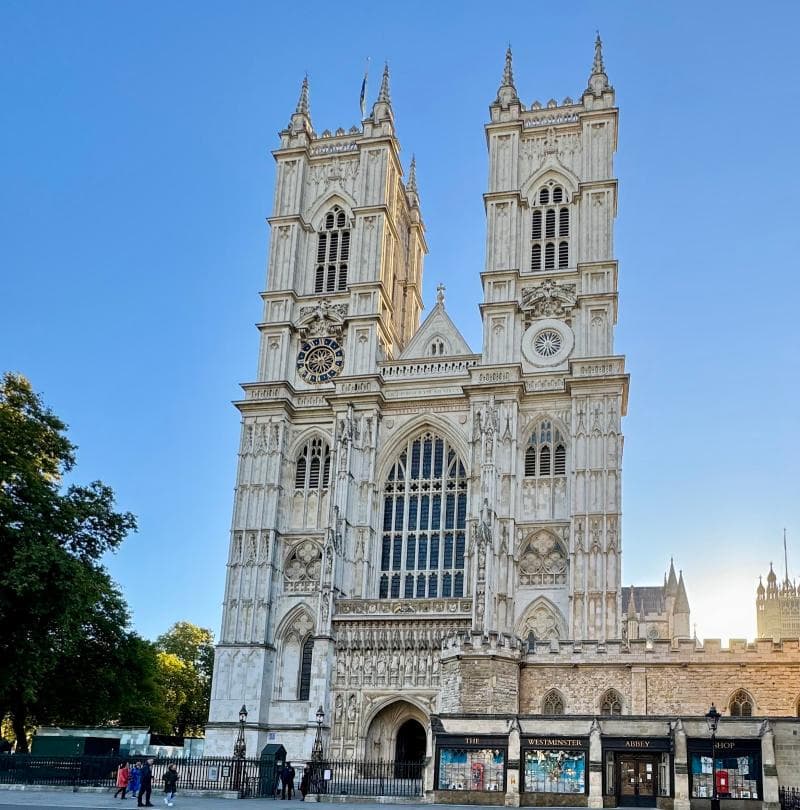

Explore the High Altar and Sanctuary in Westminster Abbey, London, UK. Discover its rich history, royal connections, and stunning Cosmati pavement.
Overview
At the very heart of Westminster Abbey, nestled within the sacred space known as the Sacrarium, stands the High Altar and Sanctuary. This profoundly significant area is not merely an architectural focal point; it is the spiritual and ceremonial epicentre of one of the world's most storied buildings. Dedicated to St. Peter, the High Altar serves as the stage for the Abbey's most solemn religious rites, including coronations, royal weddings, and daily worship. Its elaborate design and rich history offer a tangible connection to centuries of British monarchy and faith, inviting visitors to reflect on the monumental events that have unfolded here.
The area immediately in front of the High Altar features one of the Abbey's true treasures: the Cosmati pavement. This intricate marble inlay work, dating back to 1268, draws the eye with its geometric patterns and vibrant colours, creating a sense of awe and wonder.
History & Cultural Background
The history of the High Altar and Sanctuary is inextricably linked with the very origins of Westminster Abbey itself. While the Abbey's foundations date back to a Benedictine monastery established around 960 A.D., the current Gothic structure began to take shape under King Henry III in 1245. He envisioned a magnificent church to house the shrine of Edward the Confessor and serve as a royal burial ground.
The High Altar was originally consecrated on 13 October 1269, marking a pivotal moment in the Abbey's construction and spiritual life. Over the centuries, the altar has witnessed numerous transformations. The current wooden altar table and the breathtaking reredos (the screen behind the altar) were designed by the Abbey Surveyor Sir George Gilbert Scott between 1866 and 1867. This Victorian-era masterpiece replaced earlier designs, including one by Sir Christopher Wren.
The concept of a 'sanctuary' within a church also carries deep historical resonance. Historically, the Abbey offered a 'right of sanctuary', providing refuge to those fleeing persecution or justice. While the physical sanctuary building that housed these refugees no longer exists, the term 'Sanctuary' for the area around the High Altar reinforces its sacred and protective aura.
What Makes It Special
What truly distinguishes the High Altar and Sanctuary is its role as the stage for British history. Every coronation of a British monarch since William the Conqueror, with only two exceptions, has taken place here. The future of a nation has been symbolically forged on this very spot, making it a living testament to an unbroken line of sovereignty.
The decorative elements of the High Altar are a feast for the eyes and a testament to masterful craftsmanship. The reredos boasts a stunning mosaic depicting the Last Supper, designed by J.R. Clayton and executed by the Italian artist Antonio Salviati. Above this, an inscription proclaims, 'The kingdoms of this world are become the kingdoms of our Lord and of his Christ', alongside a gilded frieze illustrating scenes from the life of Christ. Four imposing statues, depicting Moses, St. Peter, St. Paul, and King David, sculpted by H.H. Armstead, flank the altar, adding to its majestic presence.
The aforementioned Cosmati pavement, with its intricate patterns of onyx, porphyry, serpentine, and coloured glass, is a rare example of this medieval Italian art form outside of Italy. One of its Latin inscriptions even makes a fascinating calculation about the world's duration, blending spiritual reflection with medieval cosmology.
Stories, Fun Facts & Local Details
- The Westminster Retable: While the current altar is Victorian, a much older piece of art, the 13th-century Westminster Retable, is believed to have been part of the medieval High Altar. This, England's oldest altarpiece, is now carefully preserved and displayed in the Queen's Diamond Jubilee Galleries. Its detailed paintings of biblical scenes and figures like St. Peter and the Virgin Mary offer a glimpse into medieval artistic and religious devotion.
- Royal Weddings: Beyond coronations, the High Altar has been the setting for numerous royal weddings, including that of Prince William and Catherine Middleton in 2011, cementing its place in modern romantic history.
- Candlesticks with a Story: Look closely at the altar table, and you'll find two candlesticks with a curious origin. They were purchased with money bequeathed by a 17th-century serving maid named Sarah Hughes, demonstrating how contributions, great and small, have adorned this sacred space over centuries.
- Royal Burials Nearby: Behind the High Altar lies the shrine of Edward the Confessor, and the surrounding area is the resting place for several medieval kings and queens, including Henry III and Henry V. To the south of the altar, you'll also find the modest tomb of Anne of Cleves, the fourth wife of King Henry VIII.
Visitor Perspective
Approaching the High Altar and Sanctuary offers a profound sensory experience. The sheer scale and intricate detail of the architecture, combined with the hushed reverence of the surroundings, create an atmosphere of deep historical significance and spiritual contemplation. Standing on the Cosmati pavement, you're treading on ground that has borne witness to the most momentous occasions in British history, feeling the weight of centuries beneath your feet. The colourful mosaics and grand statues draw your gaze upwards, inspiring awe and a sense of connection to the past. While photography might be restricted in certain areas, the visual memories you take away will be indelible, offering a unique insight into the enduring legacy of faith, royalty, and artistry at Westminster Abbey. This central space is a powerful reminder of the Abbey's continuous role as a place of worship and national ceremony.
Coordinates: -0.1275, 51.49944
View on Google Maps💬 How Travelers Describe This Place
Based on community votes
Interesting
826Beautiful
800Unique
387Photogenic
242Must See
90
Traveler Stories
Discover memorable experiences shared by travelers who have visited this place.
No traveler stories yet.
Be the first traveler to share what made this place memorable.

Tour
By
Spot
Discover amazing places around the world. Your journey starts here.
Explore
© 2026 TourBySpot. All rights reserved.