The Grand Staircase
London, United Kingdom
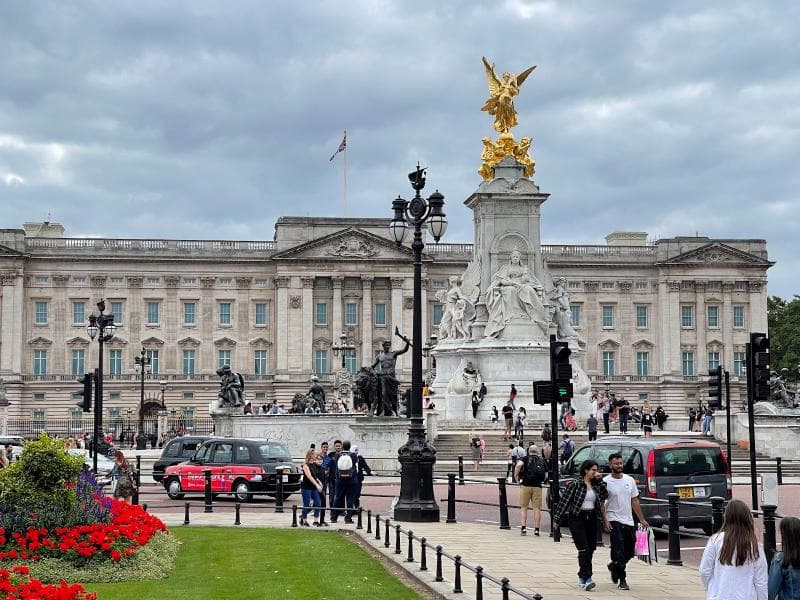

Explore The Grand Staircase at Buckingham Palace, London, United Kingdom. Discover its opulent history, stunning architecture, and royal significance.
Overview
The Grand Staircase at Buckingham Palace is more than just a means to move between floors; it is a magnificent gateway to the opulent State Rooms, serving as a powerful symbol of British monarchy and regal splendor. Located within the iconic Buckingham Palace in London, United Kingdom, this architectural marvel provides a dramatic welcome to thousands of visitors each year and is an integral part of the palace's ceremonial heart. Its sweeping design and rich decorations immediately set a tone of grandeur and anticipation for the royal treasures that lie beyond.
History & Cultural Background
The history of The Grand Staircase traces back to the early 19th century, evolving with Buckingham Palace itself. While an original staircase existed, its current, more elaborate design largely stems from the extensive remodeling efforts commissioned by King George IV. The renowned architect John Nash, known for his theatrical inspirations, was instrumental in its creation between 1825 and 1830, intending it to impress distinguished guests and create a sense of excitement for the ensuing State Rooms. The staircase was further refined and enlarged to its present design in the mid-19th century by Sir Charles Barry, who was also responsible for much of the palace's overall architecture. Later, during the reign of King Edward VII, redecoration saw a white and gold theme applied to the Grand Staircase, contributing to its lasting majestic appearance. Throughout its history, it has been central to state occasions, royal events, and has borne witness to the changing tides of the British monarchy.
What Makes It Special
The Grand Staircase is celebrated for its exquisite detailing and lavish materials. It is primarily constructed from Portland stone, providing a solid foundation for its intricate artistry. The focal point is undoubtedly the magnificent wrought iron and gilt bronze balustrade, adorned with motifs inspired by classical mythology, including cherubs, lions, and dolphins, showcasing exceptional craftsmanship. The walls are sumptuously covered in crimson damask, punctuated by gilded columns and large, ornate mirrors that reflect the light and amplify the sense of space and luxury. Above, the ceiling boasts allegorical frescoes painted by James Thornhill, the same artist responsible for ceiling paintings in St. Paul's Cathedral, depicting figures representing Great Britain, Africa, Asia, America, and Europe. Adding to its historical richness, the upper part of the staircase is lined with full-length portraits of Queen Victoria's immediate family, including her grandparents King George III and Queen Charlotte, her parents, and her uncle William IV, arranged there by Queen Victoria herself.
Stories, Fun Facts & Local Details
Beyond its architectural splendor, The Grand Staircase holds a special place in royal lore and public imagination. It has frequently served as a popular location for official royal photographs, capturing moments of historical significance and family celebrations. Its dramatic setting has also featured in various films and television shows, bringing a piece of royal grandeur to audiences worldwide. Each year, thousands of guests, totaling over 7,000, ascend these very steps to attend Investitures, receptions, and State Banquets in the State Apartments. This grand procession underscores its ongoing role in the pageantry and ceremony that define the British monarchy. During Queen Victoria's reign, the staircase was a vibrant backdrop to glittering court events, including grand balls and concerts, where distinguished guests, diplomats, and aristocracy would make their ascent.
Visitor Perspective
For many who visit Buckingham Palace, ascending The Grand Staircase marks one of their initial and most memorable views of the interior. It offers a truly dramatic welcome, providing a palpable sense of anticipation for the nineteen State Rooms that follow. As visitors make their way up, they are enveloped by the rich history and artistry, from the sweeping design and red carpet to the historic portraits and golden banisters. An audio guide, often provided with tickets, helps to enrich this experience, offering insights into the palace's heritage. The staircase is a key part of the public route through the State Rooms, typically open during the summer months and for selected guided tours at other times of the year, offering a unique opportunity to walk in the footsteps of royalty and experience the majestic beginning of a royal tour.
Coordinates: -0.14259, 51.5006
View on Google Maps💬 How Travelers Describe This Place
Based on community votes
Beautiful
826Must See
387Unique
242Photogenic
125Interesting
82
Traveler Stories
Discover memorable experiences shared by travelers who have visited this place.
No traveler stories yet.
Be the first traveler to share what made this place memorable.

Tour
By
Spot
Discover amazing places around the world. Your journey starts here.
Explore
© 2026 TourBySpot. All rights reserved.