The Elgin Marbles
London, United Kingdom
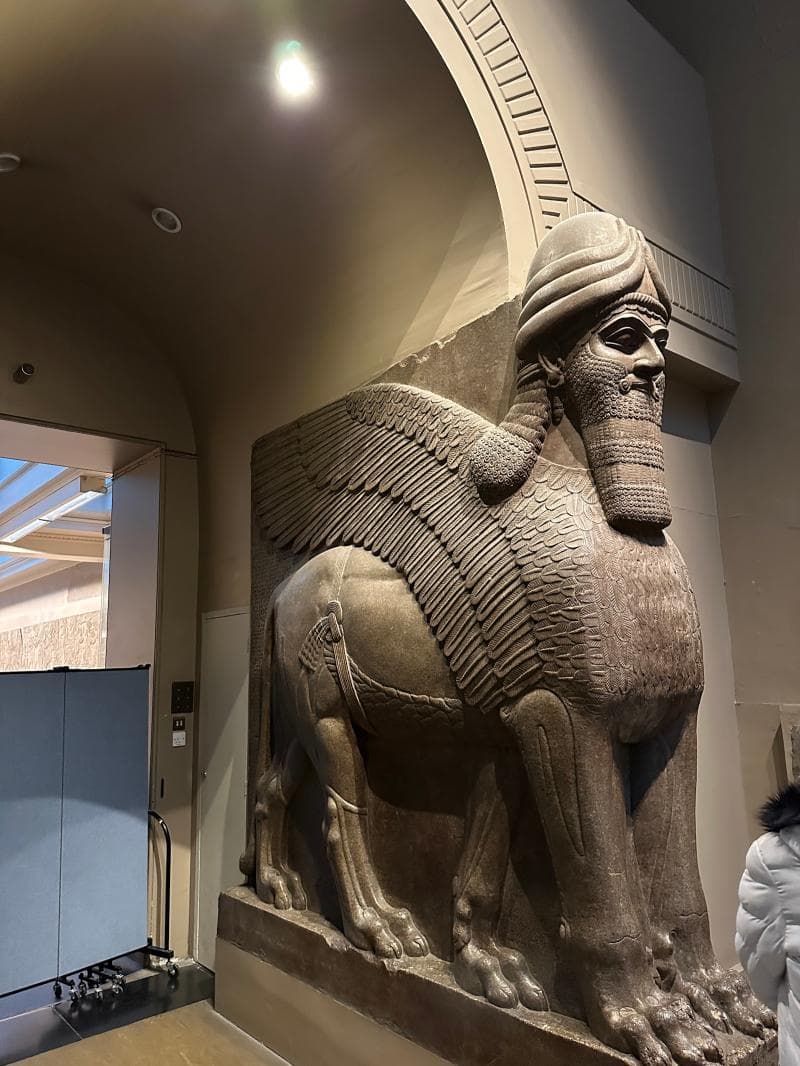

Explore the majestic Elgin Marbles, also known as the Parthenon Sculptures, a captivating collection of ancient Greek art at the British Museum in London, United Kingdom.
Overview
The Elgin Marbles, officially known by the British Museum as the Parthenon Sculptures, are a breathtaking collection of ancient Greek marble sculptures and architectural elements. These iconic pieces, dating from the 5th century BCE, originally adorned the Parthenon and other sacred structures on the Acropolis of Athens, Greece. Today, they constitute a central, albeit controversial, exhibit within the British Museum in London, United Kingdom. They are housed prominently in the dedicated Duveen Galleries, where visitors can marvel at their intricate details and monumental scale.
This magnificent collection includes significant portions of the Parthenon frieze, metopes, and pedimental sculptures, alongside elements from the Erechtheion and the Temple of Athena Nike. Considered among the finest examples of Classical Greek art, their presence in London sparks continuous debate and discussion about cultural heritage and ownership.
History & Cultural Background
The Parthenon, dedicated to the goddess Athena, was constructed between 447 and 432 BCE, serving as the crowning glory of ancient Athens. The sculptures, created under the supervision of the renowned sculptor Phidias, embody the artistic and intellectual zenith of the Athenian Golden Age.
The story of the Marbles' journey to London begins in the early 19th century. Thomas Bruce, the 7th Earl of Elgin, then the British Ambassador to the Ottoman Empire (which ruled Greece at the time), undertook their removal between 1801 and 1812. Lord Elgin stated his motivations included a desire to protect the sculptures from further damage and decay, claiming to have obtained permission from the Ottoman authorities.
Upon their arrival in Britain, the sculptures were met with both admiration and controversy. Despite initial criticism from figures like Lord Byron, a British parliamentary inquiry in 1816 deemed Elgin's acquisition legal. The British government then purchased the collection from Elgin for £35,000 and transferred ownership to the British Museum, where they have been a permanent fixture ever since.
What Makes It Special
The Elgin Marbles are special not just for their immense artistic quality but also for the powerful narrative they convey. The Parthenon frieze, a continuous band of low-relief sculpture, is a masterwork depicting the Panathenaic procession – a grand religious festival held every four years in honour of Athena. It features a vibrant cavalcade of 378 human and divine figures, alongside more than 220 animals, predominantly horses, stretching over 160 meters.
These sculptures offer an unparalleled glimpse into the religious, civic, and artistic life of ancient Athens. Each intricately carved figure, from the serene gods to the dynamic cavalrymen, tells a part of this ancient story, showcasing the exceptional skill and aesthetic principles of Phidias' workshop. They represent the ideals of Athenian democracy and its cultural achievements, making them invaluable for understanding the foundations of Western civilization.
Stories, Fun Facts & Local Details
One of the most compelling aspects of the Elgin Marbles is the ongoing, passionate debate surrounding their ownership and potential repatriation to Greece. Since Greece's independence from the Ottoman Empire, and formally since 1983, the Greek government has consistently called for the reunification of the sculptures with the remaining pieces in Athens.
This dispute raises fundamental questions about cultural heritage, colonial-era acquisitions, and the role of universal museums. Greece asserts the Marbles are an integral part of its national identity and should be displayed in their historical context, specifically within the modern Acropolis Museum, built with this purpose in mind.
A lesser-known detail involves the controversial cleaning methods applied to some of the sculptures in the British Museum in the late 1930s. Attempts to remove discolouration caused by London's industrial pollution led to some irreversible damage, a point often cited in the repatriation debate.
Visitor Perspective
Visiting the Elgin Marbles at the British Museum offers a unique opportunity to stand before masterpieces that have witnessed millennia of history. Housed in the magnificent Duveen Galleries, the scale and artistry of the sculptures are truly awe-inspiring. You can trace the Panathenaic procession along the frieze, observe the dramatic scenes depicted on the metopes, and study the majestic pedimental figures that once crowned the Parthenon.
While admiring these ancient treasures, it's impossible to ignore the weight of their contested history. Many visitors find themselves contemplating the complex ethical questions surrounding their presence in London, adding another layer of depth to the experience. The display at the British Museum encourages reflection on the Marbles' journey, their artistic significance, and their enduring cultural impact on both Greece and the world. It's a journey into the heart of classical antiquity, framed by one of the world's greatest museums.
Coordinates: -0.126944, 51.519444
View on Google Maps💬 How Travelers Describe This Place
Based on community votes
Must See
931Interesting
670Unique
655Beautiful
266Photogenic
166
Traveler Stories
Discover memorable experiences shared by travelers who have visited this place.
No traveler stories yet.
Be the first traveler to share what made this place memorable.

Tour
By
Spot
Discover amazing places around the world. Your journey starts here.
Explore
© 2026 TourBySpot. All rights reserved.