The Dome of the Pantocrator
Istanbul, Turkey
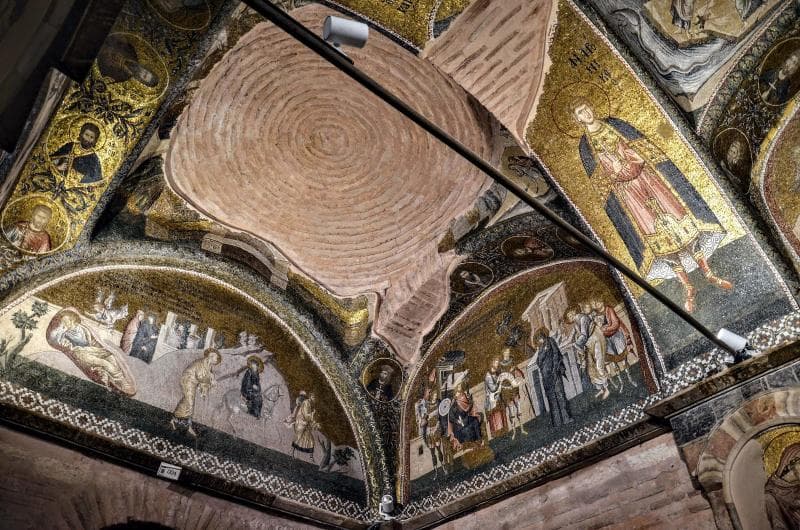
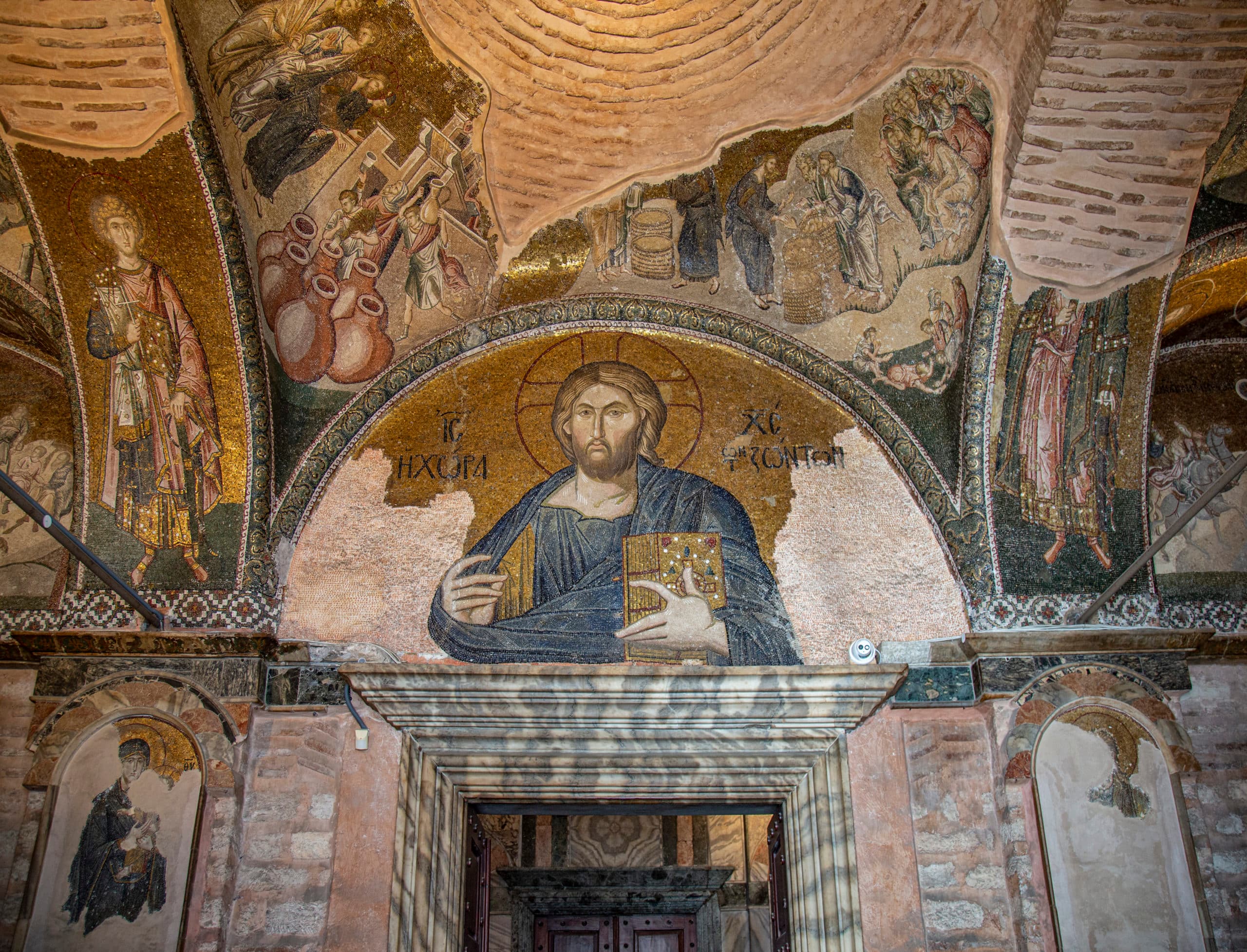
Discover The Dome of the Pantocrator mosaic within Istanbul's Chora Church (Kariye Mosque), a masterpiece of Byzantine art and history.
Overview
Step into a realm where Byzantine artistry shines with unparalleled brilliance at the Chora Church, now known as Kariye Mosque, in Istanbul, Turkey. While the entire edifice is a treasure trove of mosaics and frescoes, 'The Dome of the Pantocrator' stands as a particularly captivating highlight. This mosaic, depicting Christ as the Almighty Ruler, is an exquisite example of Late Byzantine art, renowned for its vivid detail and profound spiritual expression. Located within the inner narthex, it offers visitors a glimpse into the sophisticated theological and artistic landscape of the 14th century, leaving an indelible impression on those who gaze upon its golden tesserae. The Chora Church, often referred to as the 'Sistine Chapel of Istanbul,' has a layered history, transitioning from a Byzantine church to an Ottoman mosque, then a museum, and most recently, returning to its status as a mosque.
History & Cultural Background
The origins of the Chora Church, or Kariye Mosque, stretch back to the early 4th century, initially built as part of a monastery complex outside the city walls of Constantinople. Its name, 'Chora,' which means 'in the countryside' or 'land,' reflected its original location beyond the city's boundaries. The current structure largely dates from the 11th and, most significantly, the 14th centuries. The church underwent a major reconstruction between 1315 and 1321 under the patronage of Theodore Metochites, a prominent statesman and scholar of the Byzantine Empire. Metochites invested his immense wealth into transforming Chora, adorning its interior with the breathtaking mosaics and frescoes that survive today. These artworks represent a pinnacle of Late Byzantine art, celebrated for their expressive figures and vibrant colors. Following the Ottoman conquest of Constantinople in the 15th century, the church was converted into a mosque, known as Kariye Camii. During this period, its Christian imagery was covered with plaster, a practice that inadvertently protected these masterpieces for centuries. In 1945, it became a national monument and later reopened as the Kariye Museum in 1958 after extensive restoration work uncovered the original Byzantine art. In 2020, its status was reverted to a mosque, reopening to visitors in May 2024 after further restorations.
What Makes It Special
What sets Chora Church apart, and specifically 'The Dome of the Pantocrator,' is the exceptional quality and emotional depth of its Byzantine mosaics. Unlike earlier, more formal Byzantine art, the 14th-century works at Chora exhibit a newfound fluidity, naturalism, and emotional intensity that some scholars suggest foreshadowed the Italian Renaissance. The Dome of the Pantocrator mosaic typically portrays Christ as the 'All-Ruler,' a powerful and majestic figure, often holding the New Testament and offering a blessing. This specific dome, found in the inner narthex, is part of a series of narrative mosaics that tell stories from the lives of Christ and the Virgin Mary, effectively creating a 'gilded storybook' across the church's surfaces. The intricate composition and the use of shimmering gold tesserae capture and reflect light, giving the images a dynamic and ethereal quality. The placement of the Pantocrator in a dome reinforces the celestial nature of the figure, drawing the viewer's gaze upwards into the heavens.
Stories, Fun Facts & Local Details
The name 'Chora' itself holds a dual meaning. While geographically referring to its location 'in the countryside' outside the city walls, Byzantine artists imbued it with mystical significance. In the shimmering mosaics of the narthex, Christ is depicted as 'the Land of the Living,' and the Virgin Mary as 'the Container of the Uncontainable,' playing on the word 'chora' to represent profound theological concepts. The very act of covering the mosaics with plaster during its mosque conversion is a fascinating historical detail; this decision, instead of destruction, preserved the artworks in remarkable condition, allowing us to admire them today in their near-original splendor. Theodore Metochites, the patron behind the 14th-century artistic zenith, was not just a wealthy dignitary but also a scholar and art enthusiast who personally directed the intricate decorative programs. His tomb is also found within the church's funerary chapel, the parecclesion, indicating his deep personal connection to this sacred space.
Visitor Perspective
Today, the Chora Church, as Kariye Mosque, is open to visitors in Istanbul. After extensive restoration, it officially reopened in May 2024. As an active place of worship, certain considerations apply to visitors. There is an entrance fee, which is around 20 EUR. It's advisable to check current opening hours, generally from 9:00 to 18:00, but tourist entry may be paused briefly during the five daily prayer times, especially on Fridays. While the mosaics and frescoes in the main prayer hall (naos) might be covered by retractable curtains during prayer, the breathtaking narrative mosaics in the outer and inner narthexes, including 'The Dome of the Pantocrator,' and the frescoes in the parecclesion, generally remain uncovered and accessible. Visitors are encouraged to dress modestly and respect the sanctity of the site. Photography is usually allowed for personal use, but flash and tripods are often prohibited. To fully appreciate the intricate stories and symbolism, considering a guide or an audio guide is highly recommended.
Coordinates: 28.939046, 41.031168
View on Google Maps💬 How Travelers Describe This Place
Based on community votes
Must See
491Photogenic
443Beautiful
414Interesting
310Unique
277
Traveler Stories
Discover memorable experiences shared by travelers who have visited this place.
No traveler stories yet.
Be the first traveler to share what made this place memorable.

Tour
By
Spot
Discover amazing places around the world. Your journey starts here.
Explore
© 2026 TourBySpot. All rights reserved.