The Demon Guardians
Bangkok, Thailand
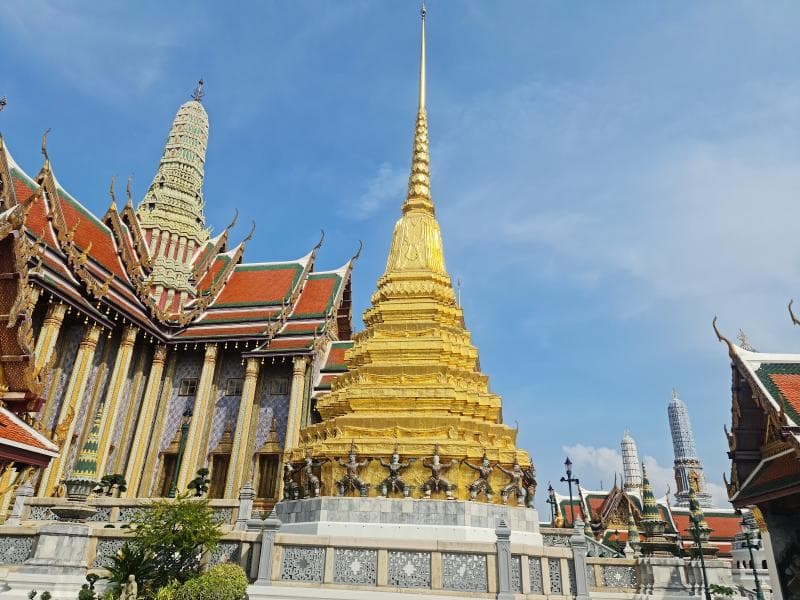
Discover The Demon Guardians (Yakshas) at Bangkok's Grand Palace, Thailand. Learn about these mythical protectors from the Ramakien epic and their cultural significance.
Overview
Deep within the revered grounds of the Grand Palace in Bangkok, Thailand, stand imposing figures known as 'The Demon Guardians' or Yakshas. These mythical giants are an iconic sight, instantly recognizable by their vibrant colors, fierce expressions, and colossal stature. They serve as vigilant protectors of Thailand's most sacred temple, Wat Phra Kaew, also known as the Temple of the Emerald Buddha, and other significant structures within the palace complex. Encountering these guardians is an essential part of the Grand Palace experience, offering a powerful glimpse into Thai mythology and spiritual beliefs.
These guardians are not merely decorative; they embody centuries of cultural tradition and spiritual significance, safeguarding the precious relics and revered spaces of the royal temple. Their presence reinforces the sanctity of the grounds, creating an aura of both majesty and ancient protection for all who enter.
History & Cultural Background
The origin of the Demon Guardians is deeply rooted in the Hindu-Buddhist epic of the Ramakien, the Thai national epic, which is an adaptation of the Indian Ramayana. In this epic, the Yakshas are powerful, often benevolent, nature spirits or demigods, though some are depicted as formidable demons. The guardians at the Grand Palace specifically represent characters from this epic, serving as symbolic protectors.
The tradition of depicting Yakshas as temple guardians dates back centuries in Southeast Asia, with their origins as gatekeepers of Buddhist temples commonly seen from the 14th century. The Grand Palace itself was established in 1782 by King Rama I, the founder of the Chakri dynasty, when he moved the capital to Bangkok. As the palace and the Temple of the Emerald Buddha complex developed, these guardian figures were meticulously crafted and strategically placed to uphold their protective role in the new royal and spiritual heart of Thailand.
What Makes It Special
What truly sets 'The Demon Guardians' apart is their breathtaking artistry and dramatic presence. Each statue is a masterpiece of Thai craftsmanship, characterized by intricate detailing, vibrant ceramic and glass mosaics, and rich, symbolic colors. They are often depicted with bulging eyes, prominent fangs, and elaborate, jeweled headgear, conveying a sense of immense power and unwavering devotion.
Standing approximately 16 feet tall, these colossal figures are strategically positioned at various entrances and around significant buildings like the Phra Mondop (the royal library) and the golden chedis. Their sheer size and detailed ornamentation make them incredibly striking. They serve as a visual narrative, bringing the ancient tales of the Ramakien to life and providing a tangible link to Thailand's rich mythological heritage.
Stories, Fun Facts & Local Details
Among the most famous of these guardians are Thotsakan (Ravana), often depicted with a green face, and Sahatsadecha, typically portrayed with a white face. These are key antagonists from the Ramakien epic, yet here they stand transformed into guardians of sacred space. The epic tells the story of King Rama's quest to rescue his abducted wife, Queen Sita, from the demon king Thotsakan, with the aid of a monkey army. Their presence at the palace gate symbolizes the triumph of good over evil and eternal vigilance.
A fun fact showing their deep cultural integration is their appearance not only in ancient temples but also in modern Thai landmarks. For instance, giant Yaksha statues also guard the entrances of Suvarnabhumi Airport in Bangkok, underscoring their enduring role as symbols of protection and national identity in contemporary Thailand.
Visitor Perspective
For visitors, encountering 'The Demon Guardians' is an awe-inspiring experience. Their formidable yet artistic presence immediately captures attention upon entering the Temple of the Emerald Buddha's court. Standing before these towering figures, one can't help but feel a sense of reverence and wonder at the intricate details of their costumes and expressions. They provide a powerful introduction to the spiritual and mythological landscape of Thailand.
Observing the guardians allows travelers to connect with the storytelling tradition of the Ramakien in a tangible way, understanding their symbolic role as protectors of peace and sacred knowledge. It's a moment to appreciate the enduring artistry and deep cultural meaning embedded in every corner of the Grand Palace, inviting contemplation on the spiritual forces believed to safeguard this magnificent site. Visitors are encouraged to admire them respectfully, acknowledging their cultural and religious importance.
Coordinates: 100.492, 13.7501
View on Google Maps💬 How Travelers Describe This Place
Based on community votes
Unique
847Beautiful
685Interesting
513Photogenic
482Must See
433
Traveler Stories
Discover memorable experiences shared by travelers who have visited this place.
No traveler stories yet.
Be the first traveler to share what made this place memorable.

Tour
By
Spot
Discover amazing places around the world. Your journey starts here.
Explore
© 2026 TourBySpot. All rights reserved.