The Coronation Chair
London, United Kingdom
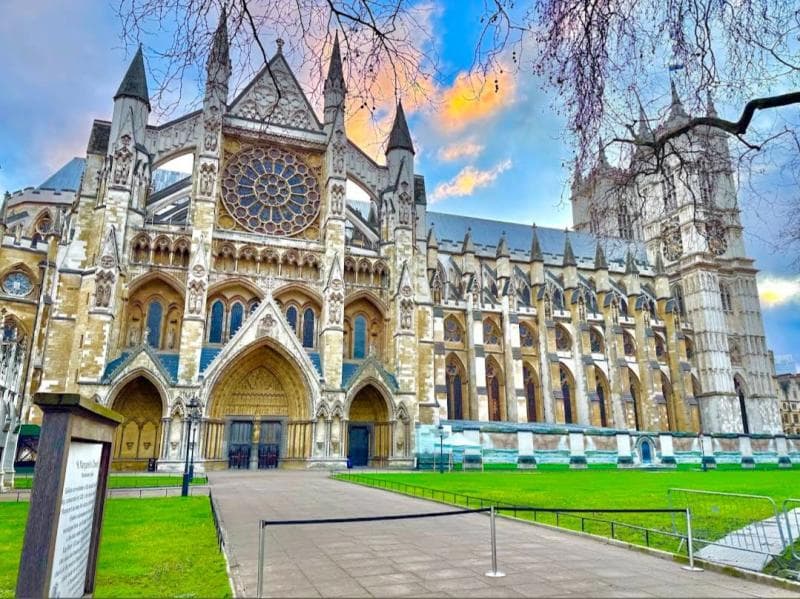

Discover the historic Coronation Chair at Westminster Abbey in London, United Kingdom. Learn about its 700-year history, connection to the Stone of Scone, and unique stories.
Overview
Deep within the historic walls of Westminster Abbey in London, United Kingdom, lies a humble yet profoundly significant artifact: the Coronation Chair. Also known as St. Edward's Chair or King Edward's Chair, this ancient wooden seat has been the focal point of British coronations for over seven centuries. It is not merely a piece of furniture, but a living testament to an unbroken line of monarchs, witnessing the anointing and crowning of nearly every English and later British sovereign since the early 14th century. Commissioned by King Edward I, its purpose was initially to house a legendary symbol of sovereignty, the Stone of Scone, making it a unique and enduring relic of royal history.
History & Cultural Background
The story of the Coronation Chair begins in the late 13th century, following King Edward I's campaign in Scotland. In 1296, Edward I brought the Stone of Scone, an ancient symbol of Scottish monarchy, to Westminster Abbey. To properly house this prized possession, he commissioned a magnificent oak chair between 1300 and 1301. The royal carpenter, Walter of Durham, was tasked with its creation. The chair was originally lavishly decorated with gilding, painted patterns of birds, foliage, and animals on a gilt ground, and even glass mosaics, traces of which are still visible today. While the exact date of its first use for a coronation is debated, it was certainly employed for the crowning of Henry IV in 1399, solidifying its role in the sacred ceremony.
For centuries, the Stone of Scone remained nestled beneath the chair's seat, a powerful symbol of the union, or indeed conquest, of the two kingdoms. However, in 1996, the Stone was officially returned to Scotland, with the understanding that it would be brought back to Westminster Abbey for future coronations. This agreement was honored during the coronation of King Charles III in 2023, when the Stone was once again reunited with its historic housing for the ceremony.
What Makes It Special
What truly elevates the Coronation Chair beyond a mere museum piece is its unparalleled and continuous function. It is the oldest piece of furniture in the United Kingdom still used for its original purpose. This chair has provided the seat for 26 monarchs at their coronations, making it a tangible link across more than 700 years of British royal history. From the Plantagenets to the Windsors, each sovereign who has sat upon it has participated in a tradition stretching back through time, affirming their connection to those who reigned before them. Its presence during the anointing, investiture, and crowning ceremonies imbues it with immense symbolic power, representing the enduring heritage and continuity of the British Crown. Even Oliver Cromwell, during the Commonwealth period, chose to be installed as Lord Protector on this very chair, underscoring its inherent authority.
Stories, Fun Facts & Local Details
The Coronation Chair bears the fascinating marks of its extensive history and the hands that have touched it. Look closely, and you might spot graffiti carved into its ancient oak. These are not modern vandalism but rather inscriptions left by Westminster schoolboys and visitors in the 18th and 19th centuries, a quirky relic of a time when access was less restricted. The four gilt lions that support the chair's base today were added in 1727, replacing earlier versions from the 16th century. The chair has also faced its share of peril; it suffered minor damage during a bomb attack in 1914, believed to have been carried out by suffragettes. During the Second World War, it was carefully evacuated from London to Gloucester Cathedral for safekeeping, protecting it from potential damage during the Blitz. One particularly dramatic event occurred on Christmas Day in 1950 when Scottish Nationalists briefly stole the Stone of Scone, though it was recovered in time for Queen Elizabeth II's coronation.
Visitor Perspective
Today, the Coronation Chair is usually displayed in St. George's Chapel within Westminster Abbey. While photography inside the Abbey often has restrictions, visitors can typically view this remarkable artifact, contemplating the centuries of history it represents. Occasionally, the chair may be moved for conservation work or special events, so it is advisable to check the Abbey's official visitor information before planning your visit to ensure its display. Seeing the chair in person offers a unique opportunity to connect with an object that has played a central role in some of the most significant moments in British royal history.
Coordinates: -0.1275, 51.49944
View on Google Maps💬 How Travelers Describe This Place
Based on community votes
Photogenic
692Beautiful
674Must See
503Interesting
261Unique
49
Traveler Stories
Discover memorable experiences shared by travelers who have visited this place.
No traveler stories yet.
Be the first traveler to share what made this place memorable.

Tour
By
Spot
Discover amazing places around the world. Your journey starts here.
Explore
© 2026 TourBySpot. All rights reserved.