The Bow Bridge
New York, United States
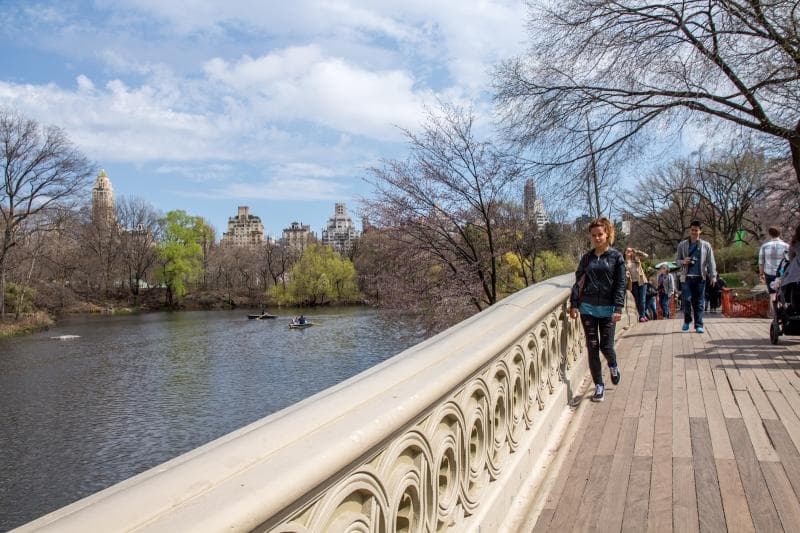

Discover The Bow Bridge, a romantic and iconic cast-iron masterpiece in Central Park, New York, United States. Explore its history, unique design, and cinematic fame.
Overview
Nestled within the verdant embrace of Central Park in New York City, The Bow Bridge stands as an enduring symbol of romance and architectural elegance. This iconic cast-iron bridge gracefully arches over The Lake, connecting the serene landscape of Cherry Hill with the wilder, winding paths of The Ramble. At 87 feet long, it is one of the longest bridges in the park and renowned for its distinctive design, earning its name from its elegant, bow-like curve. More than just a utilitarian crossing, The Bow Bridge offers picturesque vistas, making it a favored spot for photographers, filmmakers, and anyone seeking a moment of tranquility amidst the urban bustle.
History & Cultural Background
The story of The Bow Bridge begins in the mid-19th century as Central Park itself took shape. Designed by the park's co-creator Calvert Vaux, with the assistance of Jacob Wrey Mould, the bridge was completed in 1862. It represents a key element of Frederick Law Olmsted and Vaux's visionary plan for Central Park, which aimed to create a harmonious blend of nature and architecture while ingeniously separating the different modes of transportation – pedestrians, horse riders, and carriages – through a system of bridges and arches. The use of cast iron for The Bow Bridge was a significant departure from the stone preferred for many other park structures, making it one of the earliest cast-iron bridges in America, and indeed, the second oldest cast-iron bridge in the United States. The ironwork itself was masterfully crafted by Janes, Kirtland & Co., a Bronx-based foundry that also held the prestigious contract for constructing the dome of the U.S. Capitol Building. Over the decades, The Bow Bridge has undergone restoration, notably in 1974, to preserve its original beauty and structural integrity.
What Makes It Special
What truly sets The Bow Bridge apart is its remarkable aesthetic and careful integration into the landscape. Its graceful, low-lying arch, resembling an archer's or violinist's bow, was deliberately designed to stand out, unlike some of the park's more inconspicuous bridges. The bridge's Victorian-era design incorporates elements of Classical Greek refinement, adorned with intricate, interlaced pierced ornamentation. Look closely, and you'll find a distinctive banister featuring interlocking circles, complemented by eight elegant planting urns atop decorative bas-relief panels. The walkway itself is constructed of ipe, a durable South American hardwood that famously develops a deep red hue when wet. This attention to detail, from its classical influences to its unique material choices, positions The Bow Bridge as a masterpiece of Victorian design and a testament to the collaborative genius of Vaux and Mould. Its purposeful design ensures that it not only serves as a passage but also as a destination in its own right, offering breathtaking perspectives of the surrounding park scenery.
Stories, Fun Facts & Local Details
The Bow Bridge holds a special place in the hearts of New Yorkers and visitors alike, thanks to its captivating beauty and romantic allure. It has earned a reputation as one of the most romantic spots in New York City, frequently serving as the backdrop for countless wedding proposals, intimate strolls, and first dates. Beyond personal memories, the bridge boasts an impressive cinematic history, appearing in a multitude of films and television shows. Its graceful form has graced the silver screen in productions such as 'Highlander,' 'Spiderman 3' (famously hosting a proposal scene), 'Autumn in New York,' 'Keeping the Faith,' 'Uptown Girls,' 'You've Got Mail,' 'Enchanted,' 'Made of Honor,' and 'Friends with Benefits,' cementing its status as an iconic New York City landmark. A fascinating historical detail reveals that the bridge was originally painted white, intended to create a striking contrast against the park's lush greenery. The engineering challenges of its construction also led to innovative solutions, such as raising the northern abutment to account for the lake's varying bank heights.
Visitor Perspective
For the curious traveler, a visit to The Bow Bridge is an essential Central Park experience. Approaching the bridge, whether from the winding paths of The Ramble or the more open expanse near Cherry Hill, offers a gradual reveal of its elegant structure. Stepping onto its hardwood walkway, visitors are immediately treated to expansive views across The Lake. To the south, one can admire the grandeur of Bethesda Terrace and Fountain, a classic Central Park postcard vista, often reflecting in the calm waters below. To the west, the dense, woodland landscape of The Ramble unfolds, a haven for birdwatchers and those seeking a deeper immersion in nature. Rowboats from the nearby Loeb Boathouse frequently glide beneath the arch, adding a charming, moving element to the scenery. The bridge is ideally situated mid-park, easily accessible from the 72nd Street entrances, and its proximity to other significant landmarks like Bethesda Terrace and the Loeb Boathouse makes it a natural stop on any Central Park exploration. Regardless of the season, The Bow Bridge provides a serene and picturesque setting, encouraging visitors to slow down, absorb the beauty, and perhaps even capture their own romantic moment.
Coordinates: -73.971833, 40.77583
View on Google Maps💬 How Travelers Describe This Place
Based on community votes
Must See
915Unique
873Photogenic
477Interesting
422Beautiful
53
Traveler Stories
Discover memorable experiences shared by travelers who have visited this place.
No traveler stories yet.
Be the first traveler to share what made this place memorable.

Tour
By
Spot
Discover amazing places around the world. Your journey starts here.
Explore
© 2026 TourBySpot. All rights reserved.