The Ballroom
London, United Kingdom
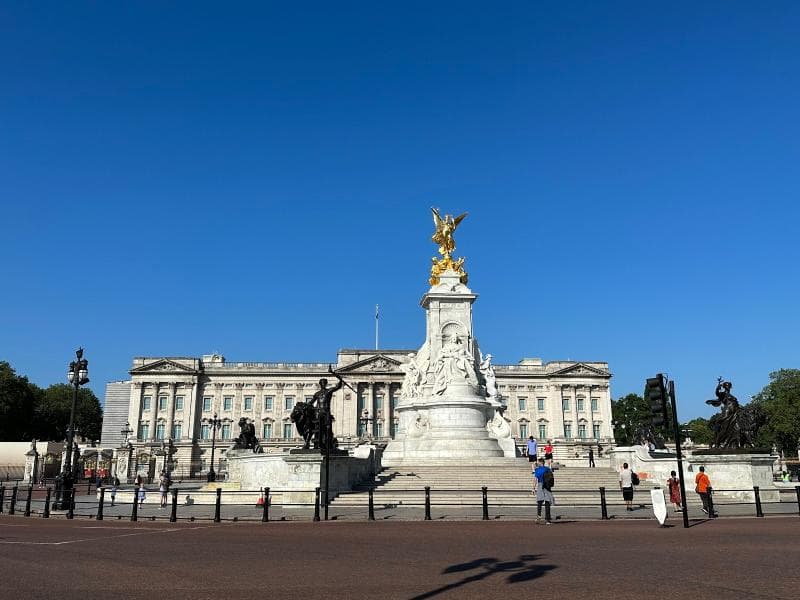

Explore The Ballroom at Buckingham Palace, London, United Kingdom – the largest State Room hosting historic royal events and state banquets.
Overview
The Ballroom within Buckingham Palace in London, United Kingdom, stands as the largest and most grand of the Palace's State Rooms. It is a venue of immense historical and cultural significance, central to the ceremonial life of the British Monarchy. Measuring approximately 36.6 meters (120 feet) long, 18 meters (60 feet) wide, and 13.5 meters (45 feet) high, this magnificent space is renowned for its opulent design and its role as the setting for numerous royal and state occasions. Since its completion in the mid-19th century, The Ballroom has played host to a wide array of events, from lavish banquets and concerts to significant investitures and diplomatic receptions, embodying the grandeur and enduring traditions of the British monarchy.
Originally known as the Ball and Concert Room, it was designed with both practical functionality and aesthetic splendor in mind, providing ample space for large gatherings and elaborate events. Today, when Buckingham Palace opens its doors to the public during the summer, The Ballroom is a key highlight, offering visitors a rare glimpse into the ceremonial heart of one of the world's most famous working palaces.
History & Cultural Background
The Ballroom was a significant addition to Buckingham Palace during the reign of Queen Victoria and Prince Albert. Constructed between 1853 and 1855, and officially opened in 1856, its creation marked a period of expansion and modernization for the royal residence. The architect responsible for its design was Sir James Pennethorne, who conceived the room in a fashionable Italianate style, drawing inspiration from the Renaissance palaces of Rome and Florence.
Its inauguration in 1856 was a celebratory event, marking the end of the Crimean War. Queen Victoria and Prince Albert, both keen patrons of the arts, desired a grand space capable of accommodating large-scale concerts, balls, and theatrical performances, as well as the fashionable wide crinoline petticoats of the era. Prince Albert himself oversaw aspects of its decoration, commissioning artists like Ludwig Gruner and Nicola Consoni. Later, in 1907, under the direction of King Edward VII, The Ballroom underwent a redecoration, adopting a Belle Époque cream and gold color scheme that remains largely evident today.
What Makes It Special
The Ballroom's sheer scale and opulent decoration immediately set it apart. It is an architectural marvel, featuring a rhythmic series of pilasters, a sculpted frieze, and an expansive barrel-vaulted ceiling. The ceiling is adorned with painted panels depicting scenes from classical mythology, adding to its majestic aura. One of its most striking features is the imposing Throne Canopy located at one end, which houses the thrones used by monarchs for significant events. Above this canopy, a dramatic fresco depicting St. George vanquishing the dragon can be seen, while other frescos, attributed to William Kent, illustrate the victories of Arts and Sciences over Ignorance.
Beyond its visual splendor, The Ballroom is special for its multifaceted utility. It features a musicians' gallery, complete with a large organ that was moved from George IV's Brighton Pavilion, indicating its original purpose as a space for elaborate musical performances and dancing. The meticulously crafted parquet flooring contributes to the room's grandeur and elegance. Every element, from the architecture to the artwork and furniture, is thoughtfully curated, ensuring that The Ballroom remains a testament to timeless elegance and royal sophistication.
Stories, Fun Facts & Local Details
The Ballroom has been witness to some of the most memorable moments in modern British history. It famously hosted the reception for The Beatles in 1965, a rare and iconic interaction between rock and royalty. Another significant event was the wedding reception of Prince Charles and Lady Diana Spencer in 1981, a globally televised spectacle. These events underscore the room's adaptability and its continued relevance in the public eye.
During Queen Victoria's reign, The Ballroom was the setting for magnificent costume balls, including the Plantagenet Ball where Victoria and Albert appeared as Queen Philippa and Edward III, and the Stuart Ball, transporting guests back to the late seventeenth century. The preparation for State Banquets in The Ballroom is a fascinating and elaborate process, involving immense precision. For these events, a horseshoe-shaped table is set to accommodate approximately 170 guests, adorned with over a thousand pieces of the finest porcelain, glassware, and silver-gilt from the Royal Collection, alongside 23 luxurious flower arrangements. Footmen, wearing special slippers, meticulously arrange place settings, ensuring each guest has a precise 46 cm space, with heated plates and personalized menu cards. This level of detail highlights the ceremonial importance of events held within this grand space.
Visitor Perspective
For visitors to Buckingham Palace, experiencing The Ballroom is often a highlight of the State Rooms tour. It provides a tangible connection to centuries of royal history and diplomacy. As the largest State Room, it offers a powerful sense of the scale and grandeur required for the monarchy's official duties. During the summer opening, guests can walk through the very space where kings and queens have hosted world leaders and celebrated national achievements.
While photography is generally not permitted inside the Palace, the sheer visual impact of The Ballroom, with its immense size and intricate detailing, leaves a lasting impression. Imagining the countless banquets, investitures, and concerts that have taken place within these walls allows one to connect with the living history of the British Royal Family. It is a room that truly encapsulates the enduring legacy and ceremonial heart of Buckingham Palace.
Coordinates: -0.1419, 51.5014
View on Google Maps💬 How Travelers Describe This Place
Based on community votes
Photogenic
836Interesting
620Beautiful
594Must See
166Unique
83
Traveler Stories
Discover memorable experiences shared by travelers who have visited this place.
No traveler stories yet.
Be the first traveler to share what made this place memorable.

Tour
By
Spot
Discover amazing places around the world. Your journey starts here.
Explore
© 2026 TourBySpot. All rights reserved.