The Angry Boy Statue
Oslo, Norway
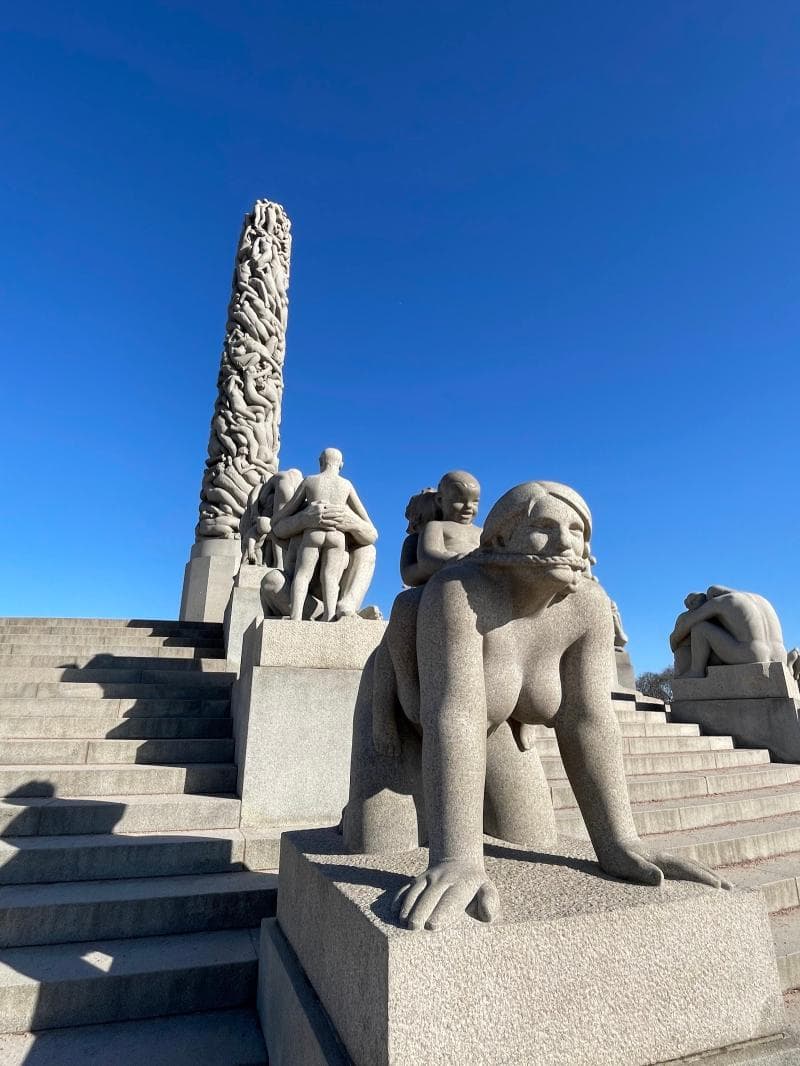
Explore 'The Angry Boy' statue (Sinnataggen) in Vigeland Sculpture Park, Oslo, Norway. Discover its history, emotional depth, and why this iconic bronze figure remains a beloved symbol.
Overview
Deep within the expansive Vigeland Sculpture Park in Oslo, Norway, stands a small bronze figure that captures a powerful, universally understood emotion: 'The Angry Boy', or 'Sinnataggen' as he is known in Norwegian. This iconic sculpture, created by the renowned Norwegian artist Gustav Vigeland, has become one of Oslo's most beloved and recognizable landmarks. While the broader Vigeland Park showcases over 200 of Vigeland's works depicting the human life cycle, it is this defiant little boy on the Bridge who often steals the spotlight, embodying raw, untamed emotion in a way that resonates with visitors from across the globe.
Situated on 'The Bridge' (Broen), which itself features 58 bronze sculptures, 'The Angry Boy' is a central piece within a larger narrative of human experience. The park itself is a testament to Gustav Vigeland’s life’s work, featuring sculptures in bronze, granite, and cast iron, all meticulously arranged within a landscape he also designed. Free to enter and open year-round, Vigeland Sculpture Park offers a unique blend of art, nature, and profound human introspection, with 'The Angry Boy' serving as a poignant focal point.
History & Cultural Background
The journey of 'The Angry Boy' began in 1901 when Gustav Vigeland, during a study trip through Europe, sketched an early idea for what would become this famous figure. Originally conceived as a niche figure for 'The Fountain' within the park, the first small sculpture of the screaming boy was created in 1911. Vigeland had plans to adorn the fountain with numerous small sculptures, though these particular plans for 'The Angry Boy' in that specific location never fully materialized.
A larger, bronze version of the sculpture was cast in 1928, and it found its permanent home on the Bridge in Vigeland Park in 1940. Gustav Vigeland, a master at capturing human emotions, modeled the sculptures for the Bridge between 1925 and 1933. The name 'Sinnataggen' was not given by Vigeland himself, but rather emerged later, likely popularized by a journalist in 1930. This speaks to Vigeland's approach, as he rarely titled his works, preferring to allow for freer interpretation by the viewer.
What Makes It Special
'The Angry Boy' stands out among the hundreds of sculptures in Vigeland Park for its immediate and intense emotional appeal. Depicting a naked, chubby child, fists clenched, right leg raised, and mouth open in a furious scream, the sculpture vividly portrays a universal moment of childhood rage. This raw and unfiltered display of anger, defiance, and frustration is instantly recognizable to anyone who has been a child or observed one.
Gustav Vigeland's ability to imbue the bronze with such palpable emotion makes 'Sinnataggen' a powerful commentary on human nature. It represents an emotion that is both timeless and classless, reflecting a core human experience. The sculpture's placement on the Bridge, amidst figures representing various stages of life and emotions, highlights its role in portraying the full spectrum of human feeling, from joy and play to profound anger.
Stories, Fun Facts & Local Details
One of the most charming aspects of 'The Angry Boy' is its enduring popularity and the interaction it encourages from visitors. His left hand is noticeably shinier than the rest of his bronze body due to decades of visitors touching it for good luck or simply in a gesture of empathy and recognition. This constant interaction has made him a tangible, living piece of art.
While popular legend suggests Vigeland sculpted 'Sinnataggen' after witnessing a child's tantrum in the park, the truth is likely more prosaic, though the story certainly adds to his mystique. Norwegian author Roy Jacobsen offers an interpretation linking 'The Angry Boy' to the classical temperaments, positioning him as the choleric boy amidst melancholic, sanguine, and phlegmatic children on the Bridge, representing timeless rage and defiance. The statue has even been subject to acts of vandalism and theft attempts over the years, underscoring its significant cultural value and fame, with the city consistently restoring and protecting this beloved figure.
Visitor Perspective
For many visitors to Vigeland Sculpture Park, encountering 'The Angry Boy' is an unforgettable experience. His small size belies his enormous presence, drawing people in with his fierce vulnerability. It's common to see tourists mimicking his pose for photographs, further cementing his status as a cultural mascot for Oslo, much like Copenhagen's 'Little Mermaid' or Brussels' 'Manneken Pis'.
Walking across the Bridge and observing the array of human figures, 'The Angry Boy' offers a moment of intense connection. It's a reminder that even in a place celebrating life's grand journey, the powerful, sometimes messy, emotions of childhood hold a significant and relatable place. His depiction encourages visitors to reflect on their own experiences and the universal nature of human emotion, making him a compelling stop for any curious traveler exploring the artistry of Gustav Vigeland.
Coordinates: 10.703556, 59.926028
View on Google Maps💬 How Travelers Describe This Place
Based on community votes
Unique
836Interesting
797Photogenic
286Beautiful
255Must See
86
Traveler Stories
Discover memorable experiences shared by travelers who have visited this place.
No traveler stories yet.
Be the first traveler to share what made this place memorable.

Tour
By
Spot
Discover amazing places around the world. Your journey starts here.
Explore
© 2026 TourBySpot. All rights reserved.