Textile Exhibits
Baku, Azerbaijan
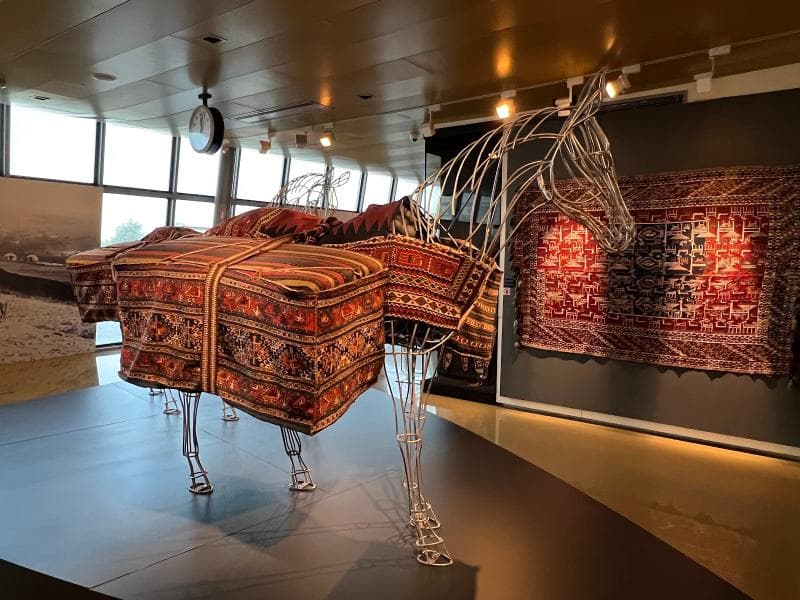
Explore the exquisite Textile Exhibits at the Azerbaijan Carpet Museum in Baku. Discover ancient Azerbaijani garments, embroidery, and woven arts.
Overview
Stepping into the Azerbaijan Carpet Museum in Baku is an immersion into a vibrant tapestry of culture and history. While the museum is renowned globally for its unparalleled collection of Azerbaijani carpets, it also holds a treasure trove dedicated to the broader world of 'Textile Exhibits'. This sub-spot offers a fascinating journey beyond just floor coverings, presenting a rich display of national garments, intricate embroidery, and other woven artifacts that speak volumes about Azerbaijan's artistic heritage. The museum building itself is a striking piece of modern architecture, designed to resemble a giant rolled carpet, gracefully unfurling along Baku's picturesque seaside boulevard. Established in 1967, the institution moved into this iconic new home in 2014, continuing its mission to preserve and showcase the ancient art of Azerbaijani weaving and textile craftsmanship. These textile exhibits, nestled within the larger narrative of carpet art, provide clear explanations and historical context for a curious traveler eager to understand the depth of this cultural expression.
History & Cultural Background
The art of textile production in Azerbaijan is deeply rooted in history, with archaeological evidence suggesting its practice dates back to the Bronze Age. This ancient craft has evolved over millennia, profoundly influencing the daily lives and cultural identity of the Azerbaijani people. In 2010, the traditional art of Azerbaijani carpet weaving, encompassing much of this textile heritage, earned a prestigious place on UNESCO's Representative List of the Intangible Cultural Heritage of Humanity, acknowledging its enduring significance.
Historically, textiles were not merely decorative; they were integral to survival and social custom. Early forms of textiles served practical purposes such as clothing, but also included items like saddlebags for travel, storage sacks for grain, tent dividers for nomadic communities, and elaborate cushion covers. As early as the 5th century BC, the Greek historian Herodotus noted the exceptional quality of fabrics woven in Azerbaijan, highlighting the local use of natural dyes from tree leaves to create durable and vibrant adornments. Over time, various regions of Azerbaijan, including Shamakhi, Ganja, Sheki, and Nakhchivan, became prominent centers for textile production, specializing in fine wool, cotton, and especially silk. These textiles collectively represent a harmonious blend of diverse cultural influences, reflecting Azerbaijan's rich multicultural and multi-confessional history.
What Makes It Special
The Textile Exhibits at the Azerbaijan Carpet Museum offer a unique window into the broader narrative of Azerbaijani artistry, extending beyond the renowned carpet collections. This dedicated section provides visitors with a chance to appreciate a wider spectrum of woven and decorative arts, including exquisite national costumes and finely crafted embroideries. What makes these exhibits particularly special is their ability to trace the evolution of Azerbaijani clothing and textile traditions across vast swathes of time, from ancient periods right through to the more recent past.
The displays illuminate the sophisticated use of various natural materials—such as wool, silk, and cotton—and the intricate dyeing techniques employed over centuries. Each piece showcases the exceptional skill and aesthetic sensibilities of Azerbaijani artisans, whether in the delicate stitches of embroidery or the meticulous construction of traditional garments. These exhibits are a testament to how textile art permeated everyday life, from utilitarian objects to ceremonial attire, encapsulating the artistic ingenuity and cultural identity of different Azerbaijani regions and eras.
Stories, Fun Facts & Local Details
Exploring the Textile Exhibits is like unraveling a story woven through generations. Imagine a time thousands of years ago, when early Azerbaijani inhabitants, using simple tools like bronze needles and awls unearthed from archaeological sites, began to craft their own garments. These humble tools were the predecessors of a textile tradition that would astound even ancient historians like Herodotus, who praised the quality of Azerbaijani fabrics and their vibrant, long-lasting natural dyes.
The museum's collection of national garments and embroidery is particularly captivating, offering glimpses into the lives of people from different historical periods and regions. Each costume, each embroidered pattern, carries symbolic meanings and stylistic nuances that reflect local beliefs, nature, and social status. Consider the traditional practice of carpet weaving, which was often a communal, family affair. Women played a central role, gathering dyestuffs, spinning yarn, and meticulously weaving intricate designs, passing down invaluable knowledge from mothers and grandmothers to daughters. This intergenerational transfer of skill was more than just craft; it was a living tradition, deeply embedded in community life. Finishing a significant textile piece, especially a carpet, was often a cause for celebration, treated as a ceremonial occasion, marking milestones in the family's life. These textiles truly are 'books read with bare feet and sharp eyes,' as the saying goes, filled with thousands of stories in thread.
Visitor Perspective
For any traveler with a keen interest in cultural history and traditional crafts, the Textile Exhibits within the Azerbaijan Carpet Museum offer a truly enriching experience. As you wander through the galleries, you're not just observing static displays; you're engaging with a tangible connection to Azerbaijan's past, presented with rich textures and vibrant colors. While the grand carpets often capture immediate attention, dedicating time to the textile and costume collections provides a more holistic understanding of the country's artistic spectrum. You'll gain a deeper appreciation for the meticulous handiwork and the cultural significance imbued in every thread and stitch.
The experience goes beyond simple admiration; it's an opportunity to connect with the human stories behind these artifacts. Seeing the intricate embroidery or the historical garments allows you to visualize the lives of the people who created and wore them. It's a journey that helps you uncover the profound meanings behind various designs and patterns, which often reflect local culture, beliefs, and daily life. The Textile Exhibits are highly recommended for enthusiasts of textile arts, design, and anyone seeking a comprehensive and emotionally resonant insight into the creative heart of Azerbaijani culture.
Coordinates: 49.8355, 40.3597
View on Google Maps💬 How Travelers Describe This Place
Based on community votes
Beautiful
1.0kPhotogenic
563Must See
309Unique
100Interesting
63
Traveler Stories
Discover memorable experiences shared by travelers who have visited this place.
No traveler stories yet.
Be the first traveler to share what made this place memorable.

Tour
By
Spot
Discover amazing places around the world. Your journey starts here.
Explore
© 2026 TourBySpot. All rights reserved.