Terraces
Lisbon, Portugal
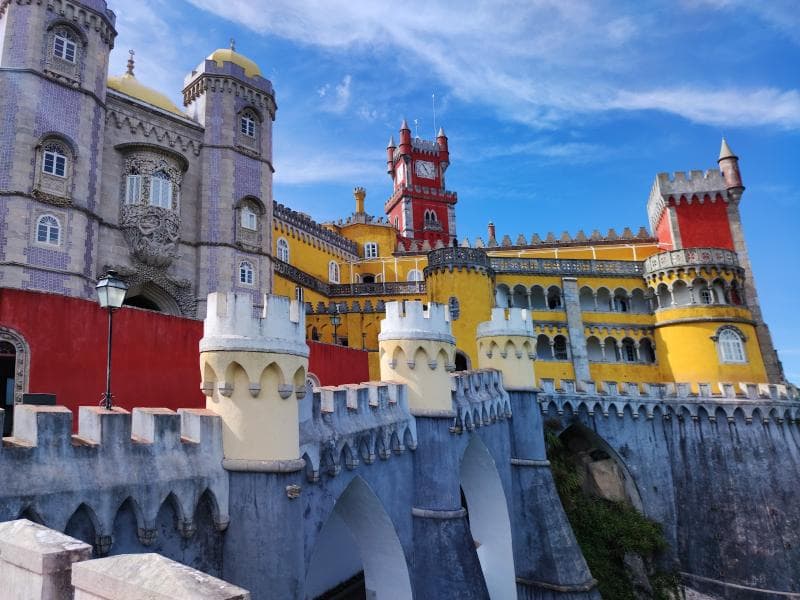
Discover the vibrant Terraces of Pena Palace in Sintra, Portugal. Enjoy breathtaking panoramic views and explore unique Romanticist architecture.
Overview
Nestled within the enchanting Park and National Palace of Pena, the Terraces of Pena Palace offer visitors a magnificent vantage point to admire both the vibrant architecture of the palace itself and the breathtaking panoramic landscapes of the Sintra-Cascais Natural Park. Perched atop one of the highest hills in the Sintra Mountains, these terraces serve as crucial connecting elements between various sections of the sprawling, eclectic palace. They are an integral part of a UNESCO World Heritage Site, inviting a moment of pause and appreciation for King Ferdinand II's fantastical creation.
Stepping onto the terraces, one is immediately struck by the harmonious blend of natural beauty and architectural grandeur. The palace's vivid hues – notably the red of the former monastery and the yellow of the New Palace – pop against the verdant backdrop of the surrounding park. These outdoor spaces are more than just walkways; they are viewing platforms designed to immerse visitors in the Romanticist vision that defines Pena, making them a highlight of any visit to this iconic Portuguese landmark.
History & Cultural Background
The history of the Pena Palace, and by extension its terraces, dates back to the 19th century when King Ferdinand II acquired the ruins of an old Hieronymite monastery. This monastery, founded by King Manuel I in the early 16th century, had itself been built on the site of a medieval chapel dedicated to Our Lady of Pena. Following the devastating 1755 Lisbon earthquake, the monastery was largely left in ruins until Ferdinand II embarked on his ambitious project to transform it into a summer residence for the Portuguese royal family.
Construction of the palace and its surrounding park, including the terraces, took place between 1842 and 1854, under the guidance of the German amateur architect Baron Wilhelm Ludwig von Eschwege. King Ferdinand II, often referred to as the 'King-Artist,' heavily influenced the design, incorporating a rich tapestry of architectural styles such as Neo-Gothic, Neo-Manueline, Neo-Islamic, and Neo-Renaissance elements. The terraces were conceived as an organic extension of this eclectic vision, designed to integrate the palace with the dramatic natural landscape and provide diverse perspectives of the evolving architectural marvel.
What Makes It Special
The Terraces of Pena Palace are special primarily for the unparalleled views they offer. From these elevated platforms, visitors can gaze across the vast expanse of the Sintra Mountains, the lush, exotic foliage of Pena Park, and, on clear days, even catch glimpses of the Atlantic Ocean and the city of Lisbon in the distance. The strategic positioning of the terraces allows for an intimate appreciation of the palace's distinct architectural features, from its whimsical turrets and decorative battlements to the intricate tilework and vibrant color palette.
One of the most notable features located on the Queen's Terrace is a historic sundial cannon. This unique device was designed to fire automatically every day at noon, a fascinating blend of scientific curiosity and royal flourish that once marked the midday for the palace inhabitants and surrounding areas. The terraces also provide exceptional photographic opportunities, capturing the palace's fairytale-like appearance against a backdrop that changes with the weather, often shrouded in the romantic mists characteristic of the Sintra hills.
Stories, Fun Facts & Local Details
King Ferdinand II's passionate artistic vision is truly embodied in the terraces. He meticulously planned the palace and its park to be a romantic and artistic expression, a 'living masterpiece' where architecture and nature converged. The presence of the sundial cannon on the Queen's Terrace speaks to the King's fascination with innovation and his desire to infuse functional elements with decorative charm. Imagine the daily anticipation as the cannon prepared to announce noon, a unique marker of time in a truly extraordinary setting.
The terraces also highlight the palace's distinct blend of cultural influences. Elements of Moorish arches and decorative patterns can be observed, reflecting Portugal's rich history and King Ferdinand's appreciation for diverse aesthetic traditions. It is said that the palace's vibrant colors, including the red and yellow, were intentionally chosen by the King to distinguish the old monastery section from the new palace construction. From these terraces, one can truly appreciate the playful and imaginative spirit that guided the creation of Pena Palace, making it feel like something out of a storybook.
Visitor Perspective
Exploring the Terraces of Pena Palace offers a captivating experience for any traveler. Visitors typically allocate ample time to walk along these scenic outdoor areas, soaking in the views and capturing photographs of the palace's intricate details and the sweeping vistas. Access to the outer terraces is generally included with a 'Park and Palace' ticket, providing a comprehensive experience of both the interior and exterior splendors of Pena.
Comfortable footwear is highly recommended, as exploring the terraces and the broader park involves a fair amount of walking on uneven and cobbled paths. Many suggest visiting early in the morning or later in the afternoon to avoid peak crowds and experience the softer light, which beautifully illuminates the palace and its surroundings. The terraces provide an essential transition from the ornate interiors to the expansive gardens, allowing for a gradual immersion into the grandeur and unique charm of this Portuguese national monument.
Coordinates: -9.390375, 38.78790278
View on Google Maps💬 How Travelers Describe This Place
Based on community votes
Unique
722Beautiful
698Photogenic
358Must See
126Interesting
19
Traveler Stories
Discover memorable experiences shared by travelers who have visited this place.
No traveler stories yet.
Be the first traveler to share what made this place memorable.

Tour
By
Spot
Discover amazing places around the world. Your journey starts here.
Explore
© 2026 TourBySpot. All rights reserved.