Temporary Exhibits
Warsaw, Poland
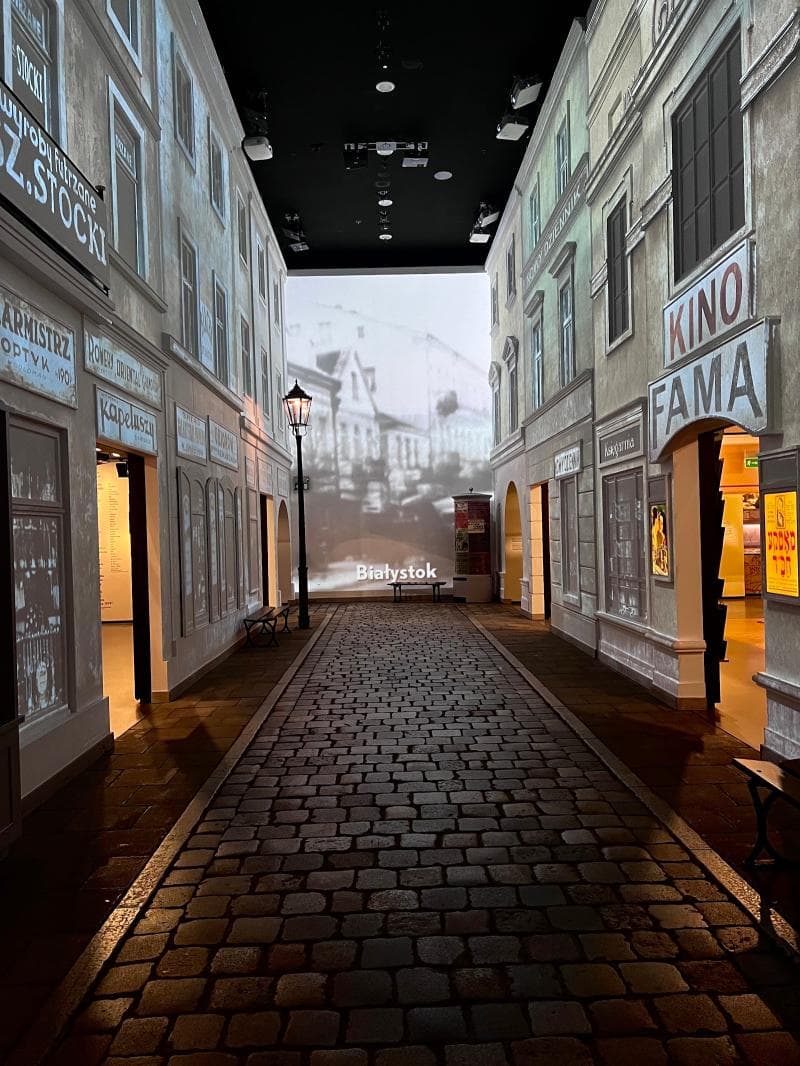
Explore the captivating Temporary Exhibits at POLIN Museum Of The History Of Polish Jews in Warsaw, Poland. Delve into diverse narratives, art, and history through rotating, thought-provoking displays.
Overview
Stepping into the POLIN Museum Of The History Of Polish Jews in Warsaw, Poland, offers an immersive journey through a millennium of rich Jewish life. Beyond its acclaimed Core Exhibition, a dynamic and equally compelling space awaits curious travelers: the Temporary Exhibits. These rotating displays provide an ever-evolving lens through which to explore specific narratives, artistic interpretations, and lesser-known facets of Polish-Jewish history and culture. Each temporary exhibition is carefully curated to delve into particular themes, artists, or historical periods, ensuring that every visit can offer fresh insights and foster deeper understanding. Located in the historic Muranów district, on the former site of the Warsaw Ghetto, the museum itself is a powerful symbol, and its temporary exhibits further amplify its mission of education and dialogue.
History & Cultural Background
The POLIN Museum is not merely a memorial; it's a vibrant institution dedicated to narrating the extensive history of Polish Jews, emphasizing their lives and contributions rather than solely focusing on their destruction. Founded as a unique public-private partnership, the museum opened its doors in 2013, with its Core Exhibition following in 2014. The architectural design, resembling the splitting of the Red Sea, underscores its symbolic significance. Within this context, the temporary exhibits serve as vital extensions of the museum's broader mission. They allow for the exploration of diverse topics, from medieval Jewish settlement to contemporary artistic responses to Jewish identity, often drawing on the museum's extensive collection of over fifteen thousand artifacts. These exhibitions provide an avenue to engage with the social, religious, and political diversity of Polish Jews, shedding light on both triumphs and challenges over the centuries, and promoting dialogue in a spirit of mutual understanding and respect.
What Makes It Special
What truly sets the Temporary Exhibits apart is their dynamic and often intimate approach to storytelling. Unlike the comprehensive, chronological narrative of the Core Exhibition, these displays offer focused, in-depth explorations of niche subjects or specific historical moments. They rotate several times a year, meaning the content is always fresh and relevant. Visitors might encounter exhibitions dedicated to individual artists, profound historical events, significant cultural movements, or contemporary social issues. The curators employ a range of innovative techniques, from artistic installations and historical documents to interactive elements, to bring these stories to life. This ever-changing program ensures that even returning visitors will discover something new, challenging preconceptions and sparking new conversations about the rich and complex tapestry of Jewish heritage in Poland and beyond.
Stories, Fun Facts & Local Details
The array of past and upcoming temporary exhibitions at POLIN Museum showcases their incredible thematic breadth. For example, visitors have been able to explore the 'Helena Rubinstein. Beauty is your destination' exhibition, delving into the life of the cosmetics pioneer, or 'Barnett Newman: From scratch', presenting the work of a pivotal 20th-century artist. Other notable past exhibitions have addressed challenging historical events, such as 'Estranged: March '68 and Its Aftermath', which explored the experiences of those affected by the political purges in Poland. Exhibitions like 'Blood: Uniting & Dividing' have tackled profound cultural and social concepts, stimulating deep thought and discussion. A 'Rotating Gallery' series even features contemporary art by Jewish artists through installations and performance-based projects, confronting themes like antisemitic stereotypes. These exhibitions often feature rarely seen artifacts, personal testimonies, and innovative multimedia presentations, making them deeply personal and impactful. They provide a unique opportunity to connect with the human stories behind the broader historical narrative, offering surprising insights and fostering empathy.
Visitor Perspective
For the curious traveler, visiting the Temporary Exhibits at POLIN Museum is an essential complement to the permanent collection. It provides an opportunity to engage with subjects that might only be touched upon briefly in the core narrative, or to see familiar themes through an entirely new artistic or academic lens. Each exhibit is designed to be thought-provoking, encouraging visitors to reflect on the complexities of history, identity, and cultural exchange. While the core exhibition provides a solid foundation of a thousand years of history, the temporary displays offer a chance for more focused engagement, often presenting a contemporary edge or a deep dive into a niche subject. Allow ample time to fully absorb the content, as many exhibitions feature interactive stations and detailed historical context that reward careful attention. Audio guides are often available, enhancing the understanding of the exhibits for an international audience. The continually changing nature ensures that each visit promises a unique and enriching experience, making it a compelling reason to return to this significant cultural institution in Warsaw.
Coordinates: 20.993483, 52.249184
View on Google Maps💬 How Travelers Describe This Place
Based on community votes
Beautiful
898Unique
667Must See
308Photogenic
190Interesting
32
Traveler Stories
Discover memorable experiences shared by travelers who have visited this place.
No traveler stories yet.
Be the first traveler to share what made this place memorable.

Tour
By
Spot
Discover amazing places around the world. Your journey starts here.
Explore
© 2026 TourBySpot. All rights reserved.