Temporary Exhibitions
Baku, Azerbaijan
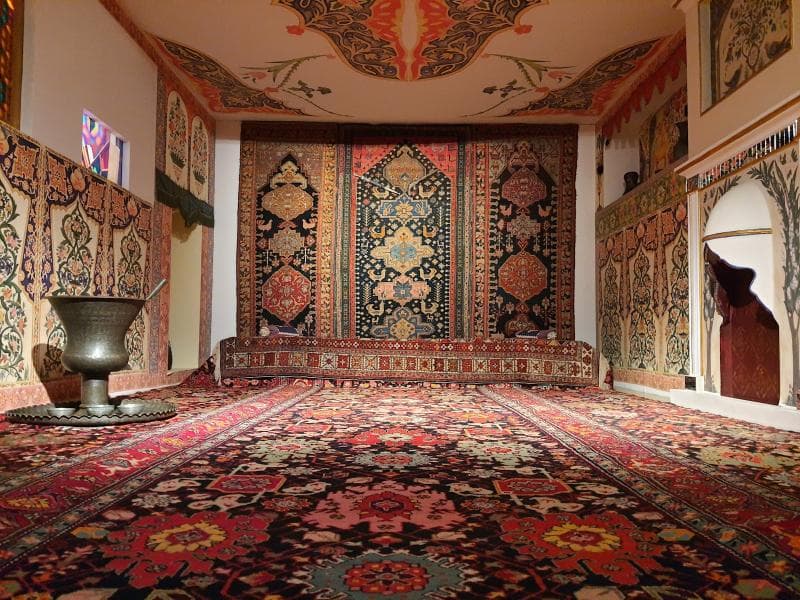
Discover the captivating temporary exhibitions at the Azerbaijan Carpet Museum in Baku, Azerbaijan. Explore evolving textile art, from ancient traditions to modern interpretations.
Overview
Stepping into the Azerbaijan Carpet Museum in Baku is an encounter with a profound artistic legacy, and its 'Temporary Exhibitions' space serves as a dynamic portal into the evolving narrative of Azerbaijani carpet weaving. More than just a static display of historical artifacts, these rotating exhibitions offer fresh perspectives, bridging ancient traditions with contemporary artistic expressions. They present a captivating journey through different eras, styles, and interpretations of a craft deeply embedded in the nation's identity. From showcasing rare historical pieces to featuring groundbreaking contemporary art inspired by traditional motifs, the temporary exhibitions ensure that the museum remains a living, breathing testament to Azerbaijan's rich textile heritage. Visitors can expect to find a thoughtfully curated selection of works that not only delight the eye but also enrich understanding of this significant cultural art form.
History & Cultural Background
Azerbaijani carpet weaving is not merely a craft; it is a vital component of the country's cultural fabric, recognized by UNESCO in 2010 as a Masterpiece of the Intangible Cultural Heritage of Humanity. This art form dates back thousands of years, with each intricate pattern and vibrant color telling stories of regional histories, local beliefs, and the everyday lives of the people. The Azerbaijan Carpet Museum itself, established in 1967, was the world's first specialized museum dedicated to this art, underlining its national significance. The museum's mission extends beyond mere preservation; it acts as a research center, fostering the study and popularization of traditional carpet weaving art globally [20, 22]. Temporary exhibitions play a crucial role in this mission, often delving into specific historical periods, regional weaving schools, or thematic explorations that illuminate the cultural context and artistic evolution of carpets. They provide a deeper dive into the symbolism, techniques, and social importance of textiles throughout Azerbaijani history, celebrating a heritage passed down through generations.
What Makes It Special
The 'Temporary Exhibitions' at the Azerbaijan Carpet Museum stand out for their innovative approach to showcasing traditional art. Unlike permanent collections that offer a broad overview, these rotating displays allow for focused, in-depth explorations. They frequently present unique collaborations, bringing together historical pieces with modern interpretations or featuring the works of contemporary artists who draw inspiration from Azerbaijani weaving traditions [15]. For instance, recent exhibitions have explored themes such as the transmission of memory through textile, like the 'Threads of Remembrance' exhibition, or how a single artistic image can transform across various media, as seen in artist Medina's 'In the After Image' exhibition [5, 6]. This dynamic programming means that no two visits are exactly alike, offering new discoveries even for returning visitors. It also highlights the museum's commitment to portraying carpet art not as a relic of the past, but as a vibrant, evolving art form that continues to inspire and adapt, maintaining its relevance in the modern world. The curation often involves bringing diverse perspectives, sometimes featuring international artists or collections, thereby fostering a global dialogue around textile arts [9].
Stories, Fun Facts & Local Details
One of the most captivating aspects of the temporary exhibitions is their ability to tell compelling stories. Each carpet, whether ancient or contemporary, is a repository of history and human endeavor. Visitors might discover how specific motifs evolved over centuries, reflecting societal changes or personal narratives. Imagine an exhibition showcasing the 'Karabakh' weaving school, where vivid colors and complex medallion designs narrate tales of a specific region [10, 15]. Beyond the carpets themselves, the exhibitions sometimes integrate multi-sensory elements, such as sound installations that evoke the rhythmic cadence of the weaving process, or specially crafted scents that transport visitors to the landscapes that inspired the designs [6]. The museum building itself is a fun fact; designed by Austrian architect Franz Janz, it is famously shaped like a rolled-up carpet, a striking architectural metaphor for its contents [23, 24]. This iconic structure houses not just the main collection but also the dedicated spaces for these special temporary shows, making the entire experience immersive. The involvement of the museum's own Traditional Technology Department in creating new carpets for contemporary art exhibitions further emphasizes the living nature of this craft, connecting the past with the present through skilled hands [6, 20].
Visitor Perspective
For the curious traveler, exploring the 'Temporary Exhibitions' offers an enriching and intimate experience. These curated showcases invite a closer look, encouraging visitors to ponder the intricate details, the historical significance, and the artistic intent behind each piece. It's an opportunity to see rare textiles that might not be part of the permanent collection or to witness the cutting edge of contemporary textile art [15]. The dynamic nature of these exhibitions ensures that there is always something new to discover, making repeated visits rewarding. Whether you are an art enthusiast, a history buff, or simply someone seeking a deeper connection with Azerbaijani culture, the temporary exhibitions provide a fresh and often thought-provoking perspective. They are designed to engage, educate, and inspire, transforming what might be a fleeting glance into a memorable cultural encounter. These exhibits allow you to witness the enduring legacy of Azerbaijani carpet weaving through a continuously evolving lens, ensuring that every visit reveals another thread in the rich tapestry of this unique art form.
Coordinates: 49.83556, 40.35972
View on Google Maps💬 How Travelers Describe This Place
Based on community votes
Unique
551Beautiful
547Must See
336Interesting
298Photogenic
212
Traveler Stories
Discover memorable experiences shared by travelers who have visited this place.
No traveler stories yet.
Be the first traveler to share what made this place memorable.

Tour
By
Spot
Discover amazing places around the world. Your journey starts here.
Explore
© 2026 TourBySpot. All rights reserved.