Temple Park
Beijing, China
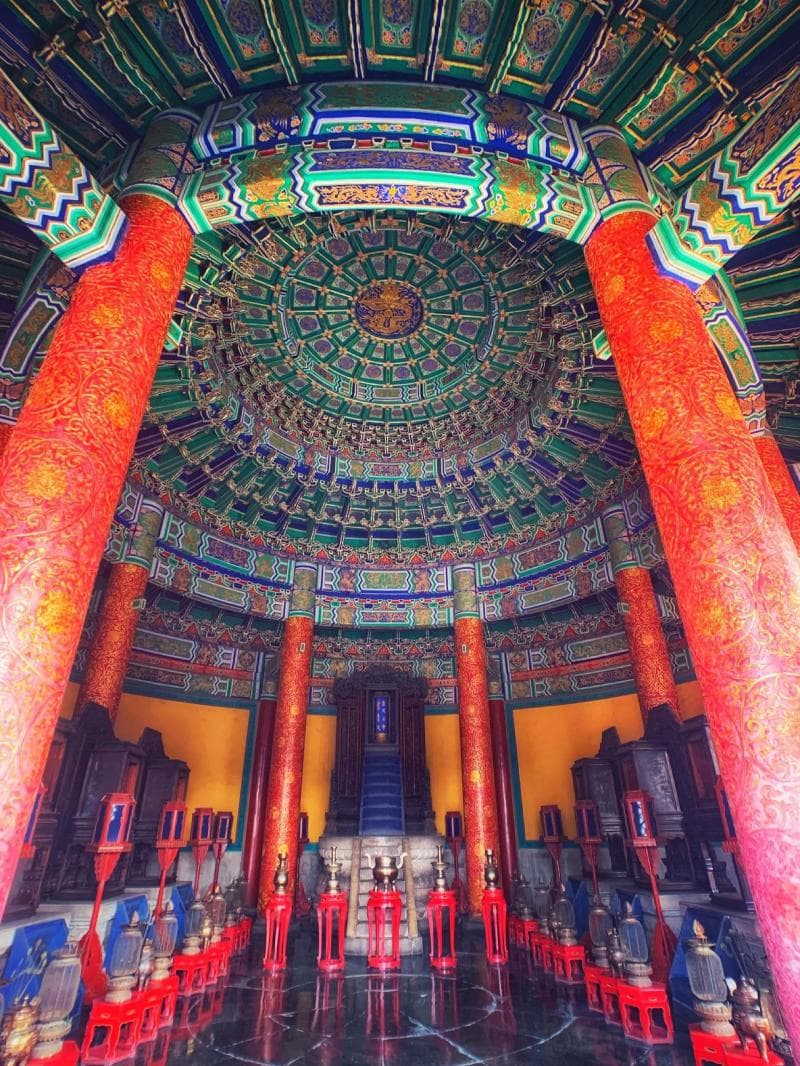
Explore the Temple of Heaven Park in Beijing, China, a UNESCO World Heritage site showcasing ancient imperial rituals and stunning architecture.
Overview
The Temple of Heaven, known locally as Tiantan, is far more than just a collection of ancient buildings; it is a sprawling imperial park and a profound spiritual landscape nestled in the southeastern part of central Beijing, China. Covering an immense area of 2.73 square kilometers (273 hectares), it is significantly larger than even the Forbidden City, serving as a tranquil oasis amidst the bustling metropolis. Designated a UNESCO World Heritage site in 1998, the Temple of Heaven represents a masterpiece of Chinese architectural and landscape design, embodying the ancient Chinese cosmology and the intricate relationship between humanity and the divine. While the main ceremonial structures are the undisputed focal points, the surrounding park, often referred to as 'Temple Park', plays a crucial role in both its historical context and its vibrant modern-day use by Beijing's residents.
History & Cultural Background
The Temple of Heaven was originally constructed between 1406 and 1420 during the reign of the Yongle Emperor of the Ming Dynasty, who also initiated the building of the Forbidden City. It was later expanded and given its current name during the Jiajing Emperor's era in the 16th century and underwent significant renovation in the 18th century under Emperor Qianlong. For over 500 years, this sacred complex was the exclusive domain of the Emperors of the Ming and Qing Dynasties, who would journey here twice annually from the Forbidden City to perform elaborate Heaven Worship Ceremonies. These rituals were crucial for praying to Heaven for good harvests and seeking divine blessings for the nation. The emperor, revered as the 'Son of Heaven', held the unique position of mediating between the earthly realm and the cosmic forces, with these ceremonies underscoring his divine mandate to rule. After the fall of the Qing Dynasty, the complex was converted into a public park in 1918, opening its sacred grounds to the general public for the first time.
What Makes It Special
What truly sets the Temple of Heaven apart is its profound symbolic design, meticulously crafted to reflect ancient Chinese cosmological beliefs. The entire complex, including its surrounding park walls, embodies the concept of 'Heaven is round and Earth is square'. The northern section of the park is semi-circular, symbolizing Heaven, while the southern part is rectangular, representing Earth. This harmony of circular and square elements is echoed in the architecture of its main structures, such as the round Hall of Prayer for Good Harvests and the Circular Mound Altar, both resting on square bases. The Hall of Prayer for Good Harvests is a magnificent triple-gabled circular building, famously constructed without a single nail, standing testament to ancient Chinese craftsmanship. The Circular Mound Altar, a three-tiered marble platform, was the precise location for the crucial winter solstice sacrifice. Its design incorporates intricate numerical symbolism, particularly the number nine and its multiples, which traditionally represent Heaven. Another marvel is the Echo Wall surrounding the Imperial Vault of Heaven, known for its unique acoustic properties that allow whispers to travel clearly from one side to the other.
Stories, Fun Facts & Local Details
Beyond its grand architecture and sacred purpose, the Temple of Heaven and its surrounding park offer a unique glimpse into the daily life and cultural traditions of Beijing. In the early mornings, before the main tourist crowds arrive, the park transforms into a vibrant community hub. Locals gather beneath ancient cypress trees, some centuries old, to engage in a variety of activities. You might witness groups practicing Tai Chi, graceful dance routines, impromptu opera performances, or even intense games of chess and mahjong. It's a place where retirees walk their birds, and families enjoy leisurely strolls, creating a lively atmosphere that beautifully contrasts with the solemn history of the imperial ceremonies. The emperors themselves adhered to strict protocols during their visits, including abstaining from meat and wearing special robes, highlighting the immense reverence for these rituals. The sheer scale of the park, coupled with the sparse distribution of its magnificent buildings, was deliberately designed to create a sense of solemnity and to emphasize the vastness of Heaven, preparing the emperor psychologically for his sacred duties.
Visitor Perspective
For visitors, exploring the Temple of Heaven Park is an immersive experience that blends historical enlightenment with a taste of contemporary Beijing life. It is recommended to allocate at least two to three hours to thoroughly explore the main architectural wonders like the Hall of Prayer for Good Harvests, the Imperial Vault of Heaven, and the Circular Mound Altar. If you wish to wander through the extensive park grounds and observe the local activities, three to four hours would be more appropriate. Visiting in the early morning is highly advisable not only to avoid larger crowds but also to witness the captivating daily routines of Beijing residents, offering a truly authentic cultural encounter. A combined ticket, typically available, grants access to both the park and the key attractions within. The most convenient way to reach this magnificent site is by taking Subway Line 5 to Tiantandongmen (East Gate). The Temple of Heaven offers a profound journey through imperial China's spiritual heart, wrapped in a living, breathing park that reflects the enduring spirit of its people.
Coordinates: 116.4066, 39.8822
View on Google Maps💬 How Travelers Describe This Place
Based on community votes
Beautiful
872Must See
846Unique
684Interesting
363Photogenic
250
Traveler Stories
Discover memorable experiences shared by travelers who have visited this place.
No traveler stories yet.
Be the first traveler to share what made this place memorable.

Tour
By
Spot
Discover amazing places around the world. Your journey starts here.
Explore
© 2026 TourBySpot. All rights reserved.