Temple of the Emerald Buddha
Bangkok, Thailand
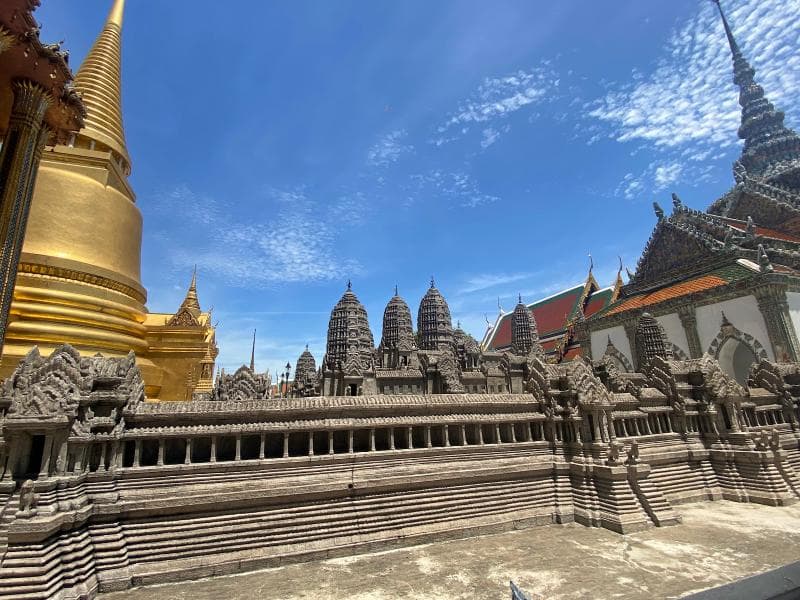
Explore the revered Temple of the Emerald Buddha (Wat Phra Kaeo) within Bangkok's Grand Palace, Thailand. Discover its rich history, unique traditions, and cultural significance.
Overview
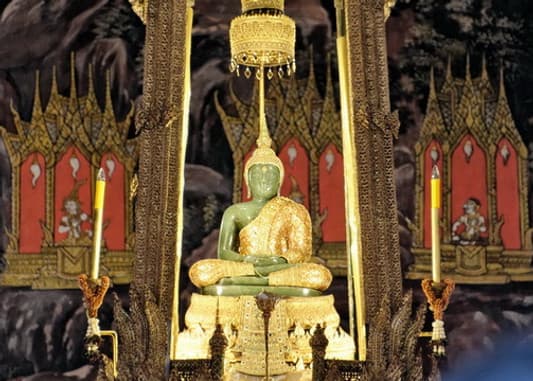
Nestled within the magnificent grounds of the Grand Palace in Bangkok, Thailand, lies the Temple of the Emerald Buddha, officially known as Wat Phra Si Rattana Satsadaram (or Wat Phra Kaeo). It is unequivocally regarded as Thailand's most sacred Buddhist temple and a pivotal cultural institution. Unlike traditional temples, Wat Phra Kaeo is not a monastery and does not house monks; instead, it functions as the royal chapel for significant state and religious ceremonies. Its central and most revered artifact is the Emerald Buddha, a small yet profoundly significant statue that serves as the palladium of Thailand, symbolizing spiritual and national identity.
The temple complex itself is a dazzling showcase of traditional Thai architecture, intricate artwork, and gilded splendor. Visitors are immediately struck by the meticulous detail and vibrant colors that adorn every structure, reflecting centuries of royal patronage and devotion. A visit here offers an immersive journey into the heart of Thai spirituality and artistic heritage, making it an essential destination for anyone exploring Bangkok.
History & Cultural Background
The history of the Emerald Buddha is as rich and winding as it is legendary. While its exact origins remain somewhat shrouded in myth, tales trace its journey back to ancient India, then to Sri Lanka, and subsequently through various kingdoms in Southeast Asia, including Cambodia and Laos. Historical accounts place its discovery in northern Thailand in 1434, when lightning struck a chedi in Chiang Rai, revealing a Buddha image initially covered in stucco. As the stucco peeled away, a radiant green figure emerged, captivating all who saw it.
For centuries, the statue traveled between prominent cities like Lampang, Chiang Mai, and Luang Prabang, its presence believed to bring prosperity and good fortune to the land it resided in. In 1779, during a campaign against Laos, General Chao Phraya Chakri — who would later become King Rama I — brought the Emerald Buddha to Siam. Upon establishing Bangkok as the new capital in 1782, King Rama I commissioned the construction of a grand temple within the newly built Grand Palace to enshrine this sacred icon. By 1785, the Emerald Buddha was ceremonially moved to its permanent home in the Ubosot (ordination hall) of Wat Phra Kaeo, where it has remained ever since, becoming an inseparable symbol of the Thai monarchy and nation.
What Makes It Special
What truly sets the Temple of the Emerald Buddha apart is, of course, the Emerald Buddha itself. Carved from a single piece of semi-precious green stone (often described as jade rather than actual emerald), the meditating Buddha figure is relatively small, approximately 66 centimeters tall, but its spiritual power and national importance are immense. It is adorned with elaborate gold garments, and uniquely, there are three sets of these robes, corresponding to Thailand's three seasons: hot, rainy, and cool.
Beyond the revered statue, the architecture of Wat Phra Kaeo is a breathtaking spectacle. The Ubosot, where the Emerald Buddha resides, features stunning gold leaf, mirrored mosaics, and intricate gables. The surrounding complex boasts numerous golden chedis, ornate pavilions, and guardian statues. The interior walls of the main hall are adorned with exquisite murals depicting the Ramakien, Thailand's national epic, adding layers of artistic and literary significance to the sacred space. The entire temple complex is a masterclass in Thai craftsmanship, with every surface meticulously decorated to inspire awe and reverence.
Stories, Fun Facts & Local Details
One of the most fascinating traditions surrounding the Emerald Buddha is the annual changing of its seasonal attire. This solemn and highly significant ritual is performed personally by the King of Thailand (or an appointed representative) three times a year, marking the transition between the seasons. This ceremony is not merely a custom; it is believed to bring good fortune, prosperity, and blessings to the entire country.
The legend of the lightning strike in Chiang Rai, which revealed the hidden green Buddha beneath its stucco casing, adds a mystical layer to its already storied past, suggesting a divine hand in its reappearance. The Emerald Buddha is considered the 'palladium of Thai society,' a protective image and a potent religio-political symbol deeply revered by both the Royal Family and the Thai people. Its long and often tumultuous journey across kingdoms underscores its enduring power and significance as a national treasure.
Visitor Perspective
Visiting the Temple of the Emerald Buddha is a profoundly cultural and spiritual experience, and adherence to respectful etiquette is paramount. A strict dress code is enforced: visitors must wear modest attire, with shoulders and knees covered. Sleeveless tops, short skirts, tight trousers, and ripped clothing are generally not permitted. If improperly dressed, visitors may be required to rent appropriate clothing at the entrance.
Upon entering the Ubosot or other sacred buildings, shoes must be removed. It is also considered highly disrespectful to point one's feet at any Buddha image or person, or to position oneself higher than a monk. Photography is allowed within the temple grounds, but strictly prohibited inside the main ordination hall where the Emerald Buddha resides. The temple is open daily from 8:30 AM to 3:30 PM, with an admission fee that typically includes entry to the Grand Palace. Early mornings are often recommended for a more tranquil experience before the peak crowds arrive.
Coordinates: 100.4925, 13.75139
View on Google Maps💬 How Travelers Describe This Place
Based on community votes
Photogenic
446Unique
152Interesting
33Must See
30Beautiful
16
Traveler Stories
Discover memorable experiences shared by travelers who have visited this place.
No traveler stories yet.
Be the first traveler to share what made this place memorable.

Tour
By
Spot
Discover amazing places around the world. Your journey starts here.
Explore
© 2026 TourBySpot. All rights reserved.