Temple Garden
Chiang Mai, Thailand
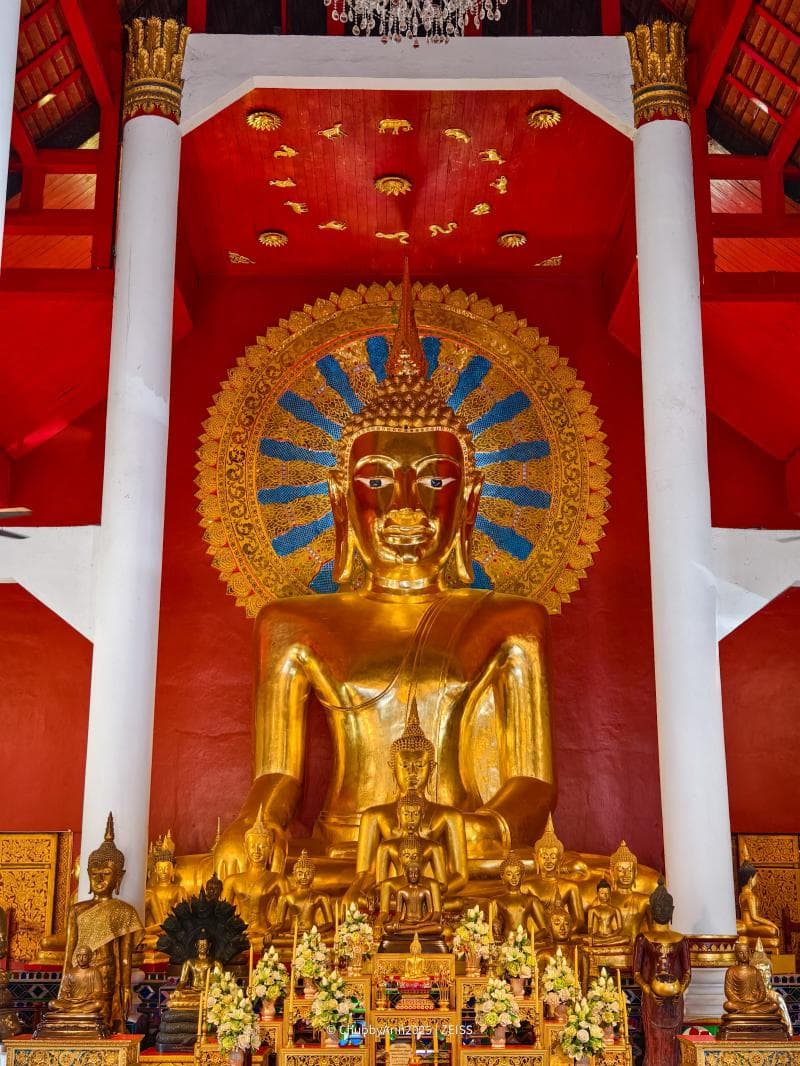
Explore the serene Temple Garden within Wat Phra Singh in Chiang Mai, Thailand. Discover Lanna architecture, historical murals, and cultural traditions.
Overview
Nestled within the ancient city walls of Chiang Mai, Thailand, the Temple Garden of Wat Phra Singh offers a serene and contemplative escape. While not a formally designated 'garden' in the Western sense, this area encompasses the beautifully maintained grounds, courtyards, and green spaces surrounding the temple's magnificent structures. It serves as a peaceful setting for reflection, a natural complement to the spiritual grandeur of one of Chiang Mai's most revered temples. Visitors can wander through shaded walkways, admire the intricate Lanna architecture amidst lush surroundings, and observe the daily life of monks, all contributing to an atmosphere of profound tranquility and cultural immersion.
History & Cultural Background
Wat Phra Singh, whose full name is Wat Phra Singh Woramahawihan, dates back to 1345, during the reign of King Phayu, the fifth king of the Mangrai Dynasty. It was initially constructed to enshrine the ashes of his father, King Khamfu. The temple's prominence significantly grew around 1367 when it became the home of the revered Phra Buddha Sihing statue, a sacred image believed to have originated in Sri Lanka or India. This pivotal event led to the temple being renamed Wat Phra Singh, meaning 'Temple of the Lion Buddha', in homage to the statue's lion-like style.
Over centuries, Wat Phra Singh has undergone several restorations, particularly in the 19th and 20th centuries, with significant efforts led by King Kawila and the revered monk Khru Srivichai Ba. These restorations meticulously preserved its authentic Lanna architectural style, which is characteristic of Northern Thailand. In 1935, King Ananda Mahidol (Rama VIII) elevated Wat Phra Singh to the esteemed status of a Royal Temple of the First Class, a distinction held by only a few temples in Thailand, solidifying its historical and religious importance.
What Makes It Special
The 'Temple Garden' within Wat Phra Singh is distinguished by its harmonious blend of spiritual sanctuary and exquisite Lanna artistry. It provides a serene backdrop to the temple's golden chedi, which is adorned with elephant sculptures and houses sacred relics and the ashes of King Khamfu. The garden pathways lead visitors past structures like the Viharn Lai Kham, a small assembly hall featuring intricate wood carvings and historically significant murals depicting Lanna folklore and Buddhist teachings. These murals, though sometimes faded, offer a unique glimpse into the region's cultural past and beliefs.
Another notable feature within these peaceful grounds is the ancient library (Ho Trai), an elevated wooden building designed to protect sacred palm-leaf manuscripts from humidity and pests. Its stucco devas and glass mosaic decorations highlight the exquisite craftsmanship of the Lanna period. The overall landscape, with its carefully placed monuments, mature trees, and smaller shrines, creates an ambiance that encourages quiet contemplation and appreciation for the rich spiritual heritage it embodies.
Stories, Fun Facts & Local Details
One of the most captivating aspects of Wat Phra Singh, deeply intertwined with its garden setting, is the legend surrounding the Phra Buddha Sihing statue. It is believed that if you view the statue at the precise moment the morning light shifts across its face, its expression appears to change—an optical marvel that has drawn the faithful for centuries. This spiritual phenomenon adds a mystical layer to the temple's already profound presence.
During the annual Songkran festival, the Thai New Year in April, the temple grounds become a vibrant center of celebration. The Phra Buddha Sihing image is ceremonially paraded through the streets of Chiang Mai, allowing locals and visitors to participate in the 'Song Nam Phra' ritual, gently sprinkling water on the image as a sign of respect and for blessings. This lively event transforms the tranquil garden into a hub of joyous energy and profound devotion. Another local tradition seen within the grounds during Songkran involves building sand chedis, symbolizing the return of grains of sand 'carried away' over the past year, bringing blessings for renewal.
Visitor Perspective
Visiting the 'Temple Garden' of Wat Phra Singh is an experience designed for quiet discovery. To fully appreciate its peaceful beauty and avoid crowds, arriving early in the morning is highly recommended. The soft morning light beautifully illuminates the gilded structures and enhances the tranquil atmosphere, offering excellent opportunities for photography and personal reflection.
As an active place of worship, respectful attire is mandatory; shoulders and knees must be covered. Sarongs are often available to borrow at the entrance if needed. Removing shoes before entering any of the main temple buildings is also a sign of respect. Observing the daily rituals of monks, who often cross the courtyards, and taking time to absorb the serene environment allows for a deeper connection with the cultural and spiritual heart of Chiang Mai.
Coordinates: 98.98135267444621, 18.788534480146705
View on Google Maps💬 How Travelers Describe This Place
Based on community votes
Beautiful
958Interesting
728Must See
719Photogenic
481Unique
382
Traveler Stories
Discover memorable experiences shared by travelers who have visited this place.
No traveler stories yet.
Be the first traveler to share what made this place memorable.

Tour
By
Spot
Discover amazing places around the world. Your journey starts here.
Explore
© 2026 TourBySpot. All rights reserved.