Temple Courtyard
Bali, Indonesia
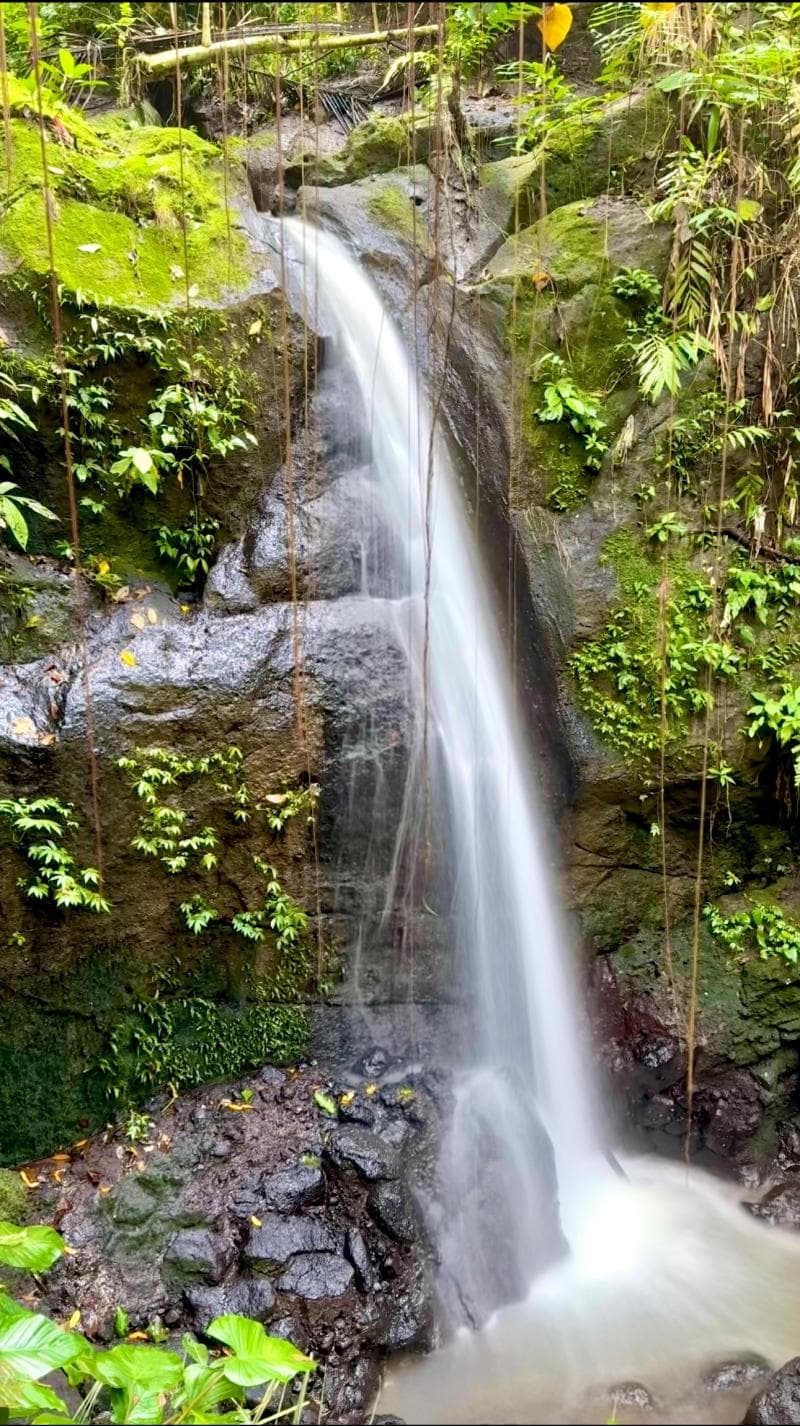
Explore the Temple Courtyard at Goa Gajah, Bali, Indonesia. Discover ancient bathing pools, Hindu-Buddhist relics, and rich cultural history.
Overview
The Temple Courtyard at Goa Gajah, also known as the Elephant Cave, in Bali, Indonesia, offers a profound journey into the island's spiritual past. Beyond the iconic, intricately carved cave entrance, visitors step into a spacious and sacred precinct that serves as the heart of the ancient complex. This area is a serene blend of natural beauty and historical relics, featuring lush gardens, tranquil pools, and a collection of venerable stone carvings. It’s here that the rich tapestry of Balinese spiritual traditions truly unfolds, inviting contemplation and discovery.
Upon descending a flight of stone steps, the courtyard reveals itself as a central gathering space, distinct from the cave itself but integral to the overall spiritual experience. It houses the famous bathing pools, ancient structures, and a scattering of various stone artifacts that speak volumes of centuries of devotion. The air often carries the faint scent of incense, a reminder that this is not merely a historical site but an active place of worship for Balinese Hindus.
History & Cultural Background
The history of Goa Gajah, and by extension its temple courtyard, dates back to at least the 9th century, with some sources suggesting its style is from the 11th century Bali Kingdom. It was originally conceived as a sanctuary for meditation and spiritual rituals, catering to both Hindu priests and Buddhist monks. This dual religious heritage is a defining characteristic of the site, reflecting Bali's unique blend of spiritual practices where Hindu and Buddhist elements have coexisted harmoniously for centuries.
A significant part of the courtyard's history revolves around the elaborate bathing pools, known as Patirtaan. These pools, adorned with statues of women holding water pitchers, were rediscovered in 1954 after centuries of being buried. Their excavation revealed their original purpose as a place for ritual purification. The water that fills these pools is believed to come from a holy spring, historically fed by the nearby Petanu River, making the courtyard a vital center for spiritual cleansing and devotion. The coexistence of Hindu and Buddhist artifacts throughout the complex, particularly within and around the courtyard, underscores its deep cultural significance as a shared sacred space.
What Makes It Special
The Temple Courtyard's distinctive allure lies in its ancient bathing pools and the symbolic statues that adorn them. There are seven statues, though one has been lost, depicting women (sometimes described as Hindu angels) who spout water from vases into the pools. These figures are often believed to symbolize the seven holy rivers of India, adding a layer of profound spiritual meaning to the purification ritual.
Beyond the bathing pools, the courtyard is also special for its collection of ancient stone carvings and architectural fragments. Visitors can explore a large wantilan (traditional Balinese meeting hall) and witness an assortment of old stone relics, some meticulously restored. These pieces, displaying intricate craftsmanship, offer a tangible connection to the spiritual and artistic expressions of past eras. The peaceful atmosphere, enhanced by lush foliage and the sound of flowing water, creates an immersive experience that transports visitors back in time.
Stories, Fun Facts & Local Details
Local lore imbues the bathing pools with mythical qualities; legend suggests that the waters once functioned as a 'fountain of youth,' with bathing in them believed to maintain one's youth and vitality. While perhaps a charming embellishment, this belief highlights the deep reverence held for the waters' purifying power.
The courtyard also holds an interesting geographical detail. Goa Gajah was strategically built on a hillside where two small streams converged, forming a 'campuhan' or river junction. Such junctions are traditionally considered sacred sites in Balinese culture, making them ideal locations for meditation and prayer. Within the courtyard area, one can also find active Balinese temples, indicating that the site continues to be a living religious space where local people perform daily rituals and prayers. This offers visitors a unique opportunity to observe contemporary Balinese spiritual practices in an ancient setting.
Visitor Perspective
For the curious traveler, entering the Temple Courtyard at Goa Gajah is an experience of stepping into tranquility. After navigating the initial descent, the peaceful ambiance offers a welcome contrast to the often bustling outside world. The architectural grandeur, combined with the whispers of history emanating from every stone carving, encourages a sense of respectful wonder. Observing the details of the bathing pools, imagining ancient rituals, and witnessing modern-day offerings provides a powerful connection to Bali's enduring spiritual heritage.
Visitors are required to dress modestly, typically by wearing a sarong and sash, which are often provided or available for rent at the entrance. This tradition underscores the sacred nature of the site and encourages visitors to engage with the culture respectfully. Spending time in the courtyard, away from the more dramatic cave entrance, allows for a deeper appreciation of the site's historical layers, offering moments of quiet reflection amidst ancient beauty. It's a place where history is not just observed but truly felt.
Coordinates: 115.257321, -8.539717
View on Google Maps💬 How Travelers Describe This Place
Based on community votes
Interesting
989Unique
613Photogenic
581Must See
514Beautiful
207
Traveler Stories
Discover memorable experiences shared by travelers who have visited this place.
No traveler stories yet.
Be the first traveler to share what made this place memorable.

Tour
By
Spot
Discover amazing places around the world. Your journey starts here.
Explore
© 2026 TourBySpot. All rights reserved.