Temple Complex
Vientiane, Laos
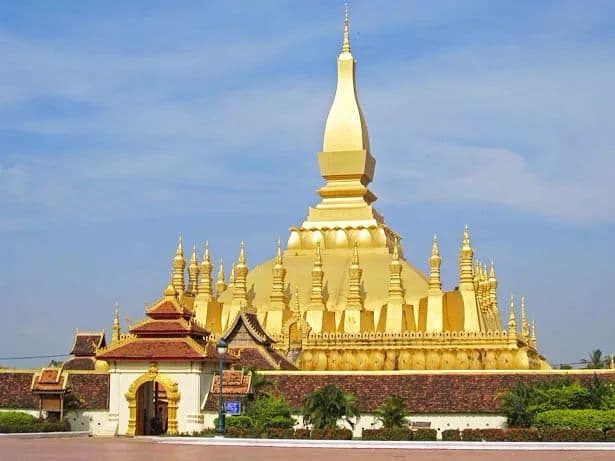
Explore the Temple Complex of Pha That Luang in Vientiane, Laos, a golden stupa, national symbol, and revered Buddhist site with rich history.
Overview
Stepping into the Temple Complex of Pha That Luang in Vientiane, Laos, feels like entering the golden heart of a nation. This magnificent site, often referred to as 'The Great Stupa,' is far more than just a monument; it is the most significant national symbol and spiritual beacon of Laos. Its brilliant golden spire, visible from afar, proudly represents the country's profound Buddhist faith, enduring identity, and rich cultural heritage. As a traveler, you'll discover a vibrant center of worship, a place of historical reflection, and a testament to the resilience of the Lao people. The complex is not merely a single structure but a grand enclosure housing the central stupa, surrounding smaller stupas, and several significant temples that invite contemplation and awe. It's a key pilgrimage site for Buddhists and a must-visit for anyone seeking to understand the soul of Laos.
History & Cultural Background
The origins of Pha That Luang are steeped in ancient lore, with traditions suggesting its establishment dates back as far as the 3rd century BC. According to legend, Buddhist missionaries from India brought a sacred relic of the Buddha—believed to be a breastbone—to the region, enshrining it on this very site. This act laid the foundation for what would become a revered spiritual center. The current, iconic stupa began to take its present form in 1566 under the command of King Setthathirath, who strategically relocated the capital of the Lan Xang Kingdom from Luang Prabang to Vientiane. He envisioned a splendid place of worship fitting for his new capital. Over the centuries, Pha That Luang has weathered numerous storms, including invasions by Siamese, Burmese, and Chinese forces, which often led to its destruction and subsequent abandonment. Each time, it has been painstakingly rebuilt, notably with major restorations in the 1930s that aimed to restore its original grandeur, reflecting the enduring spirit and unwavering faith of the Lao nation.
What Makes It Special
What truly sets the Temple Complex of Pha That Luang apart is its breathtaking golden splendor and deeply symbolic architecture. The central stupa, soaring approximately 45 meters high, is magnificently covered in gold leaf, estimated to be around a thousand pounds or 500 kilograms. This gleaming exterior is not just for beauty; the stupa's design itself is a profound expression of Buddhist cosmology. It rises in three distinct tiers, each representing a stage on the path to enlightenment: the underworld, the perfections, and ultimately, enlightenment at its pinnacle. Surrounding this grand central structure are 30 smaller spire-shaped stupas, creating a harmonious and visually stunning composition. The complex is enclosed by imposing high walls, each side spanning about 85 meters, adorned with intricate Lao and Khmer sculptures, including one of King Jayavarman VII. Within the compound, you'll also find two other significant temples, Wat That Luang Neua and Wat That Luang Tai, the latter famously housing a spectacular giant golden reclining Buddha, freely accessible to visitors.
Stories, Fun Facts & Local Details
Beyond its grand appearance, Pha That Luang is rich with stories and cultural significance that offer a deeper connection to Laos. Its image is emblazoned on the national emblem and banknotes, solidifying its status as a core representation of Lao identity and sovereignty. The architectural curves of the stupa are said to symbolize the sacred lotus blossom, an important Buddhist motif representing purity and spiritual awakening, with its golden hue echoing the color of the golden lotus. Another fascinating detail is the presence of Naga statues guarding the base of the steps inside the temple. These semi-divine beings, depicted with human and serpent qualities, are revered in Buddhism as protectors, recalling the story of a Naga king who sheltered the meditating Buddha from the rain. Perhaps the most vibrant local detail is the annual Boun That Luang Festival, held during the full moon of the 12th lunar month (around November). This grand festival transforms the complex into the spiritual heart of Laos, drawing tens of thousands of devotees, monks, and travelers for almsgiving ceremonies, candlelight processions, traditional music, dance, and bustling markets. It's a powerful display of faith and cultural celebration.
Visitor Perspective
Visiting the Temple Complex of Pha That Luang offers a profoundly enriching experience. As you approach, the glittering golden stupa immediately captures your attention, inviting you into its serene grounds. The outer areas, encompassing beautiful gardens and courtyards, provide ample space for reflection and photography. The central stupa courtyard requires a paid entrance, granting closer access to the main monument and its intricate details. You're free to explore the surrounding temples, like Wat That Luang Tai with its impressive reclining Buddha, and witness the daily rituals performed by monks and pilgrims. While the stupa itself is not accessible from the inside, its exterior inspection is deeply rewarding, revealing layers of history and symbolism. It's advisable to dress respectfully, covering shoulders and knees, as Pha That Luang remains an active and sacred religious site. Taking the time to observe the reverence of local worshippers and understand the stories embedded in its architecture will transform your visit into a meaningful journey into the heart of Lao culture and spirituality.
Coordinates: 102.63425, 17.9761667
View on Google Maps💬 How Travelers Describe This Place
Based on community votes
Beautiful
961Photogenic
710Must See
555Unique
448Interesting
156
Traveler Stories
Discover memorable experiences shared by travelers who have visited this place.
No traveler stories yet.
Be the first traveler to share what made this place memorable.

Tour
By
Spot
Discover amazing places around the world. Your journey starts here.
Explore
© 2026 TourBySpot. All rights reserved.