Temple Buildings
Ulaanbaatar, Mongolia
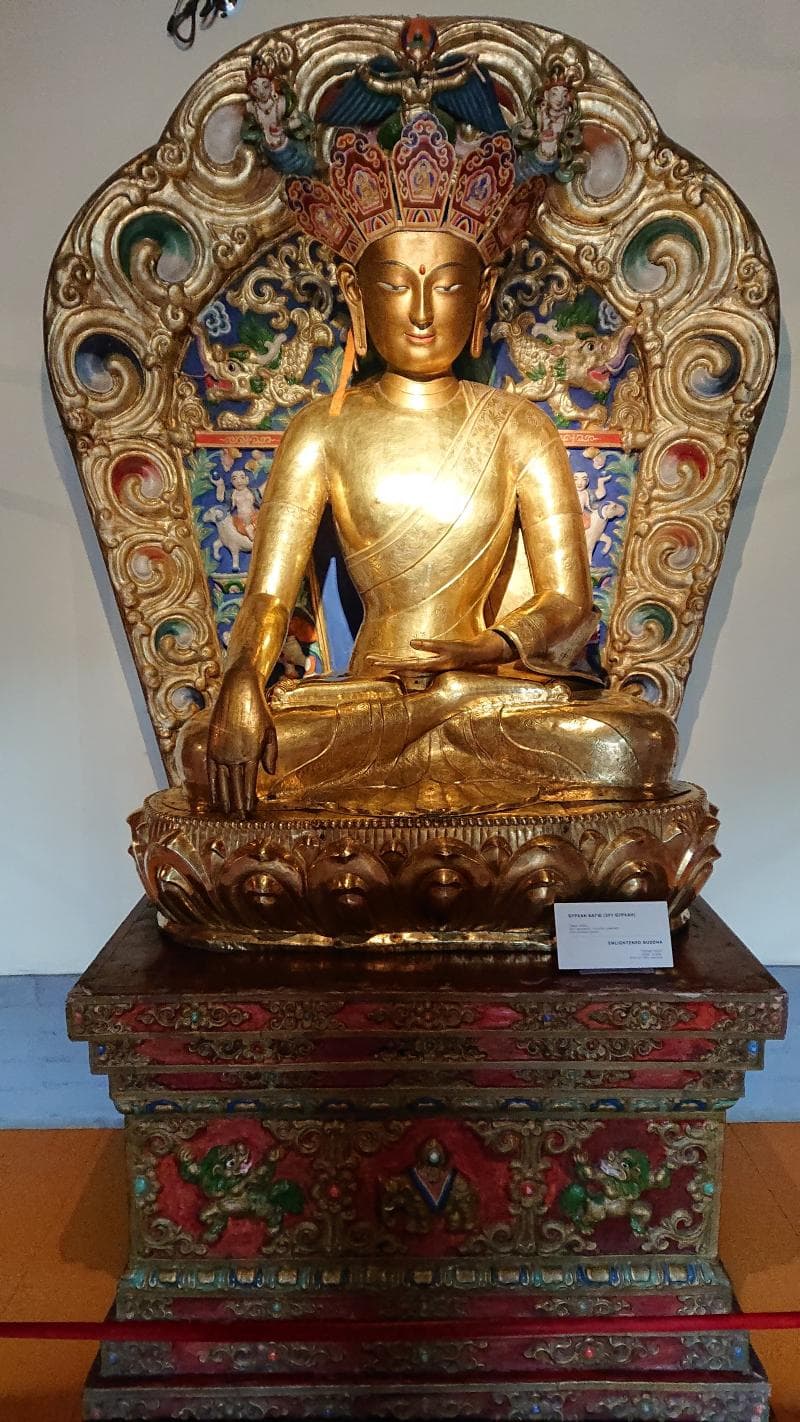
Explore the historic Temple Buildings at Bogd Khan Palace Museum in Ulaanbaatar, Mongolia, a unique cultural and spiritual landmark.
Overview
Nestled within the vibrant city of Ulaanbaatar, Mongolia, the Temple Buildings at the Bogd Khan Palace Museum offer a serene glimpse into the nation's rich spiritual and imperial past. This remarkable complex, often referred to as the 'Green Palace', served as the winter residence for the eighth Bogd Javzandamba Khutagt, Mongolia's last theocratic ruler, and is a rare survivor of the widespread destruction of religious sites during the 20th century. While the museum also features the European-style Winter Palace, it is the collection of seven traditional Chinese-styled temple buildings that truly captivates visitors with its vibrant colors, intricate architecture, and profound cultural significance.
Today, these temples function as a museum, preserving a vast collection of historical and religious artifacts, providing invaluable insight into 17th to 20th-century Mongolian history, art, and Buddhism. It's a place where the spiritual and political history of Mongolia converge, offering a unique educational and emotional journey for any curious traveler.
History & Cultural Background
The Bogd Khan Palace complex was constructed between 1893 and 1903 (some sources suggest 1906), primarily to serve as the residence for the eighth Bogd Javzandamba Khutagt, who became the spiritual leader and later the monarch of independent Mongolia in 1911. The complex was one of four residences belonging to the Bogd Khan, but it stands as the sole remaining royal palace in Mongolia, having miraculously survived the systematic purges and destruction of monasteries in the late 1930s under communist rule.
After the death of the Bogd Khan in 1924, the Winter Palace section of the complex was transformed into a museum by 1926, eventually incorporating the temple buildings as a preserved testament to Mongolia's Buddhist heritage. The site is immensely significant as it continued to safeguard invaluable religious artifacts and historical monuments during a period when much of Mongolia's cultural and spiritual heritage was erased. It acts as a powerful reminder of the resilience of Mongolian culture and faith.
What Makes It Special
The Temple Buildings are characterized by their distinct Chinese architectural style, a striking contrast to the European design of the Winter Palace. These seven temples are symmetrical, arranged around two courtyards, and are adorned with dazzling exterior painted finishes in bright red, green, blue, white, and gold. The traditional green glazed roof tiles, though once in disrepair, have been part of ongoing restoration efforts, highlighting the intricate craftsmanship.
Among these, the Makhranz Temple is notable, housing statues of the four great kings believed to protect the four continents from danger, often crafted using the 'wet paper method'. The Lavrin Temple was the Bogd Khan's personal place of worship, where visitors can find sculptures by Zanabazar, Mongolia's renowned 17th-century artist and the first Bogd, including images of the Twenty-one Taras. Another temple, formerly the Bogd Khan's reading room, now displays exquisite silk paintings by famous artists and craftsmen of the era.
Stories, Fun Facts & Local Details
One of the intriguing elements greeting visitors is the Yanpai Wall, a protective brick wall in front of the complex. Symbolically, it means 'closed door' in Tibetan and features images of dragons and Mount Sumber surrounded by a sea, representing protection against evil spirits which are believed to drown in the sea. The Amgalan-Enkh Gate, or Peace Gate, is another marvel. Built between 1912 and 1919 to commemorate Mongolia's independence, it's famously constructed without a single nail, instead utilizing 108 different types of interlocking wooden joints. This intricate gate was funded by public donations, amounting to a substantial 175 kg of silver.
Inside the museum complex, the personal possessions of the Bogd Khan and his queen, Dondogdulam, offer a fascinating glimpse into their royal lives. Beyond ceremonial robes and jewelry, the museum houses a unique collection of stuffed animals, including an elephant that reportedly walked for three months from the Russian border to Ulaanbaatar and a ger lined with the skins of 150 snow leopards. While primarily displayed in the Winter Palace, these items underscore the eccentricities and interests of the last Khaan and add a layer of personal storytelling to the historical narrative.
Visitor Perspective
Visiting the Temple Buildings at the Bogd Khan Palace Museum is like stepping into a peaceful sanctuary, a vibrant repository of Mongolia's past. As you wander through the courtyards and enter each temple, you're enveloped by the rich tapestry of Buddhist art, royal history, and architectural beauty. The colorful murals, gilded statues, and intricate details on display in each building tell a silent story of devotion and artistry.
It offers a stark contrast to the bustling modern city outside, providing a quiet space for reflection and appreciation of Mongolia's enduring cultural identity. For those keen to understand the nation's struggle for independence and the profound impact of Buddhism on its society, these temples provide an authentic and deeply moving experience, highlighting a rare triumph of preservation against the odds. It's a journey not just through buildings, but through time and spirit.
Coordinates: 106.90667, 47.8975
View on Google Maps💬 How Travelers Describe This Place
Based on community votes
Must See
982Unique
876Photogenic
875Interesting
648Beautiful
235
Traveler Stories
Discover memorable experiences shared by travelers who have visited this place.
No traveler stories yet.
Be the first traveler to share what made this place memorable.

Tour
By
Spot
Discover amazing places around the world. Your journey starts here.
Explore
© 2026 TourBySpot. All rights reserved.