Temple Bar Pub
Dublin, Ireland
Discover the iconic Temple Bar Pub in Dublin, Ireland. Explore its history, vibrant live music, vast whiskey collection, and the lively cultural quarter.
Overview
Nestled within the vibrant heart of Dublin, Ireland, the Temple Bar Pub stands as an iconic landmark in the city's celebrated cultural quarter, also known as Temple Bar. With its distinctive bright red facade adorned with flower boxes, it's one of Ireland's most photographed buildings and a magnet for both locals and travelers seeking an authentic Irish pub experience. The wider Temple Bar district, where the pub is situated, is a bustling neighborhood on the south bank of the River Liffey, renowned for its lively nightlife, cobblestone streets, and thriving arts scene.
This historic pub is synonymous with traditional Irish 'craic' – a term encompassing fun, entertainment, and lively conversation – offering daily live music, a vast selection of whiskies, and a consistently convivial atmosphere. It embodies the spirit of Dublin's rich pub culture, providing a warm welcome and a quintessential experience for anyone exploring the Irish capital.
History & Cultural Background
The origins of the Temple Bar area date back centuries, with Viking settlements once established here as early as 795 AD. The name 'Temple Bar' itself is believed to derive from Sir William Temple, a provost of Trinity College, who owned a house and gardens in the area in the early 17th century.
Historically, the district has seen many transformations. After a period of decline following the relocation of a customs house in 1791, the area became somewhat rundown and even notorious in the 18th century. Its modern renaissance began in the 1980s when plans for a central bus depot were considered. Buildings were let at low rents, attracting artists, small businesses, and galleries, inadvertently fostering a bohemian atmosphere. By the 1990s, after protests prevented the bus depot's construction, Temple Bar was officially designated Dublin's 'cultural quarter' and underwent significant regeneration, becoming the vibrant hub it is today.
The Temple Bar Pub itself boasts a long and storied history, with its license tracing back to 1835. By 1840, it had developed into a public house, and it has been continuously serving patrons ever since. Notably, the pub remained open and served pints even during the tumultuous 1916 Easter Rising.
What Makes It Special
The Temple Bar Pub's allure extends beyond its striking red exterior. It is globally recognized for housing Ireland's largest whiskey collection, boasting over 450 different varieties. For whiskey aficionados, this offers an unparalleled opportunity to explore the breadth of Irish and international spirits. Adding to its unique character, the pub holds a Guinness World Record for the longest marathon guitar performance, a testament to its deep connection with music and celebration.
Live traditional Irish music is a cornerstone of the Temple Bar experience, with sessions running throughout the day and well into the night, seven days a week. This continuous flow of authentic Irish tunes creates an electric and engaging atmosphere that is truly unforgettable. The pub has even been recognized as the 'Traditional Music Pub of the Year' for multiple years.
Beyond the pub, the Temple Bar district itself is a cultural tapestry woven with cobbled streets, independent shops, art galleries, and diverse eateries. It hosts markets, such as the Temple Bar Book Market and a weekly food market in Meetinghouse Square, enriching the visitor experience.
Stories, Fun Facts & Local Details
One fascinating anecdote highlights the Temple Bar Pub's enduring presence: a barman was pulling pints on Easter Monday 1916 as gunfire erupted during the Easter Rising, showcasing the pub's seamless integration into Dublin's historical fabric.
Inside the pub, visitors might spot a bronze statue of James Joyce. This statue, alongside a plaque, commemorates the pub's receipt of a James Joyce Pub Award, acknowledging its authentic Irish pub ambience – a tradition that Joyce himself immortalized in his works. The plaque includes a famous quote from Joyce's 'Ulysses': 'A good puzzle would be to cross Ireland without passing a pub.'
The very existence of the cultural quarter is a result of a twist of fate. Had protests not succeeded, the vibrant Temple Bar district, with its unique character, might have been replaced by a large bus depot in the 1980s, a detail that local residents often recall with a touch of irony.
Visitor Perspective
For visitors, the Temple Bar Pub and its surrounding district offer an immersive experience into Dublin's lively spirit. While the pub is almost always bustling, especially in the evenings and on weekends, this contributes to its infectious energy. Many travelers describe it as a 'must-visit' for its unique atmosphere and the chance to witness live Irish music up close.
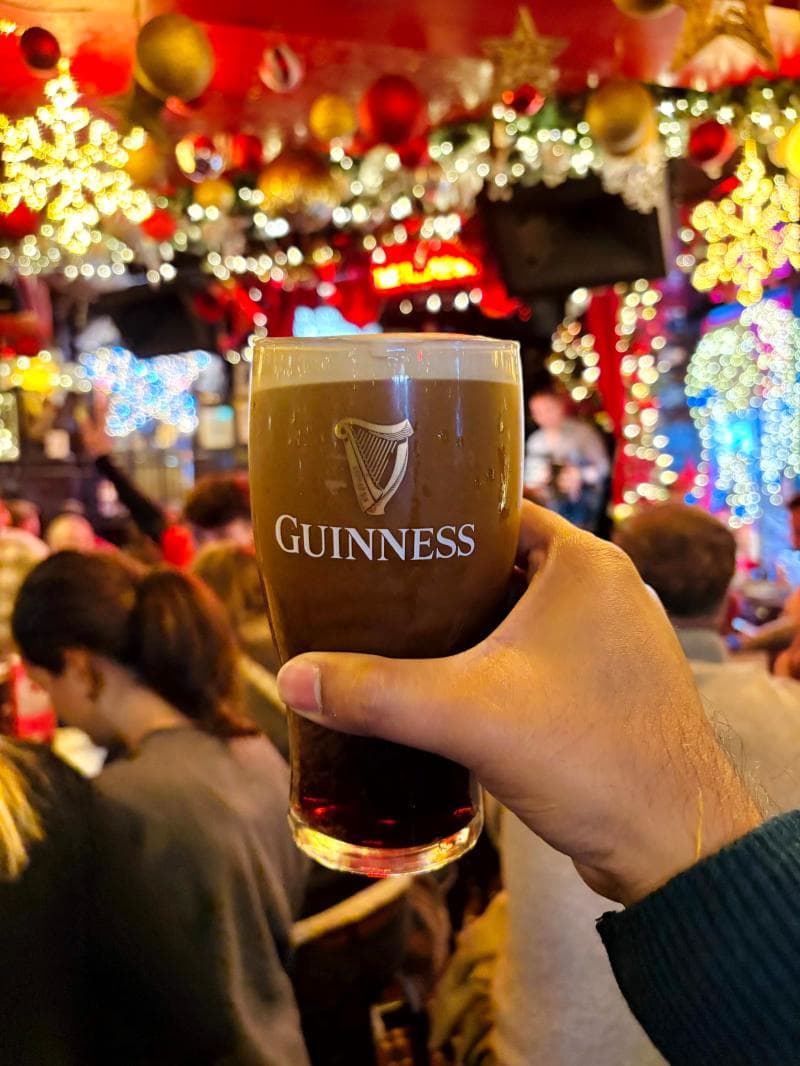
Expect a vibrant, sometimes crowded, environment where the sounds of traditional instruments fill the air, and conversations flow freely between patrons from around the globe. While a pint of Guinness might be slightly pricier here than in other parts of Dublin, most agree that the experience and ambiance are well worth it. Arriving earlier in the day is often recommended to secure a spot and soak in the atmosphere before the evening crowds. Beyond the pub, the narrow, winding streets of the Temple Bar area invite exploration, revealing quirky shops, street performers, and a diverse culinary scene, making it a perfect spot to spend an afternoon before diving into the pub's evening 'craic'.
Coordinates: -6.2641, 53.3454
View on Google Maps💬 How Travelers Describe This Place
Based on community votes
Beautiful
981Photogenic
946Must See
795Interesting
439Unique
66
Traveler Stories
Discover memorable experiences shared by travelers who have visited this place.
No traveler stories yet.
Be the first traveler to share what made this place memorable.

Tour
By
Spot
Discover amazing places around the world. Your journey starts here.
Explore
© 2026 TourBySpot. All rights reserved.