Tagus Riverbank Walk
Lisbon, Portugal
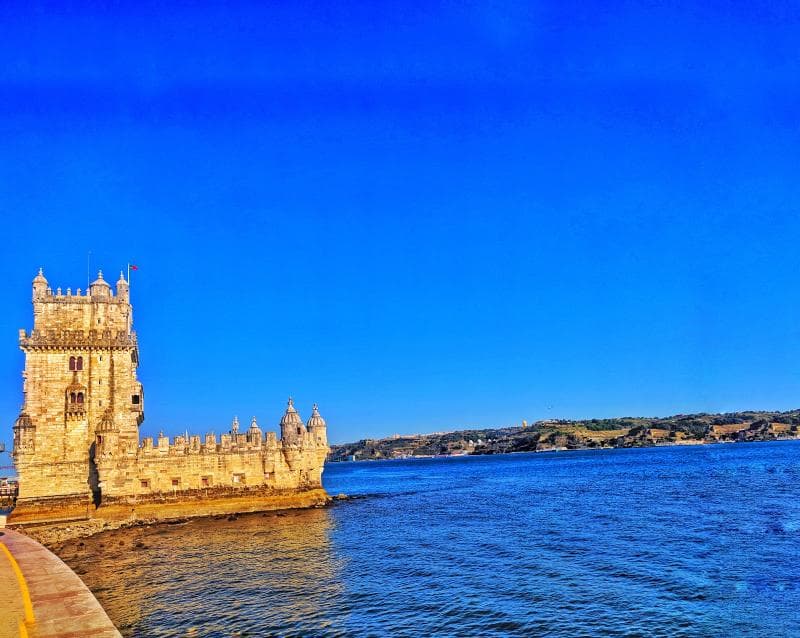
Explore Lisbon's Tagus Riverbank Walk adjacent to Belém Tower, a UNESCO site. Discover history, Manueline architecture, and scenic views of Portugal's Age of Discovery.
Overview
The Tagus Riverbank Walk, an enchanting promenade nestled alongside the iconic Belém Tower in Lisbon, Portugal, offers a captivating journey through maritime history and breathtaking riverine landscapes. This UNESCO World Heritage site is not merely a path; it is a vibrant artery connecting visitors to the heart of Portugal's Age of Discoveries, presenting a unique blend of architectural grandeur and natural beauty. Here, the Tagus River, the longest in the Iberian Peninsula, widens into a magnificent estuary, setting the stage for panoramic views and a profound sense of historical continuity.
As you stroll along this meticulously designed waterfront, you are enveloped by the open, ocean-bound spirit that defines Lisbon. The walk gracefully links significant landmarks, including the majestic Belém Tower itself, the Monument of the Discoveries, and the sprawling Jerónimos Monastery, all symbols of a golden era when Portuguese navigators embarked on voyages that reshaped the world map. It is a place where the rhythmic lapping of the water harmonizes with the gentle hum of city life, inviting both quiet contemplation and lively exploration.
History & Cultural Background
The history of the Tagus Riverbank Walk is inextricably linked to the narrative of Belém, a district steeped in the legacy of Portugal's Age of Discoveries. The star of this historical tableau, the Belém Tower, or Torre de Belém, was constructed between 1514 and 1521 under the reign of King Manuel I. Designed by architect Francisco de Arruda, this Manueline masterpiece originally served as a formidable defensive fortress guarding the entrance to Lisbon's harbor. Its strategic location at the mouth of the Tagus River made it a crucial part of the city's defense system and the last sight of land for explorers departing into the unknown.
Beyond its military function, the tower also acted as a ceremonial gateway, a customs checkpoint, a lighthouse, and even a state prison. Fascinatingly, while it was initially built on a small island in the Tagus, the shifts in the river's course and the devastating 1755 earthquake eventually connected it to the mainland, placing it directly on the riverbank where it stands today.
The promenade also borders the Monument of the Discoveries (Padrão dos Descobrimentos), erected in 1960 to commemorate the 500th anniversary of Henry the Navigator's death. This striking monument, initially a temporary structure for the 1940 Portuguese World Exhibition, stands as a modern tribute to the explorers who sailed from these very shores. The adjacent Praça do Império (Empire Square), also developed for the 1940 exhibition, further enriches the historical panorama, symbolizing Portugal's imperial past.
What Makes It Special
What sets the Tagus Riverbank Walk apart is its unique ability to blend historical resonance with contemporary appeal. The architecture of the Belém Tower, a prime example of the Manueline style with its ornate maritime motifs, is a visual feast, reflecting Portugal's deep connection to the sea. From the elegant turrets to the carved balconies, every detail tells a story of exploration and grandeur.
The promenade itself is a triumph of urban design, characterized by wide, pale stone paths often adorned with artistic paving that some interpret as mimicking the wake of a ship. It's a place of constant motion and breathtaking vistas, offering unobstructed views of the Tagus River, the iconic 25 de Abril Bridge, and the Almada Christ the King statue across the water. The way the light plays on the river, especially at sunrise or sunset, transforms the landscape into a painter's dream, casting golden hues upon the historic stones.
Stories, Fun Facts & Local Details
The Tagus Riverbank Walk is rich with anecdotes and intriguing facts. Imagine the despair of prisoners held in the Belém Tower's lower bastion, with cells situated below the waterline at high tide. Conversely, picture the hope and ambition of countless sailors, including Vasco da Gama, as they departed from these shores for uncharted territories, seeing the tower as their final glimpse of home.
A fun detail often overlooked is the subtle design of the promenade's paving stones, which in some sections evoke the undulating lines of a ship's wake, a constant reminder of the voyages that commenced here. The Tagus River itself holds legends; some historical accounts even suggest the river once yielded gold, with King Afonso Henriques reportedly paying tribute with gold taken from its sands. And no visit to Belém is complete without savoring the world-renowned Pastéis de Belém, the original custard tarts, available just a short walk from the riverbank, a sweet taste of local tradition.
Visitor Perspective
For the curious traveler, the Tagus Riverbank Walk offers an immersive and versatile experience. Whether you seek a peaceful morning jog, a leisurely afternoon stroll, or a romantic sunset viewing, the promenade caters to all. It's an ideal spot for photography enthusiasts, particularly during the 'golden hour' when the river glows with color.
The walk's seamless connection to the Belém Tower, the Monument of the Discoveries, and the Jerónimos Monastery allows visitors to effortlessly transition between these significant sites, making it a central component of any Belém exploration. While it can get busy, especially at popular times, the vastness of the area ensures space for everyone to enjoy the views and soak in the atmosphere. It's a journey that transports you back in time, allowing you to walk in the footsteps of explorers and appreciate the profound impact Portugal had on global navigation and culture.
Coordinates: -9.216, 38.6916
View on Google Maps💬 How Travelers Describe This Place
Based on community votes
Unique
748Photogenic
304Must See
85Beautiful
73Interesting
35
Traveler Stories
Discover memorable experiences shared by travelers who have visited this place.
No traveler stories yet.
Be the first traveler to share what made this place memorable.

Tour
By
Spot
Discover amazing places around the world. Your journey starts here.
Explore
© 2026 TourBySpot. All rights reserved.