Swan Ponds
Sarajevo, Bosnia and Herzegovina
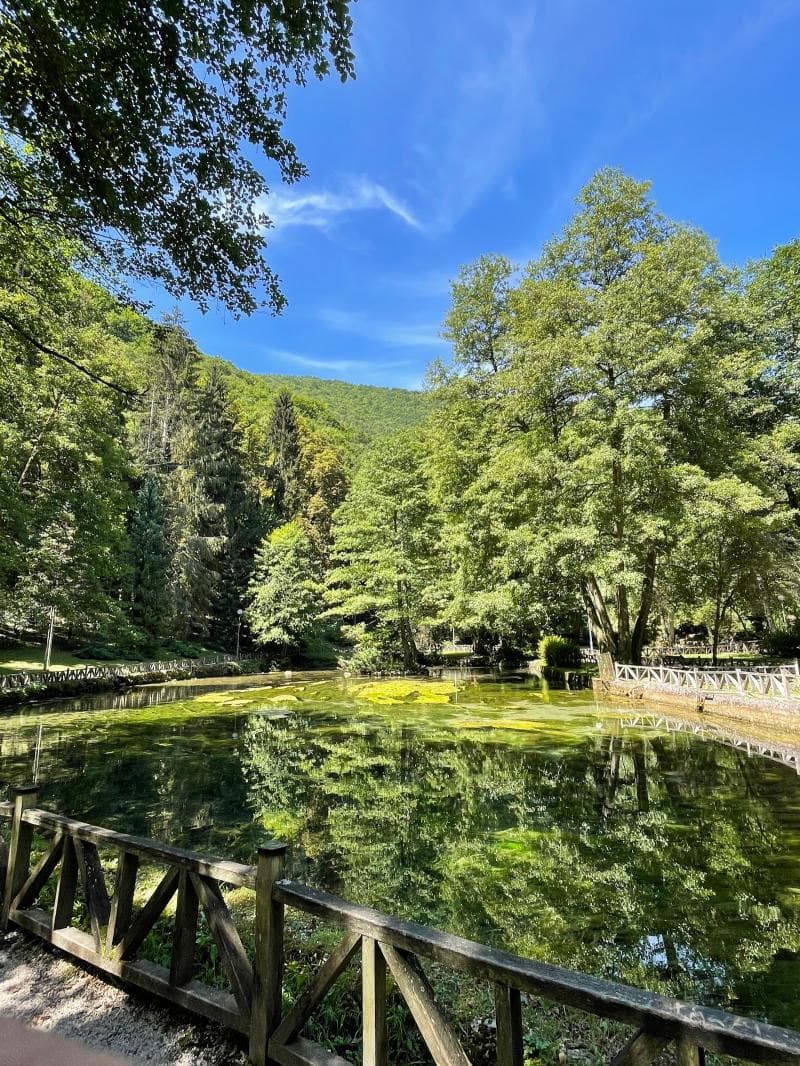
Discover Swan Ponds at Vrelo Bosne, Sarajevo, Bosnia and Herzegovina. Explore the springs of the Bosna River, home to graceful swans and lush nature.
Overview
Nestled at the foothills of Mount Igman, on the outskirts of Sarajevo in Bosnia and Herzegovina, lies the captivating natural monument of Vrelo Bosne. This expansive public park marks the picturesque source of the Bosna River, offering a tranquil escape from the bustling city life. Within its lush embrace, visitors discover a network of clear springs, bubbling streams, and small waterfalls that converge to form the nascent river. Among the park's most cherished features are the peaceful bodies of water, often referred to by travelers as the 'Swan Ponds,' where graceful swans and various ducks glide across the calm surfaces, creating a serene and picturesque tableau for all who visit.
Vrelo Bosne is renowned for its rich biodiversity, featuring diverse plant life and a variety of animal species that thrive in its protected environment. The park's natural beauty, characterized by its verdant landscapes and crystal-clear waters, has made it a beloved destination for both locals and international tourists seeking solace and natural splendor.
History & Cultural Background
The area surrounding Vrelo Bosne boasts a rich history, with archaeological traces in the nearby Ilidža municipality dating back as far as 2400–2000 BC. The region was historically known for its healing waters, with a spa town developing around these natural springs during the Ottoman period. The modern appearance of the Ilidža area, including Vrelo Bosne, was significantly shaped during the Austro-Hungarian rule. During this era, in 1892, the famous Velika Aleja, a 3.5-kilometer tree-lined promenade featuring horse chestnuts and plane trees, was planted, leading visitors from Ilidža directly to the springs.
A short distance from the springs, the historic Roman Bridge stands as a testament to the area's ancient past. Built between 1530 and 1550, it incorporates original Roman stones and ruins, connecting it to a Roman village of Aquae Sulphurae. The park faced a period of neglect during the Bosnian War, with trees cut down for heating. However, it was admirably restored to its former glory in 2000 by local youths, supported by an international ecological organization, reaffirming its importance as a natural and cultural heritage site.
What Makes It Special
What truly sets the 'Swan Ponds' area within Vrelo Bosne apart is the enchanting synergy of pristine nature and accessible wildlife. The constant flow of cold, clear water, rising from underground aquifers beneath Mount Igman, feeds a series of crystalline pools and streams. This hydrological marvel creates an ideal habitat for the park's iconic swans and ducks, which are a constant presence and a delight for visitors.
The numerous small islands within the park are connected by charming wooden bridges, inviting exploration and offering unique vantage points to observe the graceful birds. These natural features, combined with the carefully maintained pathways and lush greenery, offer a uniquely immersive experience. The ability to witness these elegant creatures in their natural, tranquil setting, against a backdrop of verdant forests and gushing springs, transforms a simple visit into a memorable encounter with nature's artistry.
Stories, Fun Facts & Local Details
Vrelo Bosne has long been a source of wonder and inspiration. Local lore and even historical records suggest its extraordinary beauty. According to some accounts, London newspapers once described this area as 'the most beautiful place in the world,' praising its invigorating air and enchanting climate, capable of instilling a poetic mood in anyone, even a weary London worker.
A cherished local tradition is the horse-drawn carriage ride, known as a 'fijaker,' along the Velika Aleja. This classic journey offers a nostalgic and charming way to approach the springs, evoking a sense of past elegance from the Austro-Hungarian era. It's a beloved experience that adds a layer of cultural immersion to the natural beauty. While the spring water itself is exceptionally clean, often serving as a crucial source for Sarajevo's drinking water, its direct consumption is generally not recommended, despite its purity.
Visitor Perspective
For visitors, the 'Swan Ponds' within Vrelo Bosne offer a truly idyllic experience. The journey typically begins with a stroll or carriage ride down Velika Aleja, a leafy tunnel that gently introduces the park's serene atmosphere. Upon entering the main park area, the sights and sounds immediately transport one to a peaceful realm. The gentle rush of water, the rustling of leaves, and the soft calls of birds create a symphony of nature.
Observing the swans and ducks as they navigate the clear waters is often a highlight. Children, in particular, are captivated by these elegant birds, making it a perfect family destination. The park's flat planes and well-maintained paths are ideal for leisurely walks, cycling, or simply finding a quiet spot for a picnic by the water's edge. It's a place where time seems to slow down, allowing for reflection and a deep appreciation of Bosnia and Herzegovina's natural wonders. Whether seeking a moment of quiet contemplation or a refreshing outdoor adventure, the 'Swan Ponds' provide a delightful encounter with the wild heart of Sarajevo.
Coordinates: 18.269447, 43.818867
View on Google Maps💬 How Travelers Describe This Place
Based on community votes
Interesting
551Unique
547Beautiful
336Photogenic
298Must See
219
Traveler Stories
Discover memorable experiences shared by travelers who have visited this place.
No traveler stories yet.
Be the first traveler to share what made this place memorable.

Tour
By
Spot
Discover amazing places around the world. Your journey starts here.
Explore
© 2026 TourBySpot. All rights reserved.