Surrounding Old Town Streets
Vilnius, Lithuania
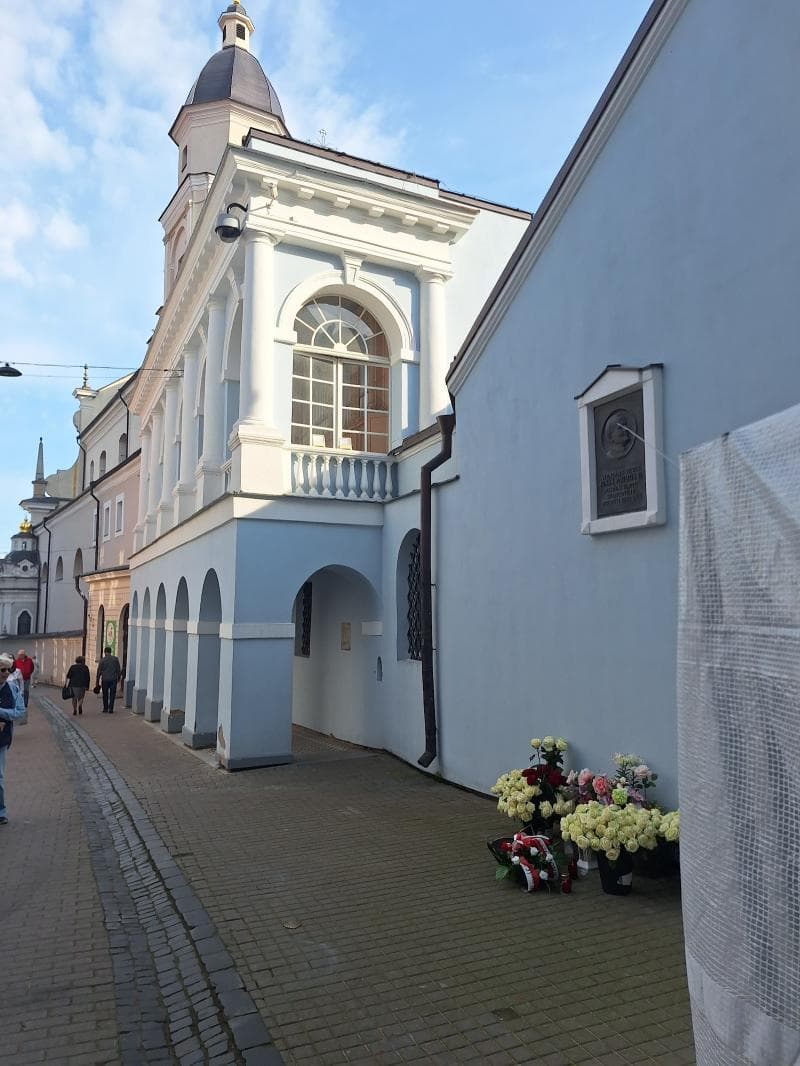
Explore the historic streets surrounding Vilnius's Gate of Dawn, Lithuania. Discover medieval architecture, cultural heritage, and local stories.
Overview
Stepping into the streets surrounding Vilnius's Gate of Dawn is like traversing a living museum, where every cobblestone and ancient facade whispers tales of centuries past. This intricate network of thoroughfares, nestled within the UNESCO-listed Old Town of Vilnius, Lithuania, serves as a captivating gateway to the city's rich history and vibrant culture. Far from being a mere backdrop to the iconic Gate, these streets – including Aušros Vartų, Didžioji, Pilies, and the charming Glass Quarter – are destinations in themselves, offering an immersive journey through architectural epochs and diverse heritage. They invite curious travelers to peel back layers of time, revealing the heart of a city that has gracefully evolved while preserving its profound legacy.
History & Cultural Background
The history of Vilnius's Old Town streets is deeply intertwined with the city's growth from a medieval settlement into a grand capital. The Gate of Dawn, built between 1503 and 1514 as one of nine defensive gates in the city wall, marked a crucial southern entrance. Only the Gate of Dawn remains today, its survival a testament to its enduring religious significance. The street leading directly to it, Aušros Vartų Street, has long been a path for pilgrims and merchants alike.
Nearby, Didžioji Street, meaning 'Great Street', traces its origins back to the medieval era, soon after Vilnius was first documented in 1323. It functioned as the 'Road of the Grand Dukes', linking the city's castles with its merchant quarters and central market. This thoroughfare showcases a remarkable blend of Gothic, Renaissance, Baroque, and Neoclassical architecture, reflecting the city's changing fortunes and artistic influences over centuries.
Pilies Street, or 'Castle Street', first mentioned in 1530, is recognized as one of Vilnius's oldest streets and has historically served as the main artery connecting Cathedral Square to Town Hall Square. It was the route for kings, papal legates, and envoys heading to the castle, and where noblemen and wealthy citizens built their homes. The adjacent Stikliai Street, or 'Glassmakers' Street', along with its surrounding Glass Quarter, holds a poignant history. It was once the vibrant Jewish quarter, a center for commerce and glass manufacturing, with a Goldsmiths' Guild established in 1495.
What Makes It Special
What truly sets these surrounding Old Town streets apart is their unparalleled architectural synthesis and their preserved medieval urban fabric. Unlike many European cities that underwent significant restructuring, Vilnius Old Town retains its radial street pattern and a captivating mix of styles—Gothic, Renaissance, Baroque, and Neoclassical—coexisting harmoniously. This isn't a mere collection of old buildings; it's a dynamic, living space where history breathes through every archway and courtyard.
The concentration of significant landmarks within walking distance of the Gate of Dawn is exceptional. From the sacred Chapel of Our Lady of the Gate of Dawn to the grand Vilnius Town Hall on Didžioji Street and the historic Vilnius University ensemble near Pilies Street, each turn presents another layer of discovery. The streets are not just pathways but destinations, each with its own character and stories, creating a sense of continuous narrative for anyone exploring them.
Stories, Fun Facts & Local Details
The streets around the Gate of Dawn are rich with anecdotes and cultural nuances. For instance, the image of the Blessed Virgin Mary in the Gate of Dawn's chapel, revered by both Catholics and Orthodox faithful, is believed to possess miraculous powers and has attracted pilgrims for centuries. It's one of the few places where the Virgin Mary is depicted without the Infant Jesus.
Pilies Street famously hosts the annual Kaziukas Fair every March, transforming into a bustling market filled with folk artists, crafts, music, and traditional treats. This echoes its medieval role as a central marketplace. The name 'Stikliai' for the Glassmakers' Street literally refers to the glass production that thrived there, and old maps even showed multiple 'Stiklo' streets, underscoring its industrial past. The Jewish Quarter, encompassing Stikliai and neighboring Žydų (Jews') Street, was once so significant that Vilnius earned the moniker 'Jerusalem of the North'. Even Napoleon Bonaparte is said to have used this phrase in 1812, marveling at its vibrant Jewish intellectual life.
Didžioji Street has seen famous figures like Napoleon himself and the writer Stendhal, who resided there briefly in 1812. The very layout of the Old Town, with its seemingly chaotic twists and turns, isn't accidental but rather a product of medieval city planning, shaped by defensive needs and natural contours.
Visitor Perspective
For the curious traveler, exploring these streets is an intimate experience, best undertaken on foot. The uneven cobblestones underfoot are a constant reminder of the centuries that have passed, encouraging a slower pace that allows for observation and immersion. As you ascend Aušros Vartų Street towards the Gate, you feel the gradient of history, culminating in the serene chapel above the archway.
Wandering down Pilies Street, you'll encounter a lively atmosphere with street performers, local artisans selling amber jewelry and linen, and the enticing aromas from cozy cafes. Didžioji Street offers a mix of architectural grandeur and modern life, with boutiques and art galleries housed within historic buildings. Venturing into the quieter, more intimate alleys of the Glass Quarter reveals hidden courtyards, charming boutiques, and the subtle architectural details that hint at a complex past.
Comfortable shoes are highly recommended, as the true magic lies in getting lost in the winding lanes, discovering unexpected glimpses of history, and feeling the pulse of a city that has gracefully carried its past into the present.
Coordinates: 25.28954, 54.67432
View on Google Maps💬 How Travelers Describe This Place
Based on community votes
Unique
623Photogenic
545Interesting
343Beautiful
302Must See
88
Traveler Stories
Discover memorable experiences shared by travelers who have visited this place.
No traveler stories yet.
Be the first traveler to share what made this place memorable.

Tour
By
Spot
Discover amazing places around the world. Your journey starts here.
Explore
© 2026 TourBySpot. All rights reserved.