Surrounding Gardens
Edinburgh, United Kingdom
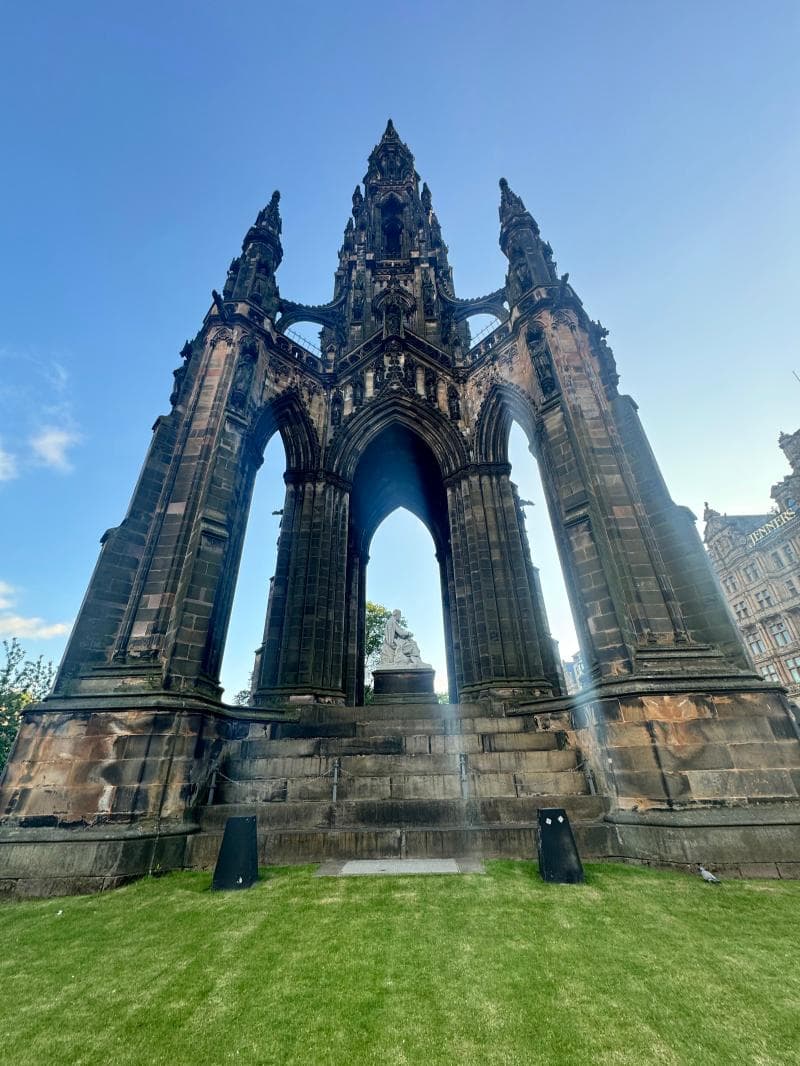
Explore the historic Princes Street Gardens surrounding Edinburgh's iconic Scott Monument. Discover its fascinating past, stunning views, and cultural significance.
Overview
Nestled in the very heart of Edinburgh, United Kingdom, the captivating green expanse known as Princes Street Gardens serves as the picturesque setting for the towering Scott Monument. These beloved gardens are not merely a backdrop; they are an integral part of the city's identity, separating the ancient Old Town from the Georgian elegance of the New Town. As a vibrant public park, they offer a tranquil respite from the urban bustle, inviting both locals and visitors to unwind amidst beautifully manicured landscapes and stunning views. The Scott Monument, a majestic Gothic spire, stands proudly within the East Princes Street Gardens, a testament to Scottish literary genius Sir Walter Scott.
Divided into two main sections by The Mound, an artificial hill hosting the Scottish National Gallery, the East and West Princes Street Gardens each possess their own unique charm and attractions. From the striking architecture of the monument itself to the serene open spaces, these gardens provide a rich tapestry of history, culture, and natural beauty, making them a focal point for exploration and relaxation in Scotland's capital.
History & Cultural Background
The history of Princes Street Gardens is as intriguing as it is transformative, rooted in a dramatic reshaping of Edinburgh's landscape. Prior to their creation, this valley was occupied by the Nor Loch, a notoriously marshy and polluted body of water. From the Middle Ages until the 19th century, the Nor Loch served a dual purpose: as a natural defensive barrier for Edinburgh Castle and, less pleasantly, as a dumping ground for the city's waste and even a site for 'witch ducking' trials.
The decision to drain the Nor Loch began in the 1760s and was largely completed by the 1820s, coinciding with the ambitious development of Edinburgh's New Town. The land was inaugurated as Princes Street Gardens in 1820, marking a pivotal moment in the city's urban planning. This transformation symbolized a move from the crowded, unsanitary conditions of the Old Town to a more open, aesthetically pleasing urban environment. The gardens now lie within Edinburgh's World Heritage Site, acknowledged for their outstanding aesthetic, historical, and architectural significance.
What Makes It Special
What truly sets Princes Street Gardens apart is its unique blend of historical significance, natural beauty, and cultural landmarks. Dominating the eastern section, the Scott Monument is a breathtaking Victorian Gothic masterpiece, reaching over 200 feet into the sky. It is the second-largest monument to a writer in the world and offers unparalleled panoramic views of the city for those who climb its 287 steps.
Beyond the monument, visitors will discover the enchanting Ross Fountain in the West Gardens, a grand cast-iron structure gifted to the city in 1872. Another unique feature is the world's oldest Floral Clock, first planted in 1903. Each year, its intricate design celebrates a different individual or event, requiring some 30,000 plants to bring its artistry to life. The gardens also boast an unrivaled perspective of Edinburgh Castle, majestically perched on Castle Rock, providing countless photo opportunities and a constant reminder of the city's ancient past.
Stories, Fun Facts & Local Details
The journey of Princes Street Gardens from a malodorous loch to a celebrated park is filled with fascinating tales. Imagine a time when the Nor Loch's waters were believed to be a place to test suspected witches or where bodies mysteriously disappeared. The sheer contrast to today's serene environment highlights the profound changes Edinburgh has undergone.
When the West Princes Street Gardens were initially established, they were private and came with a strict set of rules for subscribers, prohibiting dogs, cricket, perambulators, and even smoking. It wasn't until 1876 that the town council reacquired the land to open it to the wider public, marking a significant step towards the inclusive public space it is today. The Scott Monument itself is adorned with 64 statues of characters from Sir Walter Scott's novels, alongside a white marble statue of Scott and his faithful dog, Maida, at its base. These intricate details invite close inspection and offer a deeper connection to Scott's literary legacy. During winter, the East Gardens transform into a magical 'Edinburgh's Christmas' wonderland, complete with market stalls, a Ferris wheel, and an ice skating rink, bringing a festive buzz to the historic setting.
Visitor Perspective
For the curious traveler, exploring the Princes Street Gardens offers a multifaceted experience. It's a place to stroll leisurely, to find a quiet bench and absorb the grandeur of the surrounding architecture, or to enjoy a picnic with the dramatic backdrop of Edinburgh Castle. The gardens are free to enter and open daily from 7 am, with closing times varying seasonally, extending late into summer evenings.
Accessibility is generally good, with most main paths suitable for wheelchairs and pushchairs, though some monuments involve steps. Public toilets and cafes are available in both the East and West Gardens, ensuring comfort during your visit. Whether you're seeking historical insights, a connection to literary heritage, stunning photography opportunities, or simply a peaceful green oasis in a bustling city, Princes Street Gardens provides an unforgettable slice of Edinburgh life. It is a destination that truly encapsulates the spirit and beauty of the Scottish capital.
Coordinates: -3.1932097, 55.952501
View on Google Maps💬 How Travelers Describe This Place
Based on community votes
Beautiful
972Unique
787Must See
720Interesting
85Photogenic
73
Traveler Stories
Discover memorable experiences shared by travelers who have visited this place.
No traveler stories yet.
Be the first traveler to share what made this place memorable.

Tour
By
Spot
Discover amazing places around the world. Your journey starts here.
Explore
© 2026 TourBySpot. All rights reserved.