Surrounding Gardens
Graz, Austria
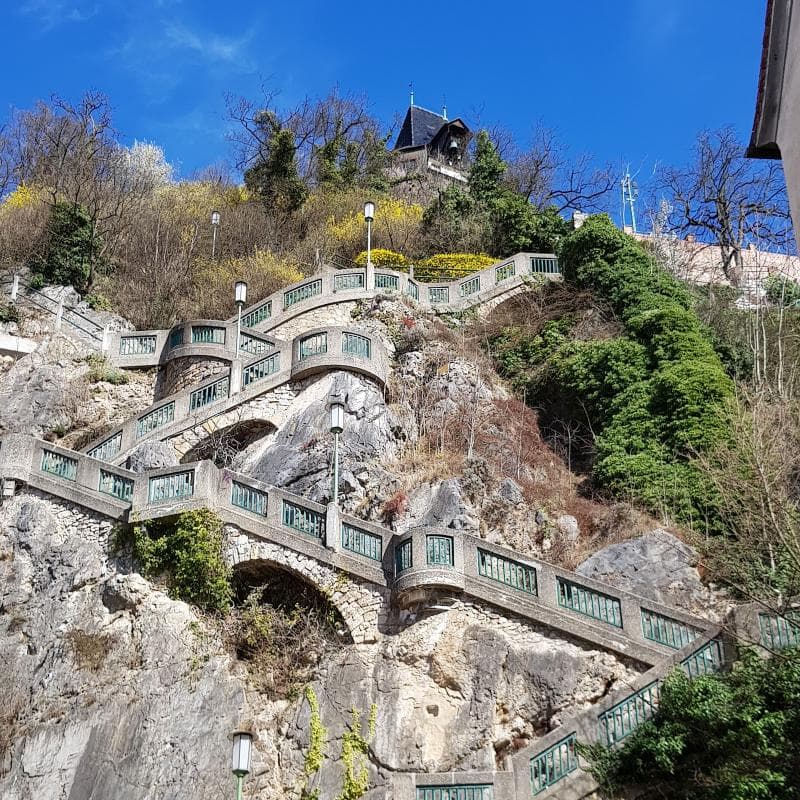
Explore the enchanting Surrounding Gardens of Schlossberg Uhrturm in Graz, Austria. Discover historical parklands, panoramic views, and unique stories.
Overview
Perched majestically above the historic rooftops of Graz, Austria, the Schlossberg hill offers not just a glimpse into the city's past, but also a verdant escape in its 'Surrounding Gardens'. While not a single, formally named garden, this term encompasses the beautiful public parklands, walking trails, and specific horticultural highlights that adorn the Schlossberg, particularly around the iconic Uhrturm (Clock Tower). It is a cherished green heart of the city, providing breathtaking panoramic views and a serene atmosphere for locals and visitors alike. Rising to an elevation of 473 meters above sea level, the Schlossberg is a prominent natural landmark that has shaped Graz for over a thousand years.
Visitors can reach this elevated oasis via several picturesque routes, including a scenic funicular railway, a modern glass lift embedded within the mountain, or by ascending various charming staircases and paths that wind their way up the tree-clad hill. Once at the top, the 'Surrounding Gardens' invite exploration, offering a unique blend of natural beauty, historical remnants, and cultivated green spaces that perfectly frame the city below.
History & Cultural Background
The story of the Schlossberg and its gardens is deeply intertwined with the history of Graz itself. The name 'Graz' derives from the Slavic word 'Gradec', meaning 'small castle', hinting at the hill's ancient defensive importance. Fortifications on the Schlossberg date back to at least the 10th century, with a significant fortress being constructed in the mid-16th century by architects from northern Italy to defend against threats like the Ottoman Empire.
This formidable castle was famously never conquered. However, its military purpose ended tragically in 1809 when Napoleonic forces, under the Treaty of Schönbrunn, largely demolished the fortress. The people of Graz, demonstrating immense civic pride, famously paid a ransom to save the Uhrturm and the Glockenturm (Bell Tower) from destruction, securing their place as enduring symbols of the city. Following this, the remains of the castle were transformed into a public park in 1839 by Ludwig von Welden, turning a site of military might into a place of peace and public enjoyment.
What Makes It Special
What makes the 'Surrounding Gardens' of Schlossberg Uhrturm truly special is their seamless integration of historical significance with natural splendor. As you wander through these parklands, you'll encounter not only lush greenery and shaded paths but also the tangible remnants of the ancient fortress, providing a captivating backdrop to your stroll.
A standout feature is the Herbersteingarten, often affectionately referred to as the 'Hanging Gardens of Graz'. This terraced garden, once a vineyard of the Counts of Herberstein, was transformed and opened to the public in 1931. It boasts Mediterranean plants like lemon, fig, and pomegranate trees, creating a distinctly southern European ambiance and offering splendid views over the city. Another notable area is the Citizens' Bastion (Bürgerbastei), a well-preserved section of the 16th-century fortifications, now adorned with colourful flowers, making it the most floral part of the site. Near the Uhrturm, you might also discover the Chinese Pavilion, built around 1890, offering a picturesque spot for rest and panoramic photography. These diverse garden spaces, alongside the general tree-clad slopes and viewing terraces, contribute to the unique charm of the Schlossberg.
Stories, Fun Facts & Local Details
The Schlossberg is rich with stories and quirky details. The most famous fun fact centers around the Uhrturm itself: its clock hands are 'reversed'. The larger hand indicates the hours, while the smaller one shows the minutes. This unusual design is a relic from a time when only the hour hand was present, needing to be large enough to be seen from afar, with minutes being added later. The Glockenturm houses 'Liesl', the heaviest bell in Graz, which has been ringing over the city for centuries. In the past, the southern slopes of Schlossberg were even used for viticulture, producing the famed Schlossberg wine, a tradition briefly revived in the Herbersteingarten.
The Graz Museum Schlossberg, located within the former fortress grounds, offers a 'Garden of Wonders' where mythical creatures inspired by Graz's heraldry come to life, providing an interactive experience for children and revealing deeper historical narratives. Squirrels, around 45 species of birds, and even lizards basking on old stone walls are common inhabitants, making it an urban nature reserve. The commitment of Graz's citizens to save the Uhrturm and Glockenturm from Napoleon is a testament to the deep affection the city holds for its landmarks.
Visitor Perspective
For the curious traveler, visiting the 'Surrounding Gardens' of Schlossberg Uhrturm is an immersive experience. Whether you choose the challenging but rewarding climb up the 260 steps of the Kriegssteig, a pleasant ride on the Schlossbergbahn funicular, or the swift ascent in the Schlossberglift, each journey offers a prelude to the beauty awaiting at the top.
Once there, the gardens provide numerous pathways for leisurely strolls, leading to various viewpoints that offer unparalleled vistas of Graz's red-tiled rooftops, the Mur River, and the surrounding Styrian landscape. Benches are thoughtfully placed for quiet reflection, and several cafes and restaurants, some with terrace seating, invite visitors to relax and enjoy the scenery with a drink or a meal. The main grounds, including the scenic paths and observation decks, are open 24/7, though transport options have specific operating hours. Early mornings offer tranquility, while sunsets paint the sky in spectacular hues, making any visit memorable.
Coordinates: 15.43722, 47.07611
View on Google Maps💬 How Travelers Describe This Place
Based on community votes
Beautiful
673Photogenic
219Interesting
186Must See
143Unique
80
Traveler Stories
Discover memorable experiences shared by travelers who have visited this place.
No traveler stories yet.
Be the first traveler to share what made this place memorable.

Tour
By
Spot
Discover amazing places around the world. Your journey starts here.
Explore
© 2026 TourBySpot. All rights reserved.