Surrounding Facades
Zagreb, Croatia
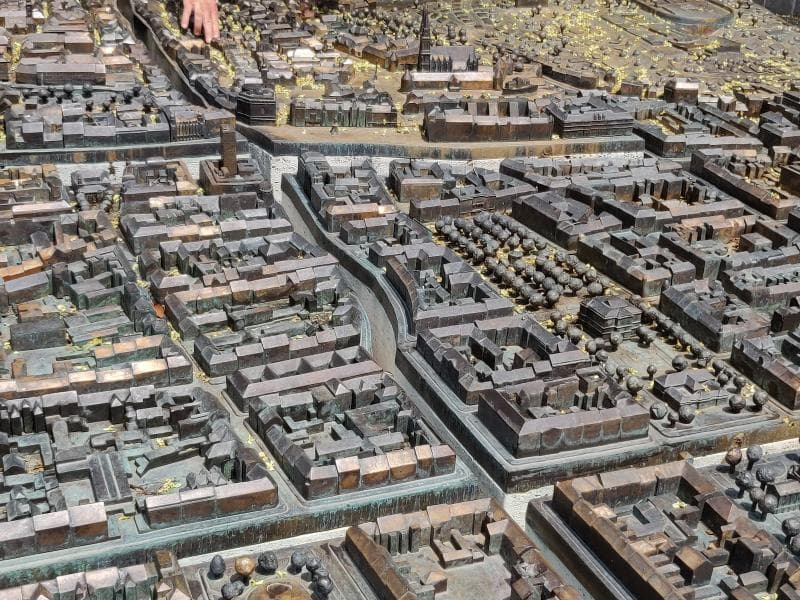
Explore the diverse architectural 'Surrounding Facades' of Ban Jelačić Square in Zagreb, Croatia. Discover history, Art Nouveau, and Biedermeier styles.
Overview
Ban Jelačić Square, locally known as Trg bana Jelačića, stands as the vibrant heart of Zagreb, Croatia's capital. While the square itself is a bustling hub, its true character is defined by the magnificent array of ‘Surrounding Facades’ that frame its perimeter. These architectural marvels are more than mere backdrops; they are a living timeline, showcasing a diverse blend of styles that narrate Zagreb's rich history and cultural evolution. From grand 19th-century buildings to striking examples of Art Nouveau, each facade contributes to the square's unique and dynamic atmosphere.
Visitors are invited to gaze upon this architectural tapestry, where the past and present seamlessly merge. The facades here are not just structures; they are storytellers, reflecting centuries of urban development and artistic expression that make Ban Jelačić Square a focal point for both locals and travelers alike.
History & Cultural Background
The history of Ban Jelačić Square's facades mirrors the transformation of Zagreb itself. What began as an open field and a medieval marketplace, known as Harmica, gradually evolved into the sophisticated urban center we see today.
While some buildings date back to the 17th and 18th centuries, the majority of the prominent facades lining the square were constructed in the 19th and early 20th centuries. This period of intense architectural development saw a shift from traditional forms to more elaborate designs. The square became a showcase for emerging styles as Zagreb grew and modernized, connecting the historic Upper Town (Gradec and Kaptol) with the developing Lower Town.
Culturally, these facades represent an era of significant growth and change within the Habsburg Monarchy, reflecting influences from across Central Europe. They stand as a testament to Zagreb's aspiration to be a modern European capital, while still honoring its historical roots.
What Makes It Special
The ‘Surrounding Facades’ of Ban Jelačić Square are special due to their remarkable architectural diversity and the chronological narrative they present. Unlike a uniform, planned composition, these buildings display an eclectic mix of styles, including 19th-century neo-styles, the elegant simplicity of Biedermeier, the ornate curves of Secession (Art Nouveau), and even touches of modernism and postmodernism.
Among these, the Rado House, built in 1905, stands out as a significant example of Croatian Art Nouveau modernism. It embodies the German concept of 'Gesamtkunstwerk' or 'total work of art', where the architect meticulously considers every detail, from the exterior to the interior. Its harmonious facade and intricate stylistic elements are particularly noteworthy. Another early building is the Felbinger Palace, dating back to 1828. This blend of eras and influences creates a unique visual experience, where each building tells its own story while contributing to the square's overall grandeur and charm.
Stories, Fun Facts & Local Details
The facades around Ban Jelačić Square hold many fascinating stories and local details. One interesting aspect is that the architectural styles are not uniform, reflecting that the square was not a single, planned composition, but rather evolved organically over centuries. This ‘unevenness’ adds to its charm and historical depth.
For instance, the Felbinger Palace, dating to 1828, is considered one of the oldest surviving buildings on the square. Another notable structure, the Feller-Stern House, was once nicknamed Zagreb's first skyscraper, a testament to the city's progress at the turn of the 20th century. Many of these buildings now house cafes and shops at ground level, offering opportunities for locals to engage in 'špica', the beloved Croatian pastime of people-watching and socializing. The various architectural elements, from ornate ironwork to decorative motifs, are often overlooked details that reveal the artistic trends and craftsmanship of their time. Observing these intricate details can transport a curious traveler back to the Austro-Hungarian era, whose influence is strongly palpable in Zagreb's architecture.
Visitor Perspective
For any traveler exploring Ban Jelačić Square, the 'Surrounding Facades' offer a captivating visual journey. Standing in the square, one is immediately enveloped by a symphony of architectural styles that invites closer inspection. Take a moment to walk around the perimeter, observing the intricate details on each building. Notice the distinct differences between the Biedermeier, Art Nouveau, and later modernist designs.
Imagine the lives that unfolded behind these windows over the centuries, from merchants in the Harmica market to the residents and businesses of today. The ground floors, often home to cafes and shops, provide perfect spots to sit, enjoy a coffee, and simply absorb the bustling atmosphere while admiring the historical beauty above. These facades are more than just pretty exteriors; they are the architectural soul of Zagreb, offering a tangible connection to the city's past and present, making every glance an opportunity for discovery.
Coordinates: 15.9772, 45.8131
View on Google Maps💬 How Travelers Describe This Place
Based on community votes
Interesting
836Unique
620Must See
594Photogenic
522Beautiful
83
Traveler Stories
Discover memorable experiences shared by travelers who have visited this place.
No traveler stories yet.
Be the first traveler to share what made this place memorable.

Tour
By
Spot
Discover amazing places around the world. Your journey starts here.
Explore
© 2026 TourBySpot. All rights reserved.