Surrounding Cliffs
Lucerne, Switzerland
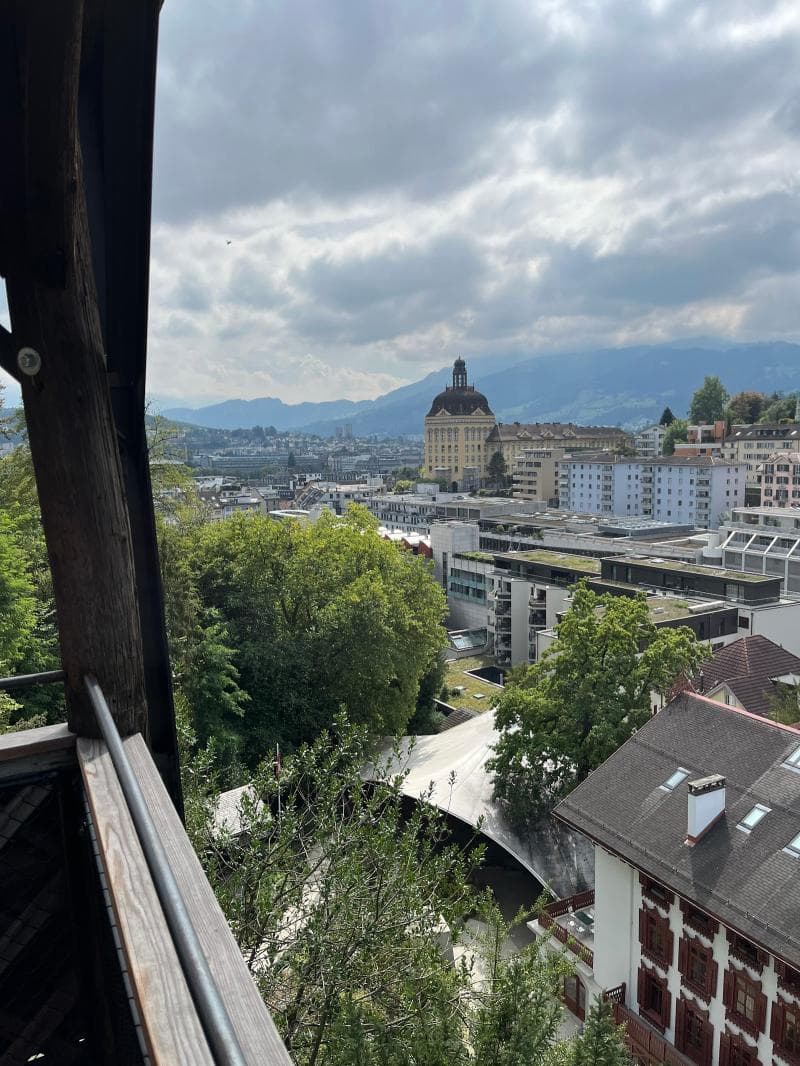
Explore the poignant Surrounding Cliffs of Lucerne's Lion Monument in Switzerland, a powerful rock relief commemorating Swiss Guards.
Overview
Nestled within the picturesque city of Lucerne, Switzerland, the Lion Monument stands as a profoundly moving rock relief, carved directly into the natural sandstone face of what was once a working quarry. This poignant memorial, often referred to as the 'Lion of Lucerne,' is an ode to the Swiss Guards who tragically lost their lives during the French Revolution in 1792. It is not merely a statue, but an integral part of the very landscape, seamlessly merging with the surrounding cliffs from which it was sculpted. The site offers a unique blend of natural beauty and profound historical significance, drawing visitors into a tranquil yet sorrowful reflection.
History & Cultural Background
The story of the Lion Monument begins with a tragic event during the French Revolution. On August 10, 1792, revolutionaries stormed the Tuileries Palace in Paris, leading to the massacre of hundreds of Swiss Guards who were defending King Louis XVI. Karl Pfyffer von Altishofen, an officer on leave in Lucerne, initiated the project to commemorate his fallen comrades. He commissioned the renowned Danish sculptor Bertel Thorvaldsen to design the monument. Thorvaldsen's vision of a mortally wounded lion was then brought to life by the German stonemason Lukas Ahorn between 1820 and 1821, carving it directly into the cliff face. Prior to becoming a memorial site, this natural sandstone wall was a quarry that had provided building materials for Lucerne for centuries, making the very stone of the monument deeply connected to the city's past.
What Makes It Special
What truly distinguishes the Lion Monument and its surrounding cliffs is the harmonious integration of art and nature, creating an immersive and powerful experience. The colossal dying lion, measuring ten meters in length and six meters in height, is not placed upon a pedestal but is an organic extension of the rock itself. This direct carving into the living rock creates a natural frame, emphasizing the solemnity and raw emotion of the scene. The chosen material, sandstone, lends a timeless quality to the sculpture, with its textures and hues contributing to the overall mournful atmosphere. A small, serene pond at the base reflects the monument, further enhancing the contemplative mood and the feeling of the lion resting in a grotto within the cliffs.
Stories, Fun Facts & Local Details
The Lion Monument holds many fascinating layers of history and local lore. Famously, the American author Mark Twain declared it 'the most mournful and moving piece of stone in the world' in his 1880 travelogue, 'A Tramp Abroad,' a sentiment echoed by countless visitors since. Interestingly, the first sculptor assigned to the task, Pankraz Eggenschwyler, tragically fell from the scaffolding and died during the initial stages of the carving, leading to Lukas Ahorn taking over. The Latin inscription above the lion, 'HELVETIORUM FIDEI AC VIRTUTI,' translates to 'To the loyalty and bravery of the Swiss,' encapsulating the monument's core message. Below the sculpture, the names of the fallen officers and the numbers of those who died and survived are etched into the rock, serving as a direct and solemn roll call. There was also some initial political controversy, with some Swiss liberals viewing the monument as glorifying a conservative, monarchist viewpoint rather than true Swiss nationalism.
Visitor Perspective
For visitors, the 'Surrounding Cliffs' are more than just a geological feature; they are an integral part of the Lion Monument's profound impact. Approaching the site, one is struck by the tranquility of the park, a carefully landscaped 'English garden' that replaced the former industrial quarry. The cliffs create a sense of enclosure, separating the visitor from the bustling city and fostering an intimate connection with the memorial. The gentle trickle of water into the pond in front of the lion adds to the contemplative ambiance. Many find themselves pausing, reflecting on the historical sacrifices and the universal themes of loyalty, courage, and loss depicted in the lion's dying gaze. The sheer scale of the carving within the natural rock face evokes a sense of awe and solemnity, making the experience deeply personal and unforgettable. It is a place where history feels tangible, etched forever into the very heart of the Lucerne landscape.
Coordinates: 8.31056, 47.05833
View on Google Maps💬 How Travelers Describe This Place
Based on community votes
Interesting
886Photogenic
564Beautiful
443Must See
310Unique
233
Traveler Stories
Discover memorable experiences shared by travelers who have visited this place.
No traveler stories yet.
Be the first traveler to share what made this place memorable.

Tour
By
Spot
Discover amazing places around the world. Your journey starts here.
Explore
© 2026 TourBySpot. All rights reserved.