Surrounding Cafes
Belgrade, Serbia
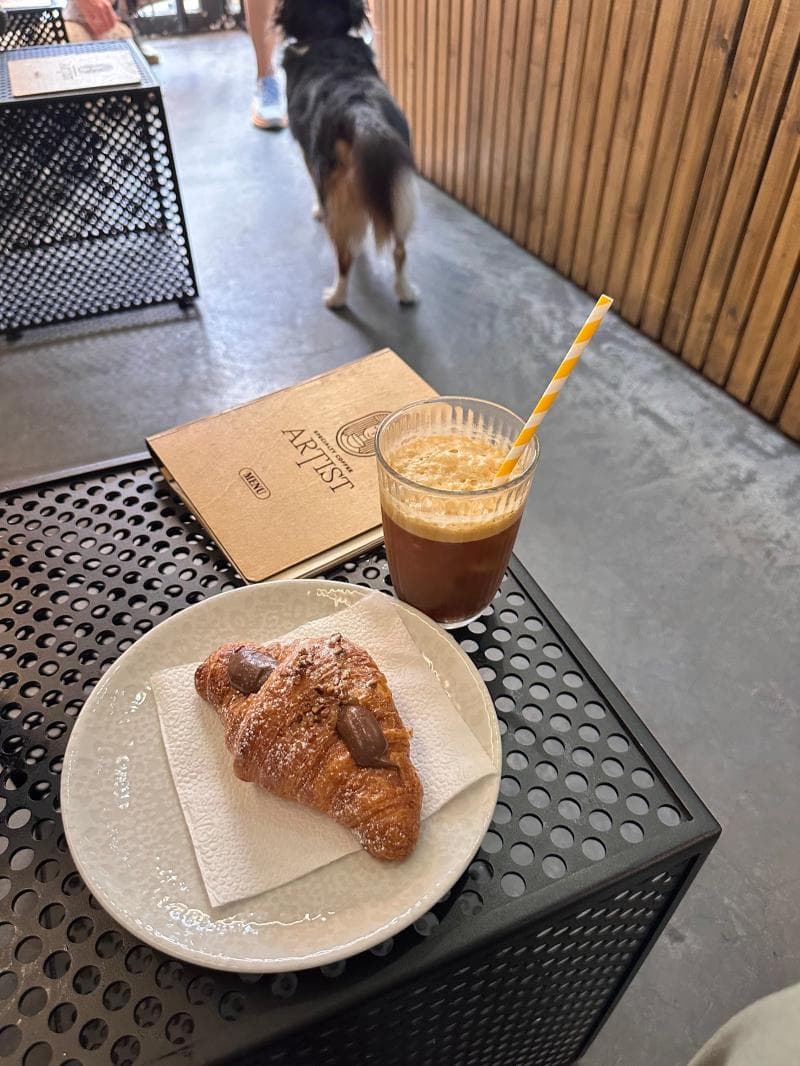
Discover the vibrant cafe culture surrounding Republic Square in Belgrade, Serbia. Explore historical kafanas and modern coffee shops, enjoy local life, and savor Serbian coffee traditions.
Overview
Republic Square, or Trg Republike, stands as the vibrant heart of Belgrade, Serbia, a bustling central hub where the city's pulse is most keenly felt. It is not merely a monumental space but a living, breathing social center, particularly notable for the array of cafes that gracefully encircle its perimeter and spill into the adjacent pedestrian streets. These establishments are integral to the square's character, offering a continuous tableau of local life and a welcoming respite for visitors. As a popular meeting point, the square, with its surrounding cafes, embodies the confluence of history, culture, and daily routines that define Belgrade.
History & Cultural Background
The history of Belgrade's cafe culture is deeply intertwined with its Ottoman past, with the first 'kafana' (traditional coffeehouse) in Europe reportedly opening in Belgrade in 1522, long before such establishments appeared in cities like London or Vienna. These early kafane were initially simple coffee shops but evolved over centuries into central social and commercial hubs. Republic Square itself played a significant role in this evolution. Before the modern National Museum stood there, the site was home to the renowned 'Dardaneli' kafana, established in 1855. This legendary spot became the focal point for Belgrade's bohemian circles, a beloved gathering place for actors, writers, and artists who would spend their evenings discussing, singing, and enjoying the city's urban spirit until the early hours. Though the Dardaneli was demolished in 1903, its legacy as a cultural touchstone continues to resonate, shaping the square's identity as a place of intellectual and social exchange.
What Makes It Special
What makes the cafes surrounding Republic Square truly special is their ability to blend historical significance with contemporary charm. They are more than just places to grab a drink; they are institutions that reflect the Serbian way of life. Coffee in Belgrade is not merely a routine but a cherished ritual, a social affair where patrons linger for hours, engaging in conversation or simply observing the world go by. This enduring cafe culture means that whether you seek a traditional 'turska kafa' (Turkish coffee) or a modern espresso, you are participating in a long-standing tradition. The variety is remarkable, ranging from historic kafane with their old-world ambiance to trendy, modern coffee shops catering to diverse tastes. Many cafes feature outdoor seating, providing perfect vantage points for people-watching, which is a favorite pastime for locals and visitors alike.
Stories, Fun Facts & Local Details
A fascinating local detail is how deeply ingrained coffee is in daily communication; in Belgrade, the phrase 'let's get a coffee' often serves as an invitation to simply meet and chat, rather than strictly implying the consumption of coffee itself. The area immediately surrounding Republic Square and extending into streets like Knez Mihailova and Obilićev Venac is a treasure trove of such establishments. Obilićev Venac Street, for example, is noted for its array of small cafes. Nearby, the bohemian quarter of Skadarlija, though a short walk, offers another historical glimpse into Belgrade's cafe scene with its unique, often gypsy-themed bars and traditional venues that were once havens for artists and poets. Modern cafes like Kafeterija Magazin 1907 or those from the widespread Kafeterija chain often occupy beautifully renovated old buildings, blending historic architecture with contemporary design, sometimes even serving as popular spots for remote workers. This blend of past and present ensures a unique experience around every corner.
Visitor Perspective
For a curious traveler, the cafes around Republic Square offer an authentic immersion into Belgrade's social fabric. Stepping into one of these establishments means becoming part of the city's rhythm, whether it's for a quiet morning coffee, a lively afternoon discussion, or an evening drink. The accessibility of these cafes makes them ideal starting points for exploring Belgrade's key landmarks—the National Museum, the National Theatre, and the monument to Prince Mihailo are all just steps away. The atmosphere is generally welcoming, inviting visitors to settle in and savor the moment. Many offer not just coffee but also local pastries, light meals, and often spirits like 'rakija.' Enjoying a coffee al fresco, observing the dynamic interplay of locals and tourists, provides a genuine feel for Belgrade's vibrant, hospitable character. It's an experience that highlights the city's appreciation for social connection and leisurely enjoyment.
Coordinates: 20.460111, 44.816444
View on Google Maps💬 How Travelers Describe This Place
Based on community votes
Unique
445Interesting
416Must See
289Beautiful
141Photogenic
33
Traveler Stories
Discover memorable experiences shared by travelers who have visited this place.
No traveler stories yet.
Be the first traveler to share what made this place memorable.

Tour
By
Spot
Discover amazing places around the world. Your journey starts here.
Explore
© 2026 TourBySpot. All rights reserved.