Surrounding Bazaar Streets
Sarajevo, Bosnia and Herzegovina
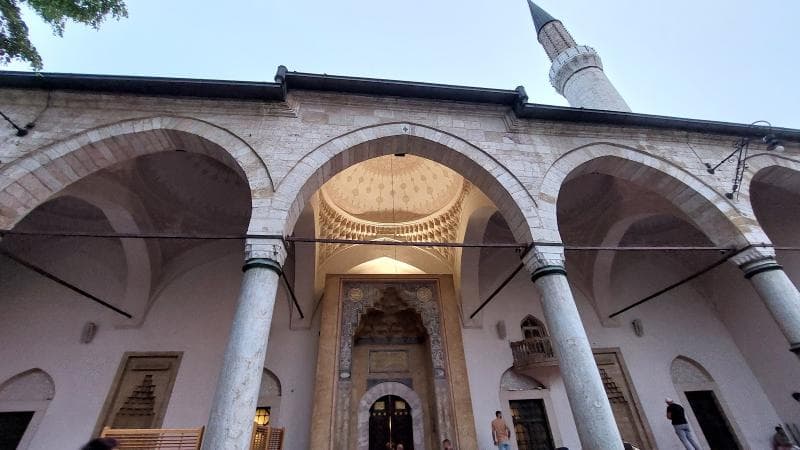
Explore the vibrant Surrounding Bazaar Streets of Gazi Husrev-beg Mosque in Sarajevo, Bosnia and Herzegovina, the historical heart of the city.
Overview
Nestled in the heart of Sarajevo's historic Baščaršija district, the area known as the 'Surrounding Bazaar Streets' of the Gazi Husrev-beg Mosque is more than just a marketplace; it is the vibrant soul of the city. This sub-spot represents the enduring legacy of Ottoman influence, where centuries of trade, craftsmanship, and cultural exchange have shaped the very fabric of Sarajevo. The grand Gazi Husrev-beg Mosque, a magnificent example of 16th-century Ottoman architecture, stands as a spiritual and architectural anchor, around which these bustling streets organically grew. Visiting these streets offers a sensory journey, immersing travelers in a rich tapestry of history, sounds, and aromas, deeply intertwined with the mosque's profound presence. It is a place where every cobblestone whispers tales of a bygone era, yet remains vibrantly alive in the present.
History & Cultural Background
The story of these surrounding bazaar streets is inextricably linked to Gazi Husrev-beg, the Ottoman governor who, in the 16th century, transformed Sarajevo into a prominent urban center. Recognizing the strategic importance of trade and education, Gazi Husrev-beg established a vast waqf (endowment) that included not only the majestic mosque in 1531 but also a madrasah (Islamic school), a hammam (public bath), a bezistan (covered marketplace), and numerous shops. These endowments laid the economic and social foundations for the city's growth, with the bazaar streets emerging as the commercial engine of Sarajevo. The Baščaršija, meaning 'main bazaar' in Turkish, flourished, with streets often dedicated to specific crafts. This intricate urban planning ensured the sustainable development of Sarajevo, cementing its status as a vital crossroads of cultures and trade routes under Ottoman rule.
What Makes It Special
What makes the Surrounding Bazaar Streets particularly special is their seamless integration with the Gazi Husrev-beg Mosque, forming a living historical complex. The mosque's courtyard, with its serene fountain, acts as a tranquil oasis amidst the lively marketplace, offering a moment of reflection. The streets themselves are a testament to traditional Bosnian craftsmanship. Historically, each street specialized in a particular trade, from coppersmiths crafting intricate wares to goldsmiths and leatherworkers. While some trades have evolved, the spirit of artisanry persists, with many shops still offering handmade souvenirs, silver filigree, and local crafts. The Gazi Husrev-beg Bezistan, a covered marketplace also part of the original endowment, stands as a remarkable example of Ottoman commercial architecture, continuing its function as a vibrant trading hub.
Stories, Fun Facts & Local Details
Sarajevo's bazaar streets are rich with stories. One fascinating detail is that Gazi Husrev-beg's vision was so comprehensive that his endowments supported a soup kitchen, providing meals to those in need for centuries. This enduring legacy of charity highlights the profound social impact of his initiatives beyond mere commerce. Another intriguing fact is that the Gazi Husrev-beg Mosque was reportedly the first mosque in the world to receive electricity and electric illumination in 1898, during the Austro-Hungarian period, showcasing a blend of ancient tradition and modern innovation. The area also boasts the iconic Sebilj fountain in Baščaršija Square, a pseudo-Ottoman wooden fountain that has become a recognizable symbol of Sarajevo, inspiring poets and visitors alike. The dedication of streets to specific guilds, such as 'Zlatarska' (Goldsmith's Street) or 'Kazandžiluk' (Coppersmiths' Street), speaks volumes about the organized and specialized nature of trade during the Ottoman era, fostering a strong sense of community among craftsmen.
Visitor Perspective
For a curious traveler, exploring the Surrounding Bazaar Streets of the Gazi Husrev-beg Mosque is an immersive experience. The narrow, cobblestone alleys invite leisurely strolls, where the scent of Bosnian coffee mingles with the subtle aroma of spices and freshly worked metal. Visitors can observe artisans at work, perpetuating centuries-old traditions, or pause at a traditional cafe to savor the unique Bosnian 'ćejf,' a personal ritual of pleasure and savoring life. When visiting the mosque itself, respectful attire is essential, including covered shoulders and knees for all, and a head covering for women, as it remains an active place of worship. Removing shoes before entering the prayer hall and maintaining silence are also customary. This area truly allows one to step back in time, offering an authentic glimpse into Sarajevo's enduring Ottoman heritage and the vibrant community life that continues to thrive around its spiritual heart. The constant flow of people, from locals going about their daily lives to tourists captivated by the atmosphere, creates a dynamic and unforgettable scene.
Coordinates: 18.429028, 43.85917
View on Google Maps💬 How Travelers Describe This Place
Based on community votes
Must See
1.0kPhotogenic
804Interesting
563Beautiful
100Unique
63
Traveler Stories
Discover memorable experiences shared by travelers who have visited this place.
No traveler stories yet.
Be the first traveler to share what made this place memorable.

Tour
By
Spot
Discover amazing places around the world. Your journey starts here.
Explore
© 2026 TourBySpot. All rights reserved.