Surrounding Arcades
Lisbon, Portugal
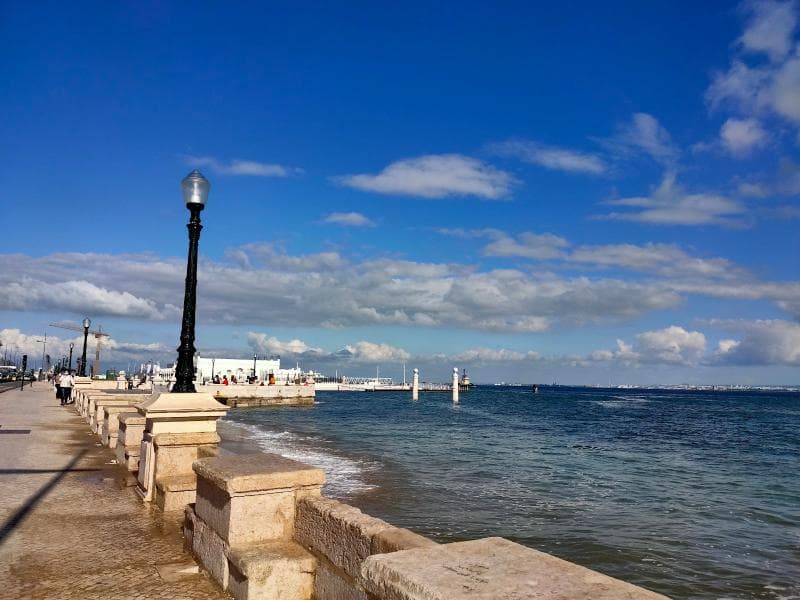
Explore the historic Surrounding Arcades of Praça do Comércio in Lisbon, Portugal, a symbol of resilience and a hub of culture and commerce.
Overview
Nestled along the Tagus River in Lisbon, Portugal, the Surrounding Arcades of Praça do Comércio form an integral part of one of Europe's most majestic squares. This grand, U-shaped plaza, also known as Terreiro do Paço (Palace Yard), is a vibrant focal point, commanding an expansive 30,600 to 36,000 square meters. Its distinctive lemon-meringue façades, adorned with elegant archways, wrap around three sides, creating a stately frame that opens dramatically towards the river.
These arcades are far more than mere architectural features; they represent Lisbon's enduring spirit and serve as a living testament to its rich history. Once the bustling nerve center for Portugal's maritime trade, they now house a diverse array of establishments, from government ministries to charming cafes, restaurants, and cultural institutions like the Lisboa Story Centre. Visitors can stroll beneath their cool, shaded passages, enjoy street musicians, or simply absorb the historical ambiance that permeates every corner of this iconic space. The arcades, along with the entire Praça do Comércio, serve as a grand gateway to the city, offering stunning views and a direct connection to Lisbon's past and present.
History & Cultural Background
Before the devastating 1755 earthquake, the site of Praça do Comércio was home to the grand Ribeira Palace, the royal residence for centuries. The catastrophic earthquake, followed by a tsunami, tragically destroyed the palace and much of Lisbon's Baixa district, erasing vast historical records and more than 30,000 lives.
In the aftermath, the Marquis of Pombal spearheaded an ambitious reconstruction project, envisioning a new Lisbon built on Enlightenment principles of order and symmetry. The Praça do Comércio was central to this vision. Designed by architects Eugénio dos Santos and Carlos Mardel, the new square was conceived as a monumental public space, consciously turning its back on the traditional royal palace model and instead embracing commerce. The surrounding buildings, with their uniform Pombaline architecture and ground-floor arcades, were designed to house government bureaus, customs offices, and port authorities, symbolizing Lisbon's renewed focus on trade and its role as an imperial power. The name 'Praça do Comércio' was a clear statement of this new function, though locals often still refer to it by its older name, 'Terreiro do Paço' (Palace Yard), preserving the memory of its royal past.
What Makes It Special
The Surrounding Arcades of Praça do Comércio are special not just for their architectural beauty, but for the profound narrative they embody. They are a tangible representation of Lisbon's remarkable resilience, a city that literally rose from the ashes of one of history's most devastating natural disasters. The meticulously planned U-shaped design, with its elegant arcades, was revolutionary for its time, creating a ceremonial entrance to the city for those arriving by sea, a role it maintains to this day.
The uniform, ochre-colored buildings, with their neoclassical archways, exemplify Pombaline architecture, a style characterized by its earthquake-resistant construction and rational urban planning. Within these arcades, the pulse of Lisbon's commercial and cultural life continues to beat. From housing the oldest cafe in Lisbon to hosting the official Lisbon Tourism office and the immersive Lisboa Story Centre, the arcades offer both a functional space and a historical journey. They provide shade from the Lisbon sun and shelter from the occasional rain, creating a welcoming pedestrian environment that invites exploration and contemplation.
Stories, Fun Facts & Local Details
The arcades have witnessed centuries of Lisbon's history unfold. One famous inhabitant under the eastern arcade is Martinho da Arcada, Lisbon's oldest cafe, which has been serving traditional Portuguese food since 1782 and was a favorite haunt of the renowned poet Fernando Pessoa.
While the entire Praça do Comércio is a stage for history, it has also been the scene of dramatic national events. Notably, in 1908, the square was the tragic setting for the assassination of King Carlos I and his heir, Luís Filipe, an event that played a significant role in the fall of the monarchy.
Visitors might also notice the intricate details of the square's design. The Cais das Colunas, a grand marble staircase leading down to the Tagus, served as a noble entrance for dignitaries, with Queen Elizabeth II disembarking here in 1957. The impressive equestrian statue of King José I, unveiled in 1775 and crafted by Joaquim Machado de Castro, was the first monumental public statue in Portugal. The square's buildings were even briefly painted pink after the 1910 Revolution, before returning to their current yellow hue.
Visitor Perspective
For a curious traveler, wandering through the Surrounding Arcades of Praça do Comércio is an immersive experience. They offer a unique blend of architectural grandeur and everyday life. Ducking into the cool shade of the arches, you might encounter street musicians filling the air with melodies, or discover a cozy cafe perfect for people-watching. The arcades frame magnificent views of the Tagus River to the south and the iconic Rua Augusta Arch to the north, which itself offers panoramic views from its observation deck.
A visit to the Lisboa Story Centre, conveniently located under the arcades, provides invaluable historical context, bringing the city's defining moments, including the 1755 earthquake and subsequent reconstruction, vividly to life. Beyond the historical and cultural offerings, the arcades are simply a pleasant place for a leisurely stroll, offering numerous photographic opportunities, especially during sunset when the light bathes the yellow façades in a warm glow. The presence of the official Lisbon Tourism office also makes the arcades a practical starting point for exploring the rest of this captivating city.
Coordinates: -9.13649, 38.707616
View on Google Maps💬 How Travelers Describe This Place
Based on community votes
Unique
965Interesting
629Must See
443Beautiful
184Photogenic
176
Traveler Stories
Discover memorable experiences shared by travelers who have visited this place.
No traveler stories yet.
Be the first traveler to share what made this place memorable.

Tour
By
Spot
Discover amazing places around the world. Your journey starts here.
Explore
© 2026 TourBySpot. All rights reserved.