Sunset Viewpoint
Sarajevo, Bosnia and Herzegovina
Discover the Yellow Fortress, Sarajevo's best sunset viewpoint. Explore its history, cultural significance, and breathtaking panoramic views of the city. A must-visit spot in Bosnia and Herzegovina.
Overview
Perched majestically on Jekovac Hill, just above the bustling old town of Baščaršija in Sarajevo, Bosnia and Herzegovina, lies the Yellow Fortress, locally known as Žuta Tabija. This historic bastion has earned its reputation as the city's premier ‘Sunset Viewpoint’ and is often affectionately referred to as 'Sarajevo's balcony'. It offers an unparalleled panoramic spectacle of the city, especially as the sun dips below the horizon, painting the sky in fiery hues and illuminating the cityscape below. The fortress is easily accessible, typically a scenic 15-minute uphill walk from the old town, making it a beloved spot for both residents and curious travelers seeking an authentic Sarajevo experience. There is no entrance fee, allowing everyone to partake in this timeless tradition of watching the city unfold before their eyes.
History & Cultural Background
The Yellow Fortress was constructed between 1727 and 1739 as an integral part of the defensive walls encircling Vratnik, the historic walled city of Sarajevo. Its primary purpose was to fortify Sarajevo against potential attacks, particularly from Austro-Hungarian forces. Alongside other bastions and walls, it formed a protective ring around the Ottoman-era town. The fortress played a significant defensive role during the Austro-Hungarian occupation of Sarajevo in 1878. While its strategic military importance waned over time, its cultural significance has only deepened. Most notably, the Yellow Fortress is central to a centuries-old Ramadan tradition. Each evening during the holy month, a ceremonial cannon is fired from the fortress at sunset, signaling the end of the day's fast (iftar). This practice, banned during the Yugoslav era, was joyfully reintroduced in 1992 and continues to be a cherished event, drawing crowds who gather to observe this profound cultural moment.
What Makes It Special
The true magic of the Yellow Fortress lies in its breathtaking panoramic views. From this vantage point, visitors are treated to an expansive tableau of Sarajevo's unique urban fabric. The sprawling old town, with its distinctive red-tiled rooftops, countless minarets piercing the sky, the prominent cathedral, and the lively Baščaršija bazaar, all spread out below like an intricate tapestry. Beyond the city, the surrounding mountains frame the scene, creating a dramatic backdrop that changes with the seasons. As sunset approaches, the light transforms, casting a golden glow over the valley and causing the city lights to twinkle into existence. This shift from day to night, accompanied by the traditional cannon fire during Ramadan and the echoing calls to prayer from multiple mosques, creates an atmosphere of profound beauty and spiritual resonance. It is a place where five centuries of history can be observed in a single glance, offering a unique perspective on Sarajevo's layered past and vibrant present. The Yellow Fortress, built from distinctive yellow stone, hence its name, holds a special place in the hearts of locals as a spot for quiet contemplation, social gatherings, and romantic moments.
Stories, Fun Facts & Local Details
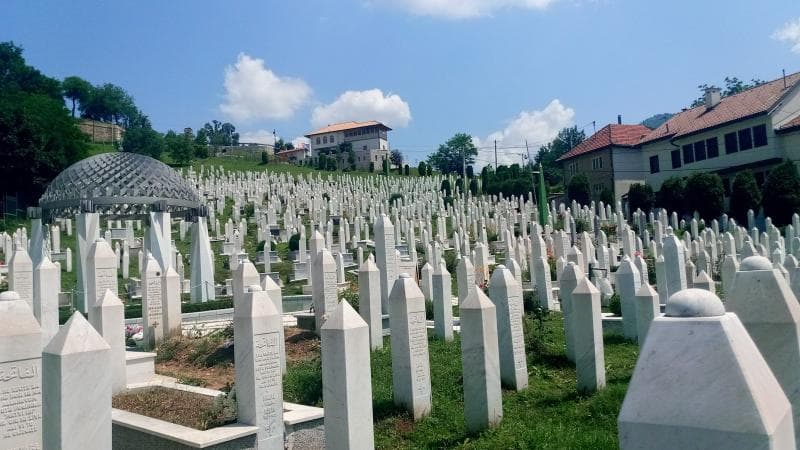
Beyond its grand views, the Yellow Fortress is rich in local lore and communal spirit. The tradition of the Ramadan cannon, for instance, is not merely a historical remnant but a living, breathing part of Sarajevo's identity. It transforms the viewpoint into a community hub where locals gather, often with coffee or beer, to share conversations and anticipate the moment of the cannon blast that signifies the breaking of the fast. Many Sarajevans consider it one of the most romantic spots in the city, a place where countless first dates and proposals have unfolded against the backdrop of a spectacular sunset. Just a short distance from the fortress lies the Martyrs' Memorial Cemetery Kovači, a poignant site dedicated to Bosnian soldiers who sacrificed their lives during the 1992-1995 siege of Sarajevo. This proximity adds another layer of emotional depth to a visit, reminding travelers of the city's resilience. The collective sound of the muezzins' calls to prayer, resonating from the various mosques as dusk settles, is a truly magical and unforgettable auditory experience that complements the visual feast.
Visitor Perspective
Visiting the Sunset Viewpoint at Yellow Fortress is an experience that resonates deeply with travelers. The ascent from Baščaršija, though steep, is a rewarding journey through charming streets, culminating in an expansive vista that makes every step worthwhile. It is highly recommended to arrive at least 30 minutes before sunset to secure a good spot, as the area can fill with eager onlookers. Despite being an open-air historical site, it can get noticeably cooler at this elevation, even in summer, so bringing a light jacket is a practical tip often shared by seasoned visitors. What sets this viewpoint apart is its uncommercialized nature; there are no gift shops or tourist traps, just an ancient crumbling fortress wall and the unadulterated beauty of the city spread beneath. This creates an intimate and authentic encounter, allowing visitors to connect with Sarajevo in a truly meaningful way, much like the locals have done for centuries.
Coordinates: 18.437741, 43.86148
View on Google Maps💬 How Travelers Describe This Place
Based on community votes
Interesting
998Beautiful
817Unique
711Photogenic
641Must See
19
Traveler Stories
Discover memorable experiences shared by travelers who have visited this place.
No traveler stories yet.
Be the first traveler to share what made this place memorable.

Tour
By
Spot
Discover amazing places around the world. Your journey starts here.
Explore
© 2026 TourBySpot. All rights reserved.