Sultan’s Loge
Istanbul, Turkey
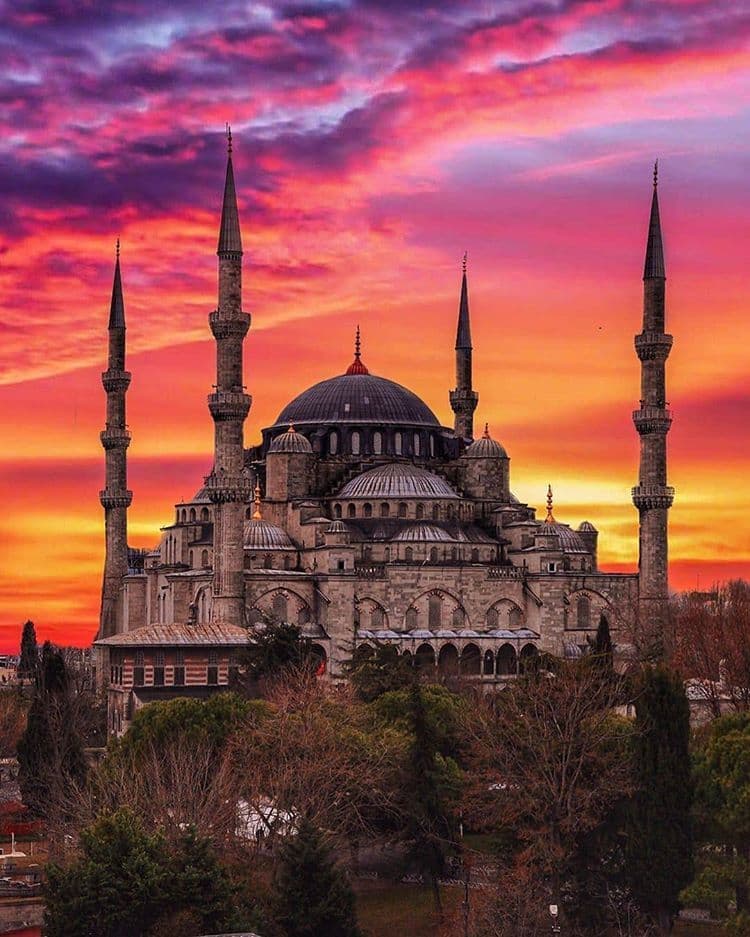
Explore the Sultan’s Loge, the private imperial sanctuary within Istanbul, Turkey's iconic Blue Mosque, revealing Ottoman history and artistry.
Overview
Nestled within the breathtaking Blue Mosque, a jewel of Istanbul's historic skyline, lies a remarkable and often-overlooked sub-spot: the Sultan’s Loge. Known by several names, including the Hünkâr Kasrı or Hünkâr Mahfili, this exquisite private space served as an exclusive sanctuary for the reigning Ottoman Sultan. Situated in the upper gallery, typically in the southeast corner of the mosque, it offered the Sultan a vantage point from which to participate in prayers while maintaining a discreet separation from the general congregation. It is a testament to the intricate social hierarchy and elaborate imperial customs of the Ottoman Empire, blending spiritual devotion with stately privacy. For any traveler exploring the majestic Blue Mosque, understanding the story and purpose of the Sultan’s Loge adds another layer of appreciation to this architectural marvel, revealing a more personal glimpse into the life of its imperial patrons.
History & Cultural Background
The Blue Mosque, officially known as the Sultan Ahmed Mosque (Sultanahmet Camii), was commissioned by the young Sultan Ahmed I and constructed between 1609 and 1617 by the architect Sedefkar Mehmet Agha. Its creation was an ambitious project, intended to rival the grandeur of the nearby Hagia Sophia and reassert Ottoman prestige after military setbacks. Unlike many imperial mosques, which were often funded by war spoils, the Blue Mosque was financed directly from the Ottoman treasury, a significant undertaking for its time.
Within this monumental structure, the Sultan’s Loge was an integral part of the mosque's original design, reflecting the Ottoman sultans' need for both spiritual engagement and security. This private chamber allowed the Sultan to perform his daily prayers and attend Friday sermons without being directly among the populace, a practice common in imperial mosques. Historically, this loge wasn't just a place of worship; it was also a place of strategic importance. Notably, in 1826, during the suppression of the rebellious Janissary Corps, these retiring rooms within the royal kiosk became the temporary headquarters for the Grand Vizier, highlighting its role beyond mere religious observance. The loge embodies a rich cultural context, symbolizing the intertwined nature of religious and political authority during the Ottoman era.
What Makes It Special
The Sultan’s Loge is distinguished by its unique architectural features and lavish decoration, setting it apart from other parts of the mosque. It is typically supported by ten elegant marble columns, adding a sense of regality and structural sophistication. Within this elevated section, the Sultan had his own mihrab, a prayer niche indicating the direction of Mecca, distinct from the main mihrab of the mosque. This private mihrab was once adorned with exquisite details, including a jade rose and gilding, and featured a hundred Qur'ans displayed on inlaid and gilded lecterns, emphasizing the spiritual devotion and opulence of the imperial household.
Beyond its functional purpose, the loge serves as a microcosm of the Blue Mosque's overall artistic splendor. While the entire mosque is famous for its more than 20,000 handmade Iznik tiles, predominantly in blue hues featuring floral motifs, the Sultan's Loge often showcases some of the finest examples of these ceramics, along with stained glass and intricately carved wood. The design, including its rich dome, was crafted not just for prayer, but to be an intimate, regal space within the grand mosque. It represents the pinnacle of Ottoman craftsmanship and architectural foresight, ensuring both the Sultan’s spiritual observance and his dignified presence.
Stories, Fun Facts & Local Details
One of the most captivating aspects of the Sultan’s Loge is the silent stories it tells of imperial life. Imagine Sultan Ahmed I, a young ruler who embarked on this ambitious project at only 19 years old, retreating to this private space. He would have sought solace and guidance here, away from the demanding affairs of state, yet still very much a part of the spiritual heart of his empire. It is said that Sultan Ahmed I was so eager for his magnificent creation to be completed that he sometimes assisted in the construction work himself, dying just a year after its completion at the young age of 27. His personal connection to the mosque, and by extension to his private loge, was profound.
Another local detail often highlighted is how easily this significant spot can be missed by hurried visitors. Many tourists are captivated by the main prayer hall's vastness and the shimmering blue tiles, overlooking the elevated imperial gallery in the southeast. Moving towards this corner early in a visit is often recommended to truly appreciate this secluded yet central feature. The elaborate decoration and separate entry points underscore the immense power and status of the Ottoman Sultan, who was both a temporal ruler and the spiritual leader of his people.
Visitor Perspective
For the curious traveler, discovering the Sultan’s Loge offers a profound connection to the historical and cultural heart of the Blue Mosque. It provides a unique perspective, allowing one to imagine the reverence and majesty that surrounded the Ottoman sultans. To stand near this elevated platform is to witness a blend of privacy and prominence, a feature designed for one of the most powerful figures of his time. Observing its intricate details – the marble columns, the delicate tile work, and the distinct mihrab – helps to contextualize the immense craftsmanship and thoughtful design that went into every aspect of the Blue Mosque.
While the main prayer hall engulfs visitors with its expansive beauty and thousands of Iznik tiles, the Sultan's Loge offers a moment of reflection on the personal spiritual journey of a sultan. It’s a subtle yet powerful reminder that even amidst imperial grandeur, there was a designated space for personal contemplation and devotion. Taking the time to locate and appreciate the Hünkâr Mahfili enriches the overall experience, providing a deeper understanding of the traditions, power dynamics, and artistic achievements of the Ottoman Empire. It helps transform a general visit into a truly immersive historical journey, guiding one through the layers of meaning embedded within this iconic Istanbul landmark.
Coordinates: 28.9768, 41.0054
View on Google Maps💬 How Travelers Describe This Place
Based on community votes
Must See
684Beautiful
363Photogenic
302Unique
250Interesting
88
Traveler Stories
Discover memorable experiences shared by travelers who have visited this place.
No traveler stories yet.
Be the first traveler to share what made this place memorable.

Tour
By
Spot
Discover amazing places around the world. Your journey starts here.
Explore
© 2026 TourBySpot. All rights reserved.