Sulfur Bathhouses
Tbilisi, Georgia
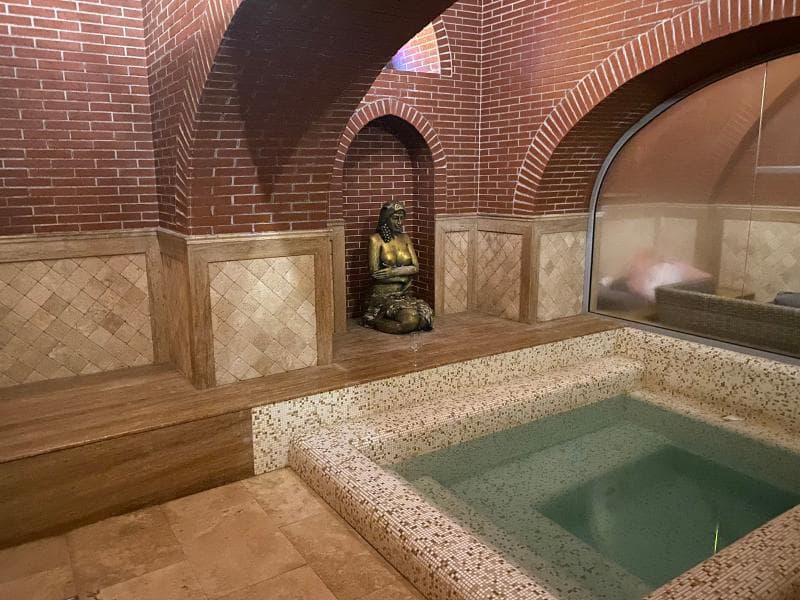
Discover the historic Sulfur Bathhouses in Abanotubani, Tbilisi, Georgia. Explore ancient traditions, unique architecture, and the therapeutic mineral waters.
Overview
Nestled in the heart of Tbilisi, Georgia, the Abanotubani district is famously known for its historic Sulfur Bathhouses, a cornerstone of the city's identity and culture. This ancient quarter, whose name 'Abanotubani' literally translates to 'bath district', is instantly recognizable by its distinctive brick domes that emerge from the ground, signaling the subterranean thermal springs below. These bathhouses are not merely places for bathing; they represent the very origin of the Georgian capital, with the city's name 'Tbilisi' itself deriving from the Old Georgian word 'tbili', meaning 'warm place', a direct homage to these natural geothermal waters.
For over 1,500 years, both locals and travelers have sought out these mineral-rich hot springs, turning a visit to Abanotubani into one of the most authentic experiences in Georgia's capital. The area, situated on the eastern bank of the Mtkvari River at the foot of Narikala Fortress, continues to be a vibrant hub where ancient traditions blend seamlessly with contemporary life.
History & Cultural Background
The story of Tbilisi and its Sulfur Bathhouses is deeply intertwined, beginning with a captivating legend. According to Georgian lore, King Vakhtang Gorgasali was out hunting in the 5th century when his falcon chased a pheasant, and both birds fell into a natural hot spring. Impressed by the warm, mineral-rich waters, the king ordered a city to be built on that very spot, naming it Tbilisi. This mythical founding underscores the profound historical significance of the baths.
By the 13th century, Abanotubani flourished into a bustling bathing district, reportedly boasting over 65 bathhouses. Throughout history, these baths served as crucial social and cultural centers. They were not just for hygiene; women would visit to assess potential daughters-in-law, and business deals were often struck amidst the steamy atmosphere. As a significant stop on the Old Silk Road, the bathhouses also became a meeting point for travelers and traders, contributing to the city's cultural exchange.
The bathhouses have attracted renowned visitors over the centuries, including literary giants like Alexander Pushkin in the 1820s and Alexandre Dumas in 1858, both of whom left enthusiastic accounts of their experiences, praising the therapeutic and luxurious aspects of the Tbilisi baths.
What Makes It Special
The Sulfur Bathhouses of Abanotubani are unique in their architectural design and the natural properties of their waters. Unlike many other bathhouses globally, Tbilisi's are built largely underground, with their distinctive brick dome structures protruding from the earth like molehills. These domes serve a dual purpose: they allow natural light to filter into the bathing rooms below and provide ventilation for the sulfuric steam to escape, maintaining a unique and historic ambiance.
The waters feeding these bathhouses are naturally heated to temperatures ranging from 38-40°C (100-104°F), sometimes reaching up to 45°C, sourced from geothermal springs running beneath the city. The high sulfur content gives the water its characteristic 'rotten egg' smell, but more importantly, it is believed to confer numerous health benefits. People have attributed healing properties to these mineral-rich waters for centuries, suggesting relief for various skin conditions such as eczema, psoriasis, and acne, thanks to sulfur's natural anti-inflammatory and antimicrobial qualities. The warmth and minerals are also thought to soothe sore muscles and stiff joints, potentially aiding those with arthritis and general aches.
Stories, Fun Facts & Local Details
Beyond their physical attributes, the Sulfur Bathhouses are steeped in a rich tapestry of local stories and traditions. The communal aspect of the baths was historically profound; they were places where families gathered, gossip was exchanged, and vital social connections were forged. It was not uncommon for women to use the bathhouses as a setting to observe and evaluate potential daughters-in-law, a fascinating insight into past social customs.
A must-try experience for many visitors is the 'kisi' scrub, a vigorous exfoliation performed by a 'mekise' (bath attendant). This intense scrub, using a special exfoliating glove, is renowned for leaving the skin incredibly soft and smooth, though it can be quite intense. The architecture itself tells stories, with many bathhouses featuring intricate mosaics, tiles, and brickwork, some dating back centuries. The most visually striking is arguably Chreli Abano, also known as Orbeliani Baths, with its stunning blue-tiled facade showcasing Persian-influenced design, which some visitors initially mistake for a mosque due to its elaborate appearance.
Visitor Perspective
Today, while fewer than a dozen bathhouses remain from the historical count of 65, the tradition is very much alive. Visitors to Abanotubani can choose from a range of experiences, from communal public baths, which are typically more utilitarian and frequented by locals, to private rooms. These private rooms offer varying levels of luxury, often featuring a hot pool, shower, and sometimes a sauna or cold plunge, making for a more intimate experience.
The bathing ritual usually involves a relaxing soak in the hot sulfur water, often followed by the traditional scrub and a massage. Booking in advance, especially for the more popular or private rooms, is highly recommended, particularly for bathhouses like Chreli Abano, which are favorite among tourists. The experience offers a unique journey through time, allowing travelers to partake in a cultural ritual that has defined Tbilisi for over a millennium.
Coordinates: 44.810997, 41.688124
View on Google Maps💬 How Travelers Describe This Place
Based on community votes
Interesting
926Unique
646Photogenic
482Beautiful
380Must See
291
Traveler Stories
Discover memorable experiences shared by travelers who have visited this place.
No traveler stories yet.
Be the first traveler to share what made this place memorable.

Tour
By
Spot
Discover amazing places around the world. Your journey starts here.
Explore
© 2026 TourBySpot. All rights reserved.