Street Performers Area
Barcelona, Spain
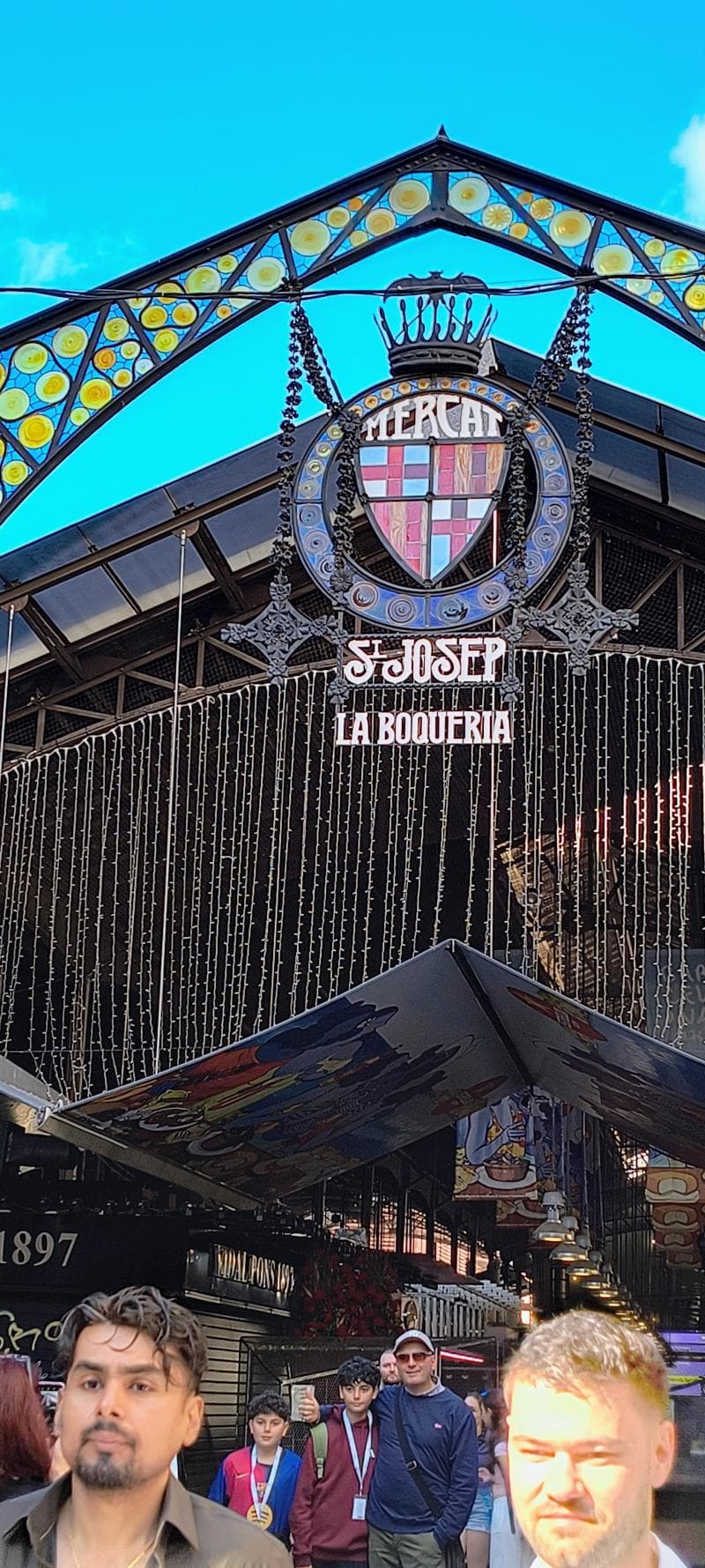
Discover the vibrant Street Performers Area of La Rambla, Barcelona, Spain. Explore its history, unique acts, and cultural significance.
Overview
La Rambla in Barcelona, Spain, is more than just a tree-lined boulevard; it is a dynamic stage where the city's pulse beats strongest, particularly through its iconic street performers. This bustling pedestrian artery, stretching from Plaça de Catalunya to the Columbus Monument at Port Vell, has long been synonymous with lively artistic expression. The 'Street Performers Area,' while not a single confined space, is rather an ever-present, vibrant thread woven throughout various sections of La Rambla, drawing locals and travelers alike into a world of impromptu spectacle. It’s a place where you can stroll along, captivated by living statues, skilled caricaturists, and diverse musicians, each contributing to the promenade's unique, effervescent atmosphere. This area encapsulates a significant part of Barcelona's cultural identity, offering a memorable and distinctly Catalan experience.
History & Cultural Background
The tradition of street performing on La Rambla dates back to at least the late 19th century, evolving as the promenade itself transformed over centuries. Originally a sewage-filled streambed in the Middle Ages, La Rambla was gradually urbanized and reimagined as a grand avenue connecting the city center to the sea. Its central sections, like the Rambla dels Caputxins, were among the first to be converted into pedestrian walkways, naturally attracting artists and entertainers. Over time, this daily parade of talent became an integral part of Barcelona's character. The street borders the historic Gothic Quarter and El Raval, placing it at the crossroads of ancient history and vibrant contemporary life. It's a place where history intertwines with spontaneous art, creating a living museum of Barcelona's cultural narrative.
What Makes It Special
What sets the Street Performers Area of La Rambla apart is its sheer diversity and the surprising professionalism found amidst the open-air setting. You might encounter human statues meticulously adorned in elaborate costumes and make-up, portraying historical figures like Galileo or fantastical creatures, remaining motionless for extended periods before startling passersby with a subtle movement. Elsewhere, painters and caricaturists capture likenesses with remarkable speed, while musicians fill the air with Spanish guitar melodies or contemporary sounds. The interaction is often direct and personal; a small coin dropped into a hat can prompt a bow from a living statue or a quick performance just for you. This direct engagement, combined with the backdrop of historic buildings and bustling market stalls, creates an atmosphere of immersive, accessible art that is both authentic and captivating. The city even regulates these performances, with artists applying for licenses and being assigned specific spots and times, ensuring a curated yet organic artistic presence.
Stories, Fun Facts & Local Details
The Spanish poet Federico García Lorca famously declared La Rambla 'the only street in the world which I wish would never end,' a sentiment that perfectly captures its enduring allure and the magnetic pull of its street artists. One of the most intriguing aspects is the dedication of the human statues; their elaborate transformations can take hours, and they endure uncomfortable positions for long stretches, relying on their ability to intrigue and seduce the public. While the types of performers have diversified, from traditional mimes to modern rappers, the core appeal remains the unexpected encounter with talent. There was even a time when human statues had more freedom regarding their spots, but a 2019 municipal ordinance limited them to 12 designated 'stations' primarily in the Rambla Santa Mònica area, operating in shifts. This highlights the ongoing dynamic between artistic freedom and urban management on this iconic street.
Visitor Perspective
For the curious traveler, experiencing the street performers on La Rambla is an essential part of a Barcelona visit. While the street can be crowded, especially during peak tourist season, taking the time to pause and observe is highly rewarding. Walk slowly, allow yourself to be drawn into the performances, and appreciate the artistry on display. Many performers rely on tips for their livelihood, so if you enjoy a performance or wish to take a photograph, a small contribution is a customary and appreciated gesture. The best concentration of human statues is often found towards the lower end of La Rambla, near the Columbus Monument, in the Rambla de Santa Mònica section. Be aware that artists today face challenges such as city regulations and shifting public interest, making their dedication to their craft even more remarkable. The Street Performers Area offers a genuine connection to Barcelona's creative spirit, inviting you to witness art unfolding in real-time, under the open sky.
Coordinates: 2.17306, 41.38139
View on Google Maps💬 How Travelers Describe This Place
Based on community votes
Photogenic
996Unique
494Interesting
193Beautiful
125Must See
82
Traveler Stories
Discover memorable experiences shared by travelers who have visited this place.
No traveler stories yet.
Be the first traveler to share what made this place memorable.

Tour
By
Spot
Discover amazing places around the world. Your journey starts here.
Explore
© 2026 TourBySpot. All rights reserved.