Street Exhibits
Berlin, Germany
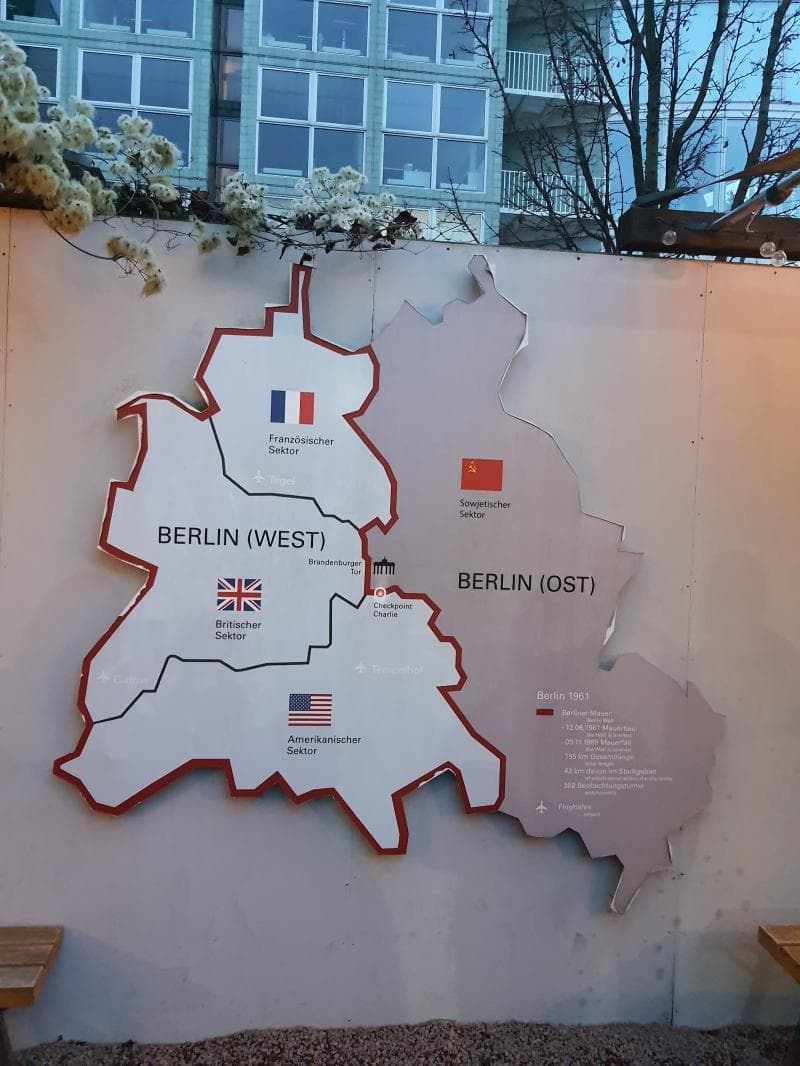
Explore the powerful street exhibits at Checkpoint Charlie, Berlin, Germany. Discover the history and stories of this iconic Cold War site.
Overview
The street exhibits surrounding Checkpoint Charlie in Berlin, Germany, offer a powerful open-air journey into the heart of the Cold War. Far more than just a historical marker, this area serves as a significant memorial and educational site, providing visitors with a tangible connection to the city's divided past. While the iconic guardhouse at Checkpoint Charlie is a replica, the surrounding street exhibits—including information panels, photo galleries, and remnants of the Berlin Wall—narrate the profound human stories and geopolitical tensions that defined this critical border crossing. The Berlin Wall Foundation is actively working to develop a more permanent and comprehensive outdoor exhibition, aiming to deepen the educational experience and highlight the international impact of the Berlin Wall.
These freely accessible displays line the streets around the intersection of Friedrichstraße and Zimmerstraße, the historical location of Checkpoint Charlie. They present a sober and historically informed perspective, often featuring remarkable photographs and details about the Cold War era and the Wall's impact on Berliners.
History & Cultural Background
Checkpoint Charlie was the most famous crossing point between East and West Berlin during the Cold War, a period lasting from 1947 to 1991. Established by the Western Allies, it was designated primarily for Allied military personnel, foreign tourists, and diplomats. Its strategic location at the junction of Friedrichstraße, Zimmerstraße, and Mauerstraße made it a highly visible and tense frontier. The construction of the Berlin Wall in August 1961 dramatically escalated tensions, culminating in a famous standoff between American and Soviet tanks at Checkpoint Charlie in October 1961. This incident, sparked by a dispute over the inspection of a US diplomat's travel documents, underscored the fragility of peace and the immediate threat of global conflict. Beyond the political drama, Checkpoint Charlie became a symbol of desperate escape attempts from East Berlin to the West. Many stories of both failed and successful flights for freedom are intertwined with its history, with individuals risking everything to cross this heavily fortified border.
What Makes It Special
What makes the street exhibits at Checkpoint Charlie truly special is their ability to transform an ordinary urban landscape into an immersive historical classroom. Unlike a traditional museum with enclosed spaces, these open-air displays integrate the narratives of division and freedom directly into the urban fabric where these events unfolded. The exhibition 'Crossing the Iron Curtain,' for example, directly highlights the history of Checkpoint Charlie through its outdoor presentation. This approach allows for a direct, contextual understanding, literally walking visitors through the geographical and historical lines of demarcation. The panels, often featuring historical photographs and detailed accounts, ensure that the site's profound significance is not lost amidst its contemporary commercial surroundings. They serve as a crucial counterpoint to the commercialism that has developed around the site, guiding visitors to reflect on the authentic human experience of living in a divided city.
Stories, Fun Facts & Local Details
Checkpoint Charlie was officially known as Checkpoint C, with 'Charlie' coming from the NATO phonetic alphabet, following Checkpoint Alpha (at Helmstedt-Marienborn) and Checkpoint Bravo (at Dreilinden-Drewitz). It gained worldwide fame, not only as a flashpoint of the Cold War but also as the setting for numerous spy thrillers and novels, like 'The Spy Who Came In From The Cold' and even a James Bond film. One poignant story associated with the checkpoint is the tragic death of Peter Fechter in August 1962. Shot by East German border guards while attempting to escape, he lay bleeding in the 'death strip' for nearly an hour before being retrieved, a stark reminder of the brutality of the border. His death became a symbol of the Wall's inhumanity. Today, while the original guardhouse is preserved at the Allied Museum in Berlin-Zehlendorf, the replica at the site, complete with sandbags, allows visitors to visualize the checkpoint's appearance during its active years.
Visitor Perspective
For the curious traveler, the street exhibits at Checkpoint Charlie offer a unique and accessible way to engage with a pivotal chapter of 20th-century history. The open-air nature means these exhibits are freely accessible at all times, allowing for flexible exploration. Walking through the site, one can gain a sense of the former division and visualize the daily realities and anxieties of Berliners living on opposite sides of the Wall. The information panels provide essential context, transforming what might otherwise seem like a busy intersection into a place of profound historical reflection. It's an opportunity to connect with the past on a deeply personal level, understanding the Cold War not just as a geopolitical conflict but as a series of individual struggles and triumphs. The ongoing development of a new memorial site and outdoor exhibition by the Berlin Wall Foundation promises an even richer and more engaging experience for future visitors, ensuring Checkpoint Charlie remains a vital place of remembrance and education.
Coordinates: 13.3903913, 52.5074434
View on Google Maps💬 How Travelers Describe This Place
Based on community votes
Photogenic
830Must See
696Beautiful
466Interesting
410Unique
136
Traveler Stories
Discover memorable experiences shared by travelers who have visited this place.
No traveler stories yet.
Be the first traveler to share what made this place memorable.

Tour
By
Spot
Discover amazing places around the world. Your journey starts here.
Explore
© 2026 TourBySpot. All rights reserved.