Stone Statue Courtyard
Jakarta, Indonesia
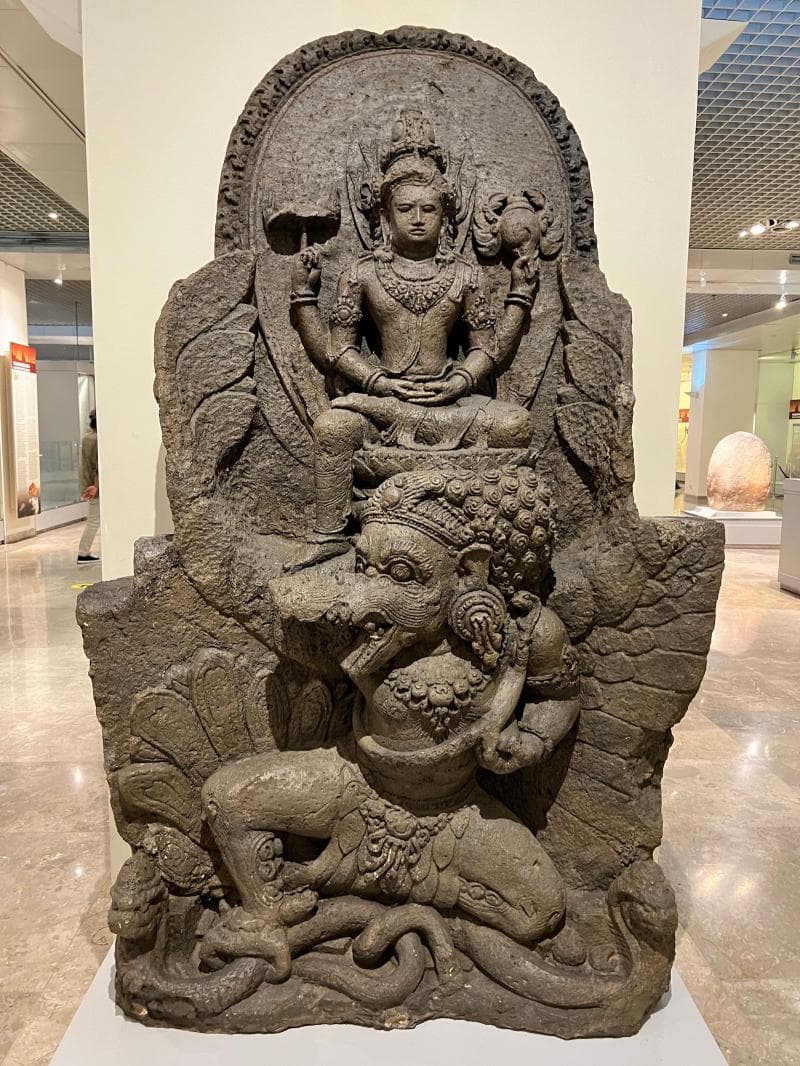
Explore the Stone Statue Courtyard at the National Museum of Indonesia, Jakarta. Discover ancient Hindu-Buddhist sculptures and rich history.
Overview
Stepping into the Stone Statue Courtyard of the National Museum of Indonesia in Jakarta is like journeying through time, where silent stone figures bear witness to centuries of Indonesian history and spiritual devotion. This open-air gallery, also known as the peristyle or inner courtyard, is a central and captivating feature of the museum, providing a tranquil haven amidst the bustling capital city. It showcases a remarkable collection of ancient stone sculptures, primarily from the classical Hindu-Buddhist period, offering profound insights into the rich cultural tapestry of the archipelago.
The National Museum, often affectionately referred to as 'Gedung Gajah' (Elephant Building) or 'Gedung Arca' (Statue Building), houses an expansive array of artifacts that collectively tell the story of Indonesia. The Stone Statue Courtyard, with its impressive display, serves as an invaluable introduction to the early artistic and religious expressions that shaped the nation.
History & Cultural Background
The origins of the National Museum of Indonesia trace back to 1778, with the establishment of the Bataviaasch Genootschap van Kunsten en Wetenschappen (Batavian Society of Arts and Sciences) by Dutch intellectuals. The museum officially opened its doors in 1868, gradually accumulating a vast collection that now stands as one of the most comprehensive in Southeast Asia.
The stone statues within the courtyard primarily hail from Indonesia's classical Hindu-Buddhist period, spanning from approximately the 4th to the 15th centuries. These artifacts were meticulously collected from various regions, including Java, Sumatra, Bali, and Borneo, and were originally placed in temple alcoves or the main rooms of ancient shrines. Early sculptures, particularly those from the 4th to 10th centuries, exhibit clear influences from East Indian artistry. Sculptors during this era often drew inspiration from the Indian Silpasastra, a text dictating precise aesthetic rules for deities. However, Indonesian artisans, while adopting certain features like lotus-shaped eyes or arched eyebrows, generally adapted these guidelines, allowing for a more distinct local flavor to emerge. By the Majapahit era (14th and 15th centuries), a uniquely 'Indonesian' style had fully blossomed, reflecting a profound synthesis of foreign influences and indigenous interpretations.
What Makes It Special
What sets the Stone Statue Courtyard apart is the sheer scale and diversity of its collection, presenting a panorama of ancient Indonesian spiritual beliefs and artistic prowess. Visitors encounter a captivating array of figures, from benevolent Hindu deities like Shiva, Vishnu, and Ganesha, to serene Buddhist Bodhisattvas such, as Avalokiteshvara. Many sculptures also represent ancestral figures, kings, queens, and mythical creatures, illustrating the complex belief systems prevalent in ancient Indonesian societies.
The materials used for these timeless creations vary, predominantly volcanic andesite, but also include sandstone and limestone, especially for pieces from East Java dating to the 14th and 15th centuries. Each stone, with its unique texture and color, adds another layer to the narrative of ancient craftsmanship. The statues' intricate details, from elaborate headdresses to symbolic hand gestures, invite close observation and quiet contemplation, providing a tangible connection to the spiritual world of past civilizations.
Stories, Fun Facts & Local Details
Beyond its formal name, the National Museum is often known as Gedung Gajah, a nickname derived from the bronze elephant statue prominently displayed in its forecourt. This iconic statue was a gift from King Chulalongkorn of Siam (Thailand) in 1871, a symbol of friendship and cultural exchange. Its alternative moniker, Gedung Arca, or 'Statue Building,' directly references the museum's extensive collection of sculptures, especially those found in the courtyard.
Among the courtyard's many treasures, you might find statues believed to depict historical figures. For instance, a colossal 4.5-meter statue of Bhairawa from Sumatra is thought by some to be a representation of King Adityavarman. This blending of divine and human representation highlights the unique religious and political landscape of ancient Indonesia. The courtyard itself, with its Doric columns, provides a remarkably serene escape, a quiet space for visitors to reflect on the ancient world away from the city's hustle and bustle. For a deeper understanding, the museum also offers free guided tours in several languages, led by knowledgeable volunteers.
Visitor Perspective
For any curious traveler, the Stone Statue Courtyard offers a profound and accessible window into Indonesia's profound cultural heritage. It allows one to encounter centuries of art, religion, and history in a single, immersive setting. Instead of traveling across the vast archipelago to see these remnants of ancient kingdoms, here they are, carefully preserved and thoughtfully displayed.
Walking among these silent sentinels, one can appreciate the artistic skill and spiritual depth of ancient Indonesian civilizations. It's an opportunity to connect with the past, to imagine the rituals and beliefs that once animated these stone figures. The courtyard is not just a display of artifacts; it's a journey through the foundational layers of Indonesian identity, offering a peaceful and educational experience that enriches any visit to Jakarta. The information panels, usually provided in both Bahasa Indonesia and English, help guide this exploration, making the ancient stories accessible to a global audience.
Coordinates: 106.8217, -6.1761
View on Google Maps💬 How Travelers Describe This Place
Based on community votes
Photogenic
836Must See
287Interesting
255Beautiful
231Unique
86
Traveler Stories
Discover memorable experiences shared by travelers who have visited this place.
No traveler stories yet.
Be the first traveler to share what made this place memorable.

Tour
By
Spot
Discover amazing places around the world. Your journey starts here.
Explore
© 2026 TourBySpot. All rights reserved.