Statues
Vilnius, Lithuania
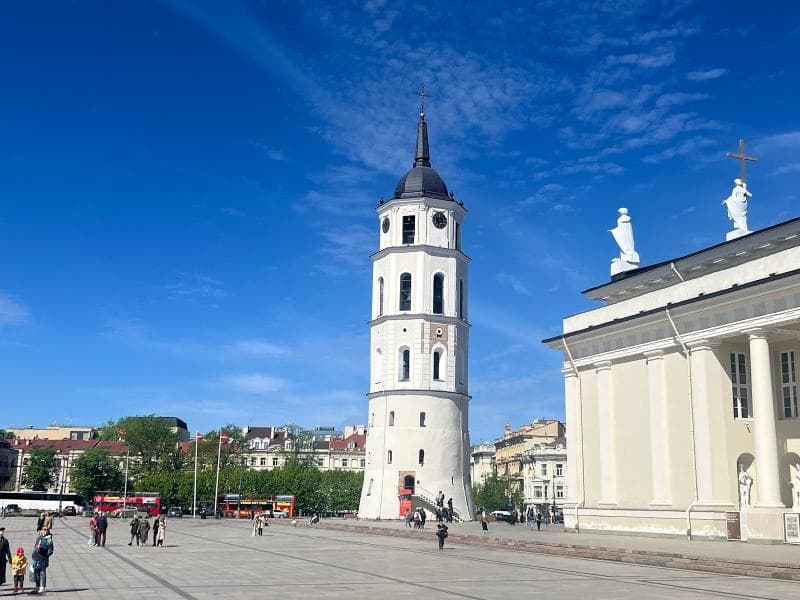
Explore the historic statues of Vilnius Cathedral in Vilnius, Lithuania. Discover their Neoclassical artistry, symbolic meanings, and fascinating history.
Overview
The statues adorning Vilnius Cathedral are far more than mere decorative elements; they are silent storytellers of Lithuania's profound history, unwavering faith, and artistic evolution. From the grand figures gracing its roofline to the intricate details within its chapels, these sculptures provide a visual narrative that complements the Cathedral's Neoclassical splendor. They invite visitors to delve deeper into the layers of cultural and religious significance embedded within this iconic landmark in Vilnius, Lithuania.
Standing proudly, the sculptures embody the vision of architect Laurynas Gucevičius, who redesigned the Cathedral in the late 18th century. His intent was for the building's solemnity and importance to be accentuated by an abundance of sculptural art. The statues, executed by notable sculptors such as Tommaso Righi and Kazimierz Jelski, showcase a blend of artistic styles that have shaped the Cathedral's unique aesthetic over centuries. Each figure contributes to the sacred atmosphere, drawing the eye and engaging the imagination of those who pass by or enter its hallowed halls.
History & Cultural Background
The history of the statues at Vilnius Cathedral is intrinsically linked to the building's numerous transformations. The Cathedral itself has been rebuilt several times throughout its long existence, enduring fires, wars, and shifting political landscapes. The current Neoclassical appearance, largely completed by Laurynas Gucevičius by 1801, marked a significant period of artistic embellishment. Gucevičius explicitly intended the Cathedral to be highlighted by a wealth of sculptures, reflecting the grandeur and significance he envisioned for Lithuania's most important church.
During this ambitious reconstruction, prominent Italian sculptor Tommaso Righi was commissioned to create many of the facade's sculptures and reliefs. Simultaneously, Kazimierz Jelski was responsible for the three monumental statues placed atop the roof: Saint Stanislaus, Saint Helena, and Saint Casimir. These figures were installed between 1786 and 1792, becoming defining features of the Cathedral's exterior. Tragically, in 1950, during the Soviet occupation, these significant roof statues were removed and destroyed as part of the regime's efforts to suppress religious expression. It was not until 1997, after Lithuania regained its independence, that they were faithfully restored by sculptor Stanislovas Kuzma, returning a crucial part of the Cathedral's identity.
What Makes It Special
What truly sets the statues of Vilnius Cathedral apart is their profound ability to encapsulate centuries of Lithuanian history and spirituality within their sculpted forms. They represent a remarkable fusion of artistic periods, primarily Neoclassical elegance on the exterior, with remnants of Baroque exuberance in certain interior elements.
The comprehensive sculptural program, envisioned by Gucevičius, ensures that every angle of the Cathedral offers a visual feast. From the intricate narrative reliefs on the tympanum depicting Noah's sacrifice by Tommaso Righi, to the powerful figures of Abraham, Moses, and the Four Evangelists in the facade niches, each piece tells a story. Furthermore, the five relief sculptures by Righi illustrating scenes from the Acts of the Apostles add a dynamic spiritual dimension to the exterior, enriching the visitor's understanding of Christian theology. The survival and eventual restoration of the roof statues after decades of Soviet oppression underscore the enduring spirit of Lithuanian heritage and faith, making their presence deeply symbolic and emotionally resonant.
Stories, Fun Facts & Local Details
The symbolism embedded in the principal roof statues offers a fascinating glimpse into the historical and political landscape of the time. The statue of Saint Casimir traditionally symbolized Lithuania, its patron saint. Saint Stanislaus often represented Poland, reflecting the long-standing Polish-Lithuanian Commonwealth. The central figure of Saint Helena, holding a nine-meter golden cross, was believed to symbolize the True Cross, a powerful emblem of Christianity. However, some interpretations suggest Saint Helena might also have represented Russia's dominance during certain periods.
Beyond the facade, other statues hold unique histories. On the southern exterior of the Cathedral, visitors can observe seven Rococo statues of holy rulers. These captivating sculptures, created in 1754, were not originally made for the Cathedral but were relocated here in 1832 from the Church of St. Casimir after it was closed to Catholics. Similarly, five Rococo-style sculptures of Jesuit saints on the northern exterior also found their home here after being moved from the Church of St. Casimir, where they were made between 1754 and 1768. Inside the Chapel of Saint Casimir, a masterpiece of Baroque art, one can find sculpted statues of Jagiellon kings and an epitaph containing the heart of Wladyslaw IV Vasa, surrounded by a dramatic stucco composition by Giovanni Pietro Perti depicting the saint's triumph in heaven.
Visitor Perspective
For any curious traveler, exploring the statues of Vilnius Cathedral is an immersive journey through art, history, and spirituality. As you approach the grand facade, the sheer scale and classical symmetry, enhanced by the sculptures, immediately command attention. Taking time to observe the facial expressions, drapery, and allegorical elements of each figure offers a deeper appreciation for the craftsmanship of the late 18th century. Walking around the exterior, you discover the stories told by the reliefs and the varied origins of the side statues.
Stepping inside, the interplay of light and shadow on the interior sculptures, particularly within the richly decorated chapels like Saint Casimir's, creates a profound sense of awe. Reflecting on the tumultuous journey these statues have undergone – from creation to destruction and eventual restoration – adds an emotional layer to the visit. They stand not just as works of art, but as resilient symbols of Lithuanian identity and faith, inviting every visitor to connect with their enduring legacy.
Coordinates: 25.28778, 54.68583
View on Google Maps💬 How Travelers Describe This Place
Based on community votes
Interesting
953Beautiful
695Photogenic
658Must See
396Unique
22
Traveler Stories
Discover memorable experiences shared by travelers who have visited this place.
No traveler stories yet.
Be the first traveler to share what made this place memorable.

Tour
By
Spot
Discover amazing places around the world. Your journey starts here.
Explore
© 2026 TourBySpot. All rights reserved.