Statues
Dublin, Ireland
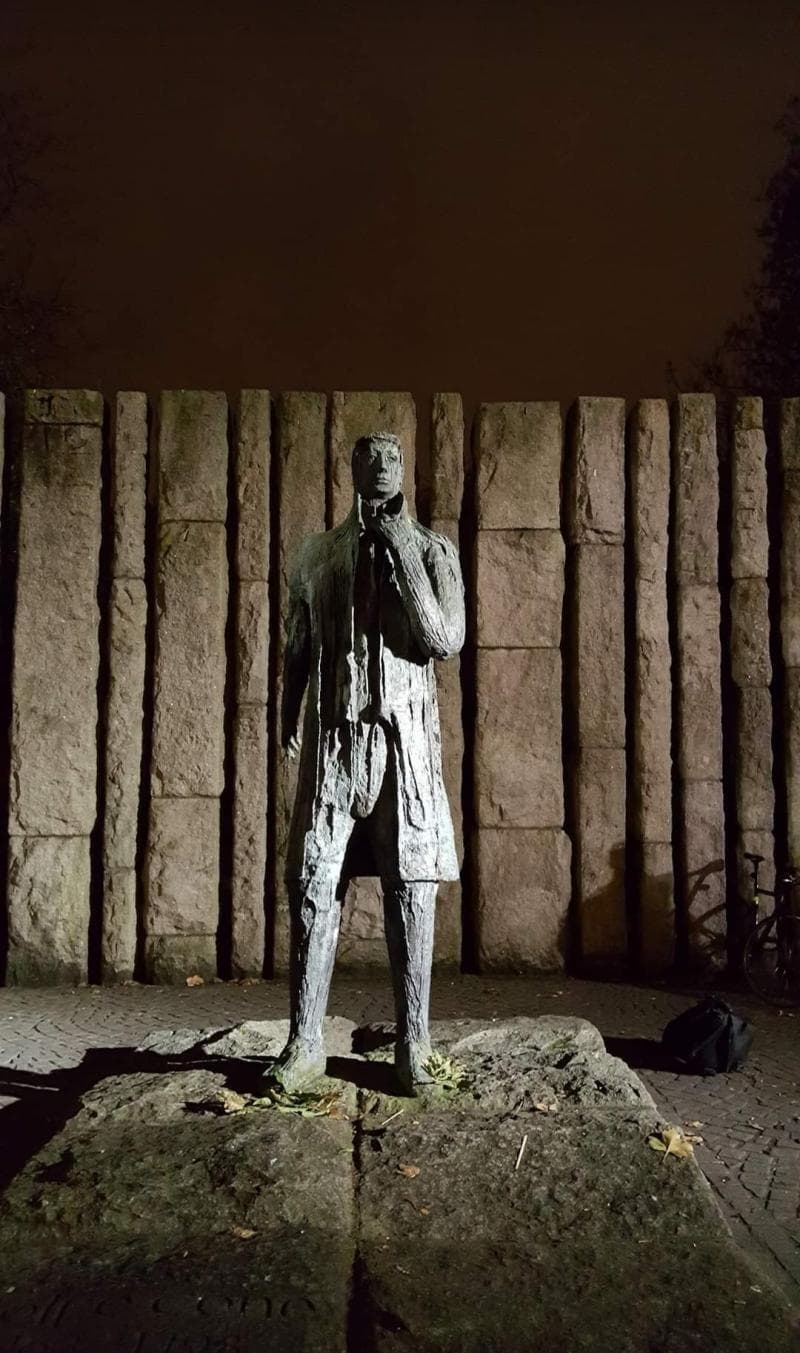
Discover the compelling statues of St. Stephen's Green in Dublin, Ireland. Explore monuments honoring Irish heroes, literary giants, and historical events.
Overview
Nestled in the bustling heart of Dublin, Ireland, St. Stephen's Green offers a serene escape, a beautifully maintained Victorian park renowned not just for its lush greenery and tranquil lake, but also for its remarkable collection of statues and monuments. These sculptural works transform the park into an open-air gallery, each piece a silent narrator of Ireland's profound history, celebrated figures, and pivotal moments. Walking through 'The Green' is an immersive journey through time, where artistry and heritage converge, inviting visitors to reflect on the stories etched in stone and bronze. From revolutionaries and literary giants to benefactors and symbols of international solidarity, the statues here provide a unique lens into the soul of a nation.
History & Cultural Background
The history of St. Stephen's Green itself is intertwined with the narratives its statues tell. Once a marshy common, it was enclosed in the 17th century, eventually becoming a private park accessible only to the wealthy. Its transformation into a public space in 1880 was largely thanks to Lord Ardilaun, Sir Arthur Edward Guinness, who purchased and redesigned the park before gifting it back to the citizens of Dublin. His seated statue on the western side of the park commemorates this significant act of philanthropy. The park's monuments extensively reflect Ireland's struggle for independence and its rich literary heritage. During the 1916 Easter Rising, St. Stephen's Green became a battlefield, seized by rebels led by Countess Markievicz. Bullet holes from this conflict can still be seen on the Fusiliers' Arch, a prominent gateway commemorating those who died in the Second Boer War.
What Makes It Special
What sets the statues of St. Stephen's Green apart is their collective ability to tell a multifaceted story of Ireland. It's not just a collection of inert figures; it's a dynamic historical record. Visitors encounter a diverse range of subjects, from the stoic bronze figure of Robert Emmet, the 1803 Irish nationalist, situated opposite his former birthplace, to the contemplative bust of literary titan James Joyce, positioned to gaze towards his old university, Newman House. The collection also includes the striking bronze bust of Countess Markievicz, depicted in her Irish Citizen Army uniform, a testament to her role as a revolutionary and the first woman elected to the British Parliament. Beyond Irish figures, the park features the 'Three Fates' fountain, a moving bronze sculpture gifted by Germany in 1956 as a thank you for Ireland's humanitarian efforts in sheltering refugee children after World War II, adding an international dimension to the park's narratives.
Stories, Fun Facts & Local Details
Each statue holds a unique tale. Robert Emmet's statue, one of four identical castings by Jerome Connor, has a fascinating transatlantic journey, with replicas also found in San Francisco and Washington D.C., symbolizing Irish aspirations for freedom. The bust of James Joyce, installed in 1982, offers a connection to the literary landscape of Dublin, reflecting the author's deep ties to the city he immortalized in his works. Countess Markievicz's bust, unveiled in 1956, stands as a powerful reminder of her bravery and leadership during a tumultuous period in Irish history, and her uniform speaks volumes about her active involvement in the fight for independence. Even the Fusiliers' Arch, with its visible battle scars, serves as a tangible link to the 1916 Easter Rising, making history palpable for those who observe closely. The park also pays homage to other key figures like Theobald Wolfe Tone, an architect of Irish Republicanism, and features an abstract bronze sculpture honoring Nobel laureate W.B. Yeats, further cementing the park's status as a cultural and historical touchstone.
Visitor Perspective
For the curious traveler, exploring the statues of St. Stephen's Green is an engaging and accessible experience. The park's 3.5 kilometers of pathways allow for leisurely strolls, during which visitors can discover these historical markers at their own pace. An official audioguide is available, offering a deeper dive into the history, sculpture, and Victorian landscape of 'The Green,' making each monument come alive with narrated stories. The statues provide excellent photo opportunities and serve as natural conversation starters, encouraging a deeper understanding of Irish culture and history. Whether pausing for quiet contemplation by the Famine Memorial or admiring the intricate details of a bust, the statues offer moments of reflection and connection within the vibrant atmosphere of Dublin. This tranquil oasis, rich with symbolic artistry, provides not just a break from city life, but a meaningful encounter with Ireland's enduring legacy.
Coordinates: -6.25917, 53.33806
View on Google Maps💬 How Travelers Describe This Place
Based on community votes
Beautiful
728Unique
481Must See
382Interesting
183Photogenic
28
Traveler Stories
Discover memorable experiences shared by travelers who have visited this place.
No traveler stories yet.
Be the first traveler to share what made this place memorable.

Tour
By
Spot
Discover amazing places around the world. Your journey starts here.
Explore
© 2026 TourBySpot. All rights reserved.