Statue of Hercules
Antalya, Turkey
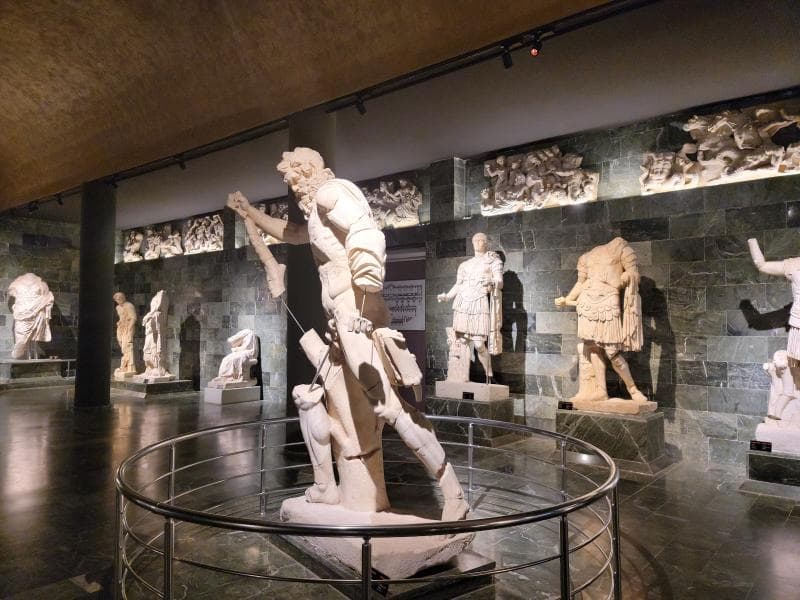
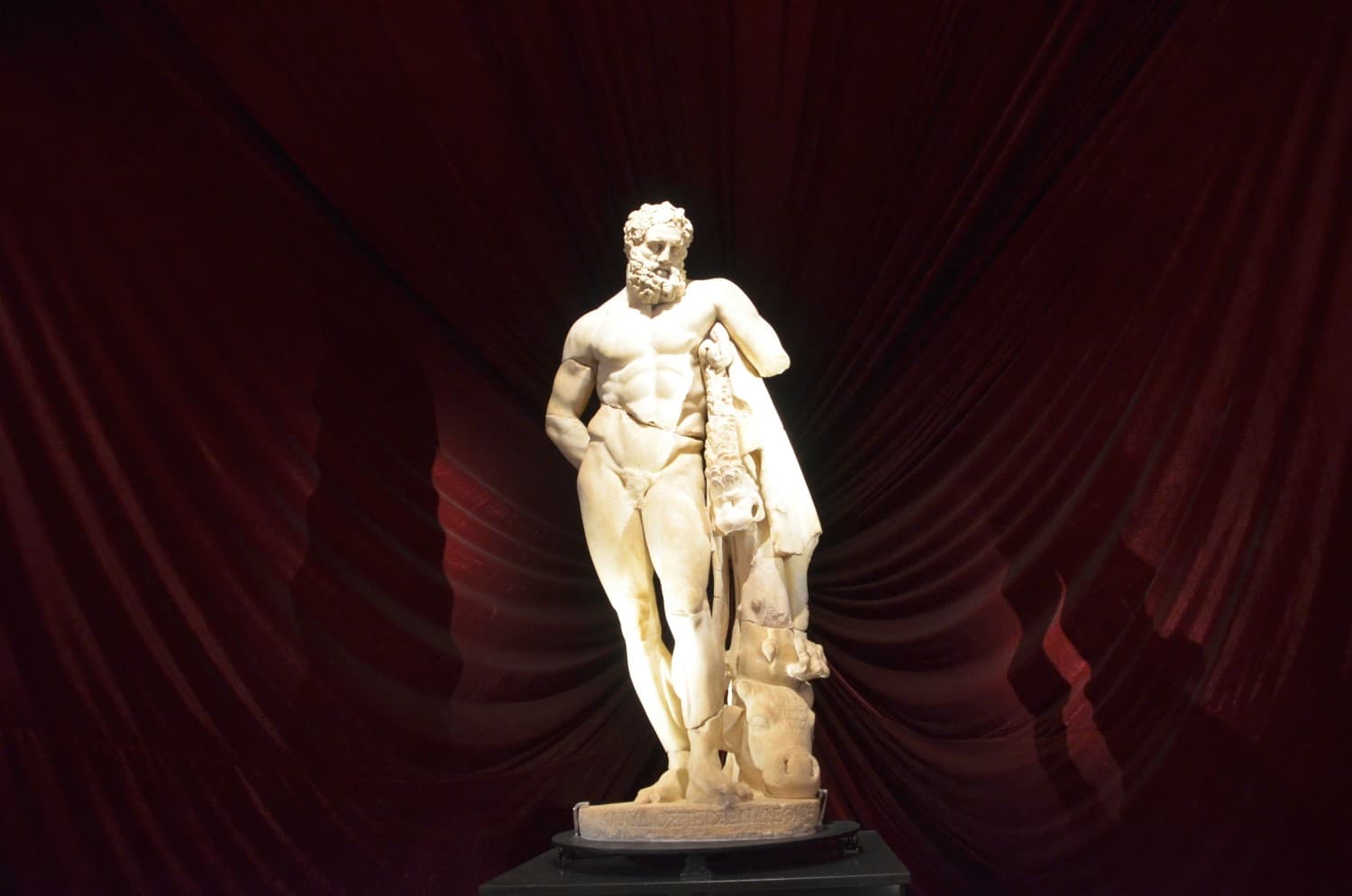
Discover the 'Weary Herakles' statue at Antalya Museum, Turkey. This Roman masterpiece, once separated, tells a compelling story of art and reunification.
Overview
Deep within the esteemed Antalya Museum in Antalya, Turkey, stands a testament to both ancient artistry and modern cultural heritage preservation: the 'Weary Herakles' statue. This magnificent Roman marble sculpture is not merely a work of art; it embodies a captivating saga of discovery, illicit trade, and eventual reunification. It depicts the mythological hero Herakles (Hercules) in a moment of contemplative exhaustion, leaning on his club draped with the Nemean Lion's skin, a subtle hint at his arduous Twelve Labours. The statue is a Roman-era copy of an original bronze piece created by the renowned Greek sculptor Lysippos in the 4th century BCE. Its powerful narrative and superior craftsmanship make it one of the most celebrated exhibits in the museum, drawing visitors into a profound dialogue between past and present.
History & Cultural Background
The story of the 'Weary Herakles' at the Antalya Museum begins in the ancient city of Perge, near modern-day Antalya. Perge was a significant center for sculpture production during antiquity. In 1980, during archaeological excavations at the site, Professor Jale İnan and her team uncovered the lower half of this remarkable statue. However, whispers and rumors persisted that a significant artifact, believed to be the statue's upper half, had been illegally looted from the site.
These rumors proved tragically true. The upper half of the 'Weary Herakles' was indeed smuggled out of Turkey in 1981 and later surfaced in the United States, finding its way into the collections of the Museum of Fine Arts, Boston. For three decades, the statue remained tragically separated, its two halves residing on different continents. It was a keen-eyed journalist, Özgen Özer, who in 1990 recognized the bust in Boston as the missing piece of the Perge discovery, igniting a passionate campaign for its return.
A critical turning point came in 1992 when a plaster cast of the lower half from Antalya was sent to Boston. The cast fit perfectly with the upper torso, undeniable proof that the two fragments belonged together. After years of diplomatic efforts and legal battles, the upper half was finally repatriated to Turkey in 2011. This triumphant return allowed the complete 'Weary Herakles' to be reassembled and proudly displayed at the Antalya Museum, where it stands today as a symbol of cultural heritage reclaimed.
What Makes It Special
What sets the Antalya Museum's 'Weary Herakles' apart is not only its dramatic tale of reunification but also its exceptional artistic merit. While it is a Roman copy, dating to the late 2nd century CE, of a 4th-century BCE original by Lysippos, art historians, including Professor Jale İnan, have lauded its superior craftsmanship compared to many other Roman reproductions of the 'Farnese Hercules' type. Its exquisite detail and emotional depth elevate it beyond a mere copy, making it a masterpiece in its own right.
Lysippos, known for introducing a new canon of proportions that emphasized slenderness and more naturalistic movement, depicted Herakles not as an invincible god, but as a weary, contemplative figure. This portrayal captures a poignant human element, reflecting the profound toll of his divine labors. The statue's introverted expression and powerful yet exhausted physique embody the transition towards late classical and early Hellenistic artistic styles, focusing on inner emotion rather than purely heroic grandeur.
Stories, Fun Facts & Local Details
The 'Weary Herakles' is often referred to as the 'Farnese type,' named after the famous, colossal marble version found in the Baths of Caracalla in Rome. However, the Antalya specimen is distinct for its quality and its unique journey. Professor Jale İnan, a pioneering Turkish archaeologist, was so convinced of its exceptional artistic value that she proposed it be specifically called 'Herakles Farnese of Perge,' emphasizing its local origin and distinguishing it from other copies.
The act of Herakles holding the apples of the Hesperides behind his back is a subtle but crucial detail. It signifies the completion of one of his most challenging tasks, yet his posture conveys the immense effort and emotional burden, adding a layer of psychological complexity. This artistic choice encourages viewers to walk around the statue to fully grasp its narrative, revealing the hidden apples only when seen from the back. The story of its repatriation has also made it a powerful emblem in the fight against illicit art trafficking, highlighting the importance of cultural heritage for its country of origin.
Visitor Perspective
For any traveler exploring Antalya, a visit to the Antalya Museum is indispensable, and encountering the 'Weary Herakles' is a profound experience. The museum itself is recognized internationally, having received the 'Museum of the Year' award from the Council of Europe in 1988, reflecting its rich collections and thoughtful presentations. The statue is often presented with accompanying materials that recount its dramatic saga, allowing visitors to appreciate not just its aesthetic beauty but also its compelling modern history. Standing before this reunited masterpiece, one can sense the weight of centuries and the triumph of justice, connecting deeply with the echoes of ancient myths and human perseverance. The museum provides an excellent context for the region's vast history, from prehistoric times through the Roman era, making the 'Weary Herakles' a highlight among countless treasures unearthed from sites like Perge.
Coordinates: 30.6802, 36.8856
View on Google Maps💬 How Travelers Describe This Place
Based on community votes
Interesting
958Beautiful
743Unique
719Photogenic
382Must See
176
Traveler Stories
Discover memorable experiences shared by travelers who have visited this place.
No traveler stories yet.
Be the first traveler to share what made this place memorable.

Tour
By
Spot
Discover amazing places around the world. Your journey starts here.
Explore
© 2026 TourBySpot. All rights reserved.