Antalya Museum
Antalya, Turkey
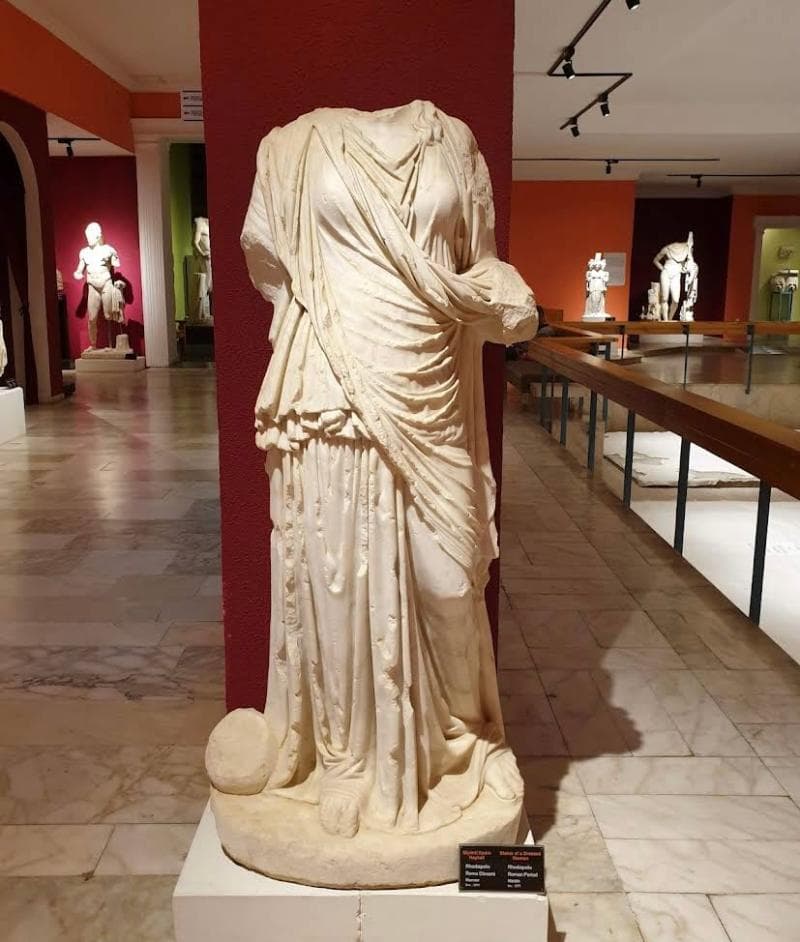
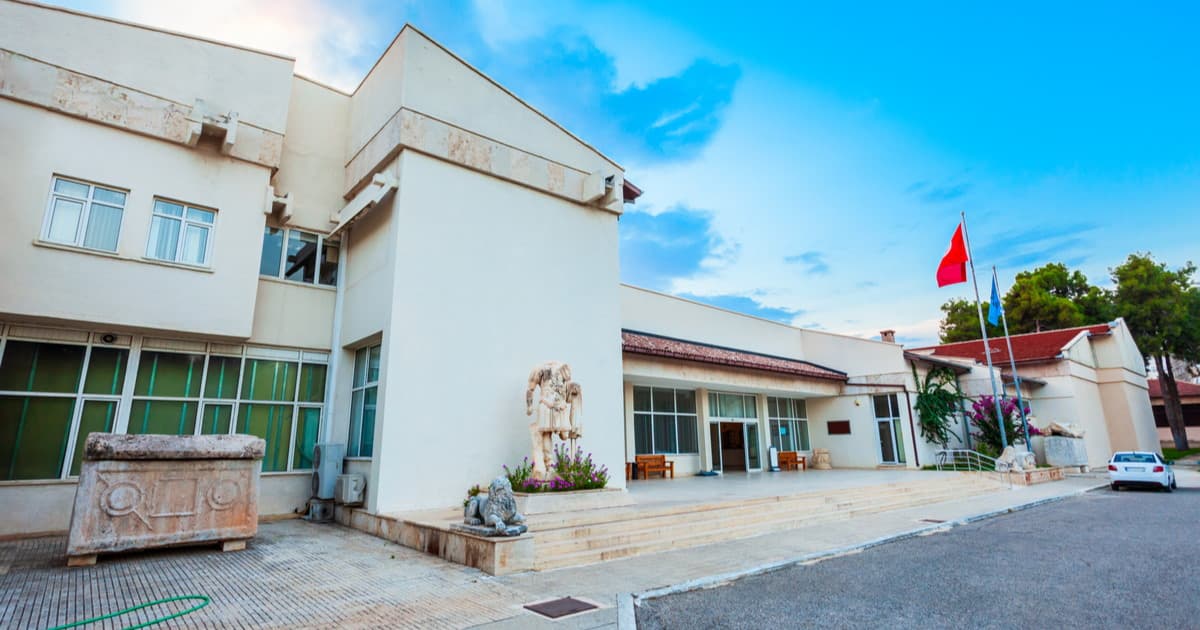
Explore Antalya Museum in Antalya, Turkey, a treasure trove of artifacts from Paleolithic to Ottoman periods, currently closed for renovation until late 2026.
Overview
The Antalya Museum, also known as the Antalya Archaeological Museum, stands as one of Turkey's largest and most significant museums. Situated in Antalya, Turkey, it serves as a crucial repository for the rich history and cultural heritage of the Mediterranean and Pamphylia regions of Anatolia. [3, 7, 13] Its extensive collection spans thousands of years, from the Paleolithic era through the Byzantine Empire to the Ottoman period. [3, 4, 8, 13] Recognized for its exemplary presentation of cultural heritage, the museum was honored with the 'European Council Special Prize' in 1988. [6, 7, 9, 21]
However, it is important for prospective visitors to note that the Antalya Museum is currently closed for a significant rebuilding and renovation project. [7, 15] A seismic analysis in 2020 revealed that the previous structure was at high risk of earthquake damage, necessitating this comprehensive undertaking. [7] The new museum is designed to be much larger, planned to span around 20,000 square meters of enclosed space, with an expected reopening by the end of 2026. [7, 15]
History & Cultural Background
The origins of the Antalya Museum are deeply rooted in the aftermath of World War I. During the Italian military occupation of Antalya, Italian archaeologists began removing ancient treasures from the city and its surroundings. [5, 7, 16, 21] To counteract this, Süleyman Fikri Bey, a Sultan's advisor and teacher, took the initiative in 1919 to establish a museum to collect and preserve what remained. [5, 16, 21] This act marked the founding of the Antalya Museum. [4, 10]
The museum first opened its doors in the Alaeddin Mosque in 1922, then moved to the Yivli Minare Mosque in 1937, before relocating to its modern building in 1972. [5, 7, 16, 21] This progression reflects a continuous effort to safeguard and showcase the area's archaeological wealth, much of which comes from the numerous Hellenic, Hellenistic, and Roman cities that once thrived in the Antalya province. [5, 8] The region itself has witnessed uninterrupted human history, hosting magnificent civilizations such as Lycian, Roman, and Byzantine empires. [6]
What Makes It Special
The Antalya Museum is particularly renowned for its world-class collection of Roman-period sculptures, primarily unearthed from the ancient city of Perge. [5, 9, 10, 12] Visitors, once the museum reopens, will be captivated by the 'Hall of Gods' and the 'Hall of Imperial Statues', featuring breathtaking sculptures of Greek and Roman deities, emperors, and empresses. [3, 6, 7, 12]
Among its most iconic pieces is the 'Weary Herakles' statue, a 2nd-century AD Roman copy of Lysippos' 4th-century BC original. Its story is remarkable, with its lower part discovered in Turkey and its upper part repatriated from abroad and reunited years later in 2011. [6, 9] The 'Sarcophagi Hall' presents intricately carved sarcophagi, including the 'Domitias Sarcophagus' and the 'Heracles Sarcophagus', depicting mythological scenes. [3, 6, 12] Beyond the grand sculptures, the museum also houses awe-inspiring mosaics from Seleukeia, artifacts from Side, and the famed 'Elmalı Coins', often called the 'Treasure of the Century', showcasing Anatolian coin minting traditions. [3, 6, 16]
Stories, Fun Facts & Local Details
The story of the 'Weary Herakles' is a testament to the museum's dedication to preserving cultural heritage. The reunification of its two parts, after decades of separation and complex international efforts, made headlines and highlighted the importance of cultural repatriation. [6, 9]
Another fascinating connection to the region's history is that of Saint Nicholas, famously known as Santa Claus. He was born in Patara, a town near Antalya, making the area a site of historical Christian significance. [12, 13] The museum's collections extend to ethnography, showcasing traditional local life and providing a glimpse into the daily lives of people from the region throughout different historical periods. [6, 13]
For younger visitors, the museum historically included a dedicated 'Children's Museum' section, featuring playful artifacts and interactive displays designed to introduce kids to archaeology in an engaging and accessible way, making history fun for all ages. [3, 8]
Visitor Perspective
As of now, the Antalya Museum is undergoing a major rebuilding project, and is therefore closed to visitors. [7, 15] The renovation aims to create a larger, more modern facility, with reopening anticipated by the end of 2026. [7, 15] This closure is part of a broader effort to strengthen the museum's infrastructure against seismic risks and to enhance its capacity and conservation technology. [7]
When it reopens, visitors can expect the museum to continue to be easily accessible, as it was previously located conveniently in the city center, reachable by tram, taxi, or local bus. [3, 9, 15] Its proximity to popular attractions like Kaleiçi (Old Town) and Konyaaltı Beach means it will likely remain an ideal stop for those exploring Antalya's historical and natural beauty. [3, 9] While awaiting its reopening, enthusiasts can anticipate an even richer and more engaging experience, showcasing the incredible cultural tapestry of Antalya and its surrounding ancient lands. [7]
Coordinates: 30.6797, 36.8856
View on Google Maps💬 How Travelers Describe This Place
Based on community votes
Interesting
692Must See
674Photogenic
491Unique
261Beautiful
49
Traveler Stories
Discover memorable experiences shared by travelers who have visited this place.
No traveler stories yet.
Be the first traveler to share what made this place memorable.
Things to see at Antalya Museum



Tour
By
Spot
Discover amazing places around the world. Your journey starts here.
Explore
© 2026 TourBySpot. All rights reserved.