State Rooms
Graz, Austria
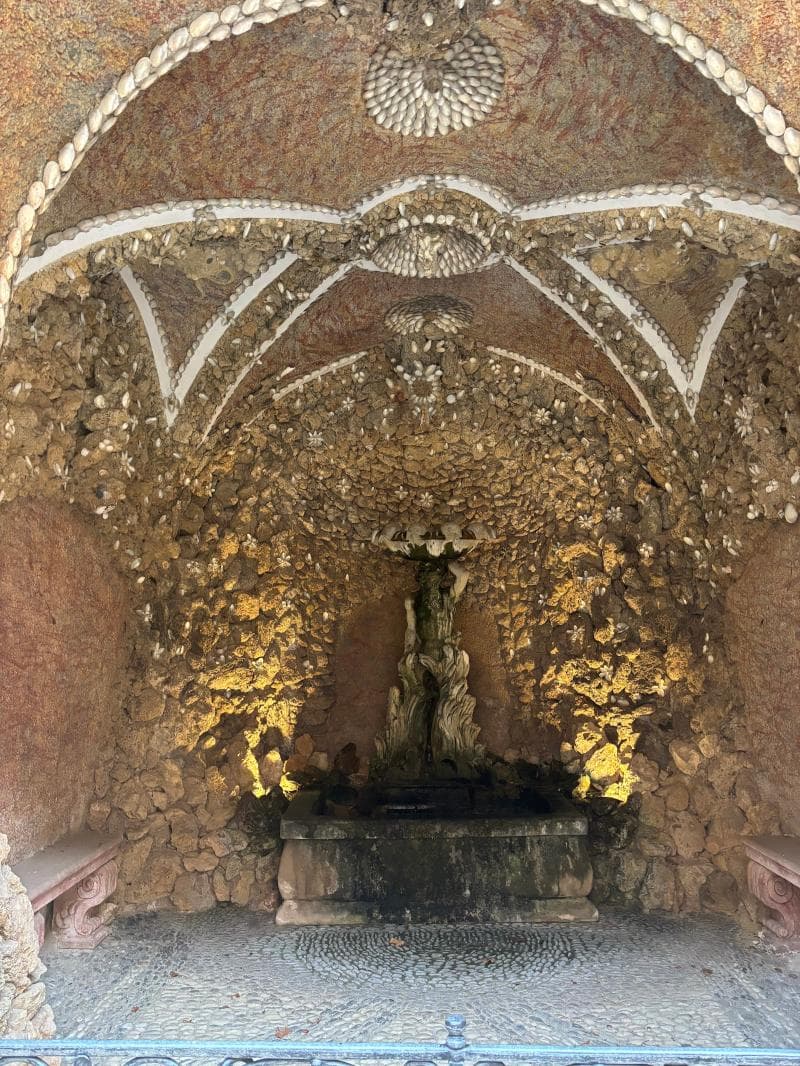
Explore the magnificent State Rooms of Eggenberg Palace in Graz, Austria. Discover Baroque art, cosmic symbolism, and preserved 17th-18th century interiors.
Overview
Stepping into the State Rooms of Eggenberg Palace in Graz, Austria, is akin to entering a meticulously preserved Baroque universe. This UNESCO World Heritage site is home to 24 opulent rooms that transport visitors back to the 17th and 18th centuries, offering an unparalleled glimpse into the aristocratic life and cosmic worldview of the powerful Eggenberg family. The rooms are celebrated for their exceptional state of preservation, retaining their original furnishings, tapestries, and over 500 ceiling paintings that create a cohesive Baroque spatial artwork.
These magnificent State Rooms are not merely decorative spaces; they embody a complex symbolic program deeply rooted in the Gregorian calendar and astrological beliefs of their time. Located on the 'piano nobile' or main floor, they form a ring-shaped arrangement, designed to represent the hours of a day. A visit here is an immersive journey through art, history, and a fascinating interpretation of the cosmos, making it one of Austria's most valuable cultural treasures.
History & Cultural Background
The history of Eggenberg Palace, and specifically its State Rooms, begins with Prince Hans Ulrich von Eggenberg, a confidant of Emperor Ferdinand II, who commissioned the palace's construction in 1625. His vision was to create a residence that not only reflected his elevated status but also served as a profound architectural allegory of the universe, a 'cosmological program in stone'. Inspired by structures like El Escorial in Spain and deeply influenced by astronomy, astrology, and alchemy, Hans Ulrich sought to build a harmoniously ordered world amidst the chaos of the 17th century.
Construction began under Italian architect Giovanni Pietro de Pomis, with the shell completed around 1635. The comprehensive interior decoration, including the cycle of approximately 600 ceiling paintings in the State Rooms, was largely accomplished under Hans Ulrich's grandson, Johann Seyfried von Eggenberg, in just seven years. Later, in the mid-18th century, after the Eggenberg family line faced extinction, the rooms underwent a Rococo redecoration by Maria Eleonora and her husband, Johann Leopold Count Herberstein. This update added new furnishings, tapestries, and elegant stoves, while preserving the original 17th-century ceiling paintings, resulting in the unique blend of Baroque and Rococo styles seen today.
What Makes It Special
The State Rooms at Eggenberg Palace are exceptional due to their intricate numerical architecture and the enduring fidelity to their original design. The palace itself, including these rooms, is a physical manifestation of the Gregorian calendar and a symbolic representation of time and the cosmos.
- Cosmological Program: The palace features 365 exterior windows (days of the year), 31 rooms per floor (days in a month), and 24 State Rooms (hours of the day). These 24 rooms collectively boast 52 windows, symbolizing the weeks of the year.
- The Planetary Room: At the heart of the State Rooms lies the magnificent Planetary Room, the main festival hall. Completed in 1685 by court artist Hans Adam Weissenkircher, its ceiling paintings depict the four elements, the 12 signs of the Western zodiac, and the seven classical planets, portraying an allegory of a 'Golden Age' under the Eggenberg family.
- Over 500 Ceiling Paintings: Beyond the Planetary Room, the 24 State Rooms are adorned with some 600 ceiling paintings from the 17th century, illustrating scenes from Greek and Roman mythology, Old Testament stories, and historical legends. These works, combined with opulent stucco surrounds, create a breathtaking narrative across the entire 'piano nobile'.
- Exceptional Preservation: The Bel Étage, where the State Rooms are located, has remained almost unchanged since the 18th century. The absence of significant alterations, even lacking modern heating or electricity in some parts, offers an authentic experience of a Baroque interior, a 'time capsule' of historical living conditions.
Stories, Fun Facts & Local Details
The story of the State Rooms is woven with fascinating details. Prince Hans Ulrich von Eggenberg's ambitious vision for a cosmic palace reflects his profound intellectual curiosity and desire to project his family's power and influence through an ordered universe. A particularly intriguing discovery within the Rococo East Asian cabinets is a rare early 17th-century Japanese folding screen. Originally a complete screen, it was later disassembled and used as wall decoration. This screen uniquely depicts the castle and city of Osaka before its destruction in 1615, making it one of the world's only surviving visual records of that period. Its significance was only recognized during restoration work in 2001. Another poignant detail is the end of the direct Eggenberg family line in 1717, when the last male member, Johann Christian II, died at the young age of 13 from appendicitis. The palace's subsequent Rococo refurbishment was initiated by his mother, Maria Eleonora, who was facetiously known as the 'Old Fairy'.
Visitor Perspective
Visiting the State Rooms offers a truly unique and immersive cultural experience. Due to the historical integrity and delicate nature of the interiors, access to the State Rooms is exclusively by guided tour. These tours, typically lasting around 50 minutes, provide invaluable insights into the palace's history, the symbolism of its architecture, and the stories behind its artworks. You'll gain a deep appreciation for the artistry of Hans Adam Weissenkircher's Planetary Room and the intricate details of the Rococo-era furnishings. It is advisable to allow two to three hours for a visit to the State Rooms and the other museums within the palace grounds. While the palace grounds and many museums are accessible, visitors with disabilities may find access to the State Rooms themselves limited due to the historic structure.
Coordinates: 15.39129, 47.07389
View on Google Maps💬 How Travelers Describe This Place
Based on community votes
Beautiful
476Unique
465Interesting
276Must See
128Photogenic
126
Traveler Stories
Discover memorable experiences shared by travelers who have visited this place.
No traveler stories yet.
Be the first traveler to share what made this place memorable.

Tour
By
Spot
Discover amazing places around the world. Your journey starts here.
Explore
© 2026 TourBySpot. All rights reserved.