State Rooms
Vienna, Austria
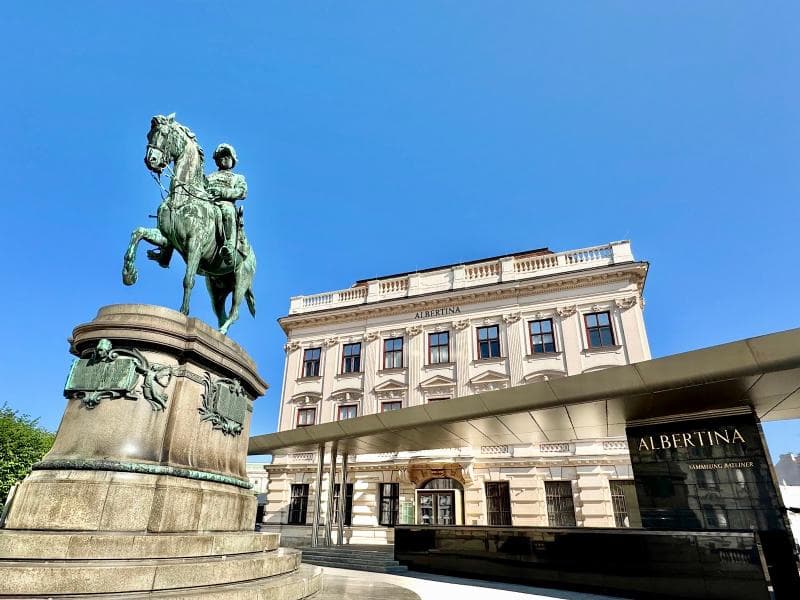
Discover the opulent State Rooms within Vienna's Albertina Museum, a journey into 18th and 19th-century Habsburg imperial life in Austria.
Overview
Nestled within the imposing Albertina Museum in Vienna, Austria, the historic State Rooms offer a captivating journey back to the opulent world of the Habsburg monarchy. These twenty sumptuously decorated and painstakingly restored palace chambers once served as the residential quarters for influential Habsburg archdukes and archduchesses, most notably Duke Albert of Saxe-Teschen and his wife, Archduchess Marie Christine, a daughter of Empress Maria Theresa. Far more than mere backdrops, these rooms were vibrant centers of courtly life, designed to impress and to conduct the high diplomacy of their era. Today, they present visitors with an unparalleled glimpse into the lavish domestic and official culture that defined imperial Vienna in the late 18th and 19th centuries.
Stepping into the Albertina's State Rooms means immersing oneself in a world where every detail, from the grand chandeliers to the intricate marquetry, speaks volumes about a bygone era. They reflect a harmonious blend of classicism, Rococo, and Neoclassical styles, showcasing the architectural and decorative trends favored by the Habsburgs. Fully restored, many with original furniture pieces, these rooms are an integral part of the Albertina experience, complementing its renowned art collections by providing historical context to the imperial patrons who shaped Vienna's cultural landscape.
History & Cultural Background
The Albertina's history as a palace predates its transformation into a world-class museum. The building stands proudly atop the Augustinian Bastion, one of the last remaining sections of Vienna's 16th-century fortifications, giving it a unique foundation steeped in urban history. It began its life in the early 1740s as the Tarouca Palace before becoming the residence of Duke Albert of Saxe-Teschen in 1776, who then founded the graphic art collection that would evolve into the Albertina Museum. Over the years, the palace passed through the hands of several Habsburg heirs, including Archduke Carl, Archduke Albrecht, and Archduke Friedrich, each leaving their mark on its interiors.
Originally, the rooms were decorated in a French style, particularly reflecting the Louis XVI décor favored by Duke Albert. However, in 1822, Archduke Carl oversaw their redecoration in a more distinct Habsburg style, embracing Neoclassical aesthetics that are largely what we see preserved today. The palace suffered significant damage during World War II, particularly in March 1945, when Allied bombs destroyed parts of the roof and several State Rooms. A meticulous restoration project undertaken in the year 2000 brought these magnificent chambers back to their former glory, ensuring their historical accuracy and preserving their imperial charm for future generations.
What Makes It Special
The Albertina State Rooms are celebrated for their authentic preservation of imperial grandeur, offering a rare window into aristocratic living. The twenty chambers are a symphony of luxurious details: precious silk damask wall coverings, glittering crystal chandeliers, and distinctively crafted parquet floors adorned with rose and ebony intarsia. Visitors can admire the ornate fireplaces and stoves, and the exquisite furniture, much of which was either original to the palace or meticulously re-acquired from the Danhauser factory, a prominent Viennese interior decorator of the time.
Among the highlights are several distinct rooms that each tell their own story. The Hall of the Muses, for instance, once served as a grand dining room and a venue for glamorous soirées and balls. It is renowned for its statues of the Greek Muses and its overall harmonious classical ensemble. The Audience Hall, a rich crimson chamber, was where Habsburg archdukes received visiting envoys, framed by portraits of Empress Maria Theresa and Emperor Franz I. Another unique space is the Wedgwood Cabinet, with its striking pale blue walls elegantly adorned with English jasperware plaques, showcasing a refined taste for international craftsmanship.
Stories, Fun Facts & Local Details
Beyond their aesthetic appeal, the State Rooms were, in essence, instruments of diplomacy and power. They were strategically designed to project the Habsburgs' desired image of civility, splendor, and subtle power. For example, while the State Bedroom, with its crimson silk and gilt, was visually stunning, it was rarely slept in. Instead, it functioned as a symbol of hospitality and prestige for royal guests, underscoring the ceremonial nature of imperial life. This reveals how form often followed function in courtly architecture, with appearances being paramount.
A fascinating detail in the restoration process was the effort to locate and re-integrate original furnishings. After the monarchy fell in 1919, the last Habsburg resident, Archduke Friedrich, departed with much of his private furniture. The museum later undertook the impressive task of gathering more than 70 pieces of the staterooms' original furniture from various locations around the world, including those from the Danhauser factory, which acted as a comprehensive interior design house in the 19th century. Furthermore, the intricate gilding of carvings throughout the rooms uses a special alloy known as 'Albertina gold,' a detail that adds another layer of unique historical craftsmanship to these magnificent spaces.
Visitor Perspective
Visiting the State Rooms offers a deeply immersive experience, transporting you directly into the daily lives and grand ceremonies of the Habsburg court. It provides an essential historical and cultural complement to the Albertina's world-renowned art collections, making the entire museum visit more complete and meaningful. The narrative flow of the rooms, from more private studies to grand reception halls, guides you through a curated historical experience.
Informative displays in both German and English accompany each room, providing rich context on the contents, historical significance, and the personalities who once inhabited these spaces. Walking across the polished parquet floors, beneath the glittering chandeliers, you can almost hear the echoes of conversations and sense the weight of history in rooms where crucial decisions were made and grand celebrations unfolded. This direct encounter with authentic imperial interiors fosters a profound connection to Vienna's rich heritage, making it a highlight for any curious traveler seeking to understand the city's royal past.
Coordinates: 16.36826, 48.20464
View on Google Maps💬 How Travelers Describe This Place
Based on community votes
Photogenic
951Unique
748Beautiful
499Interesting
427Must See
94
Traveler Stories
Discover memorable experiences shared by travelers who have visited this place.
No traveler stories yet.
Be the first traveler to share what made this place memorable.

Tour
By
Spot
Discover amazing places around the world. Your journey starts here.
Explore
© 2026 TourBySpot. All rights reserved.