Stained Glass Windows
Zagreb, Croatia
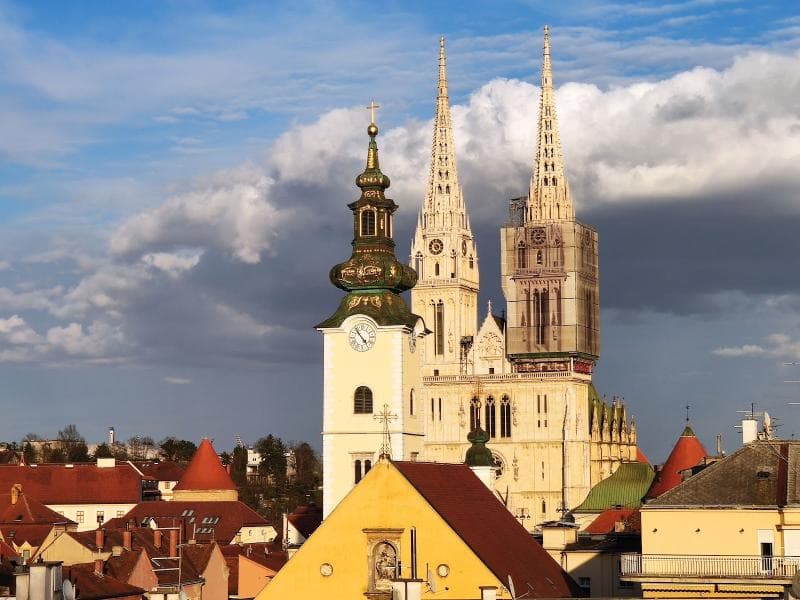
Discover the vibrant stained glass windows of Zagreb Cathedral, a masterpiece of Neo-Gothic art in Zagreb, Croatia. Explore their history and stunning biblical depictions.
Overview
Stepping into the Zagreb Cathedral, officially known as the Cathedral of the Assumption of the Blessed Virgin Mary, travelers are immediately greeted by an ethereal glow cast by its exquisite stained glass windows. These luminous works of art are not merely decorative; they are an integral part of the cathedral’s majestic Neo-Gothic interior, filtering natural light into a vibrant spectacle of color and spiritual narratives. As the tallest building in Croatia and a resilient symbol of faith in Zagreb, the cathedral’s stained glass contributes profoundly to its atmosphere of reverence and artistic splendor, inviting visitors to pause and absorb centuries of history and devotion.
History & Cultural Background
The history of Zagreb Cathedral is one of enduring resilience, marked by numerous reconstructions following invasions and natural disasters. While the cathedral's origins trace back to the 11th century, the stained glass windows visible today are largely a product of a significant Neo-Gothic restoration movement in the late 19th century. Following a devastating earthquake in 1880, the cathedral underwent an extensive renovation led by Austrian architect Hermann Bollé. It was during this period, from 1880 to 1906, that the cathedral acquired its current Neo-Gothic appearance, and new stained glass windows were commissioned and installed. Bishop Juraj Haulik, an influential figure, had already begun commissioning stained-glass windows by notable artists like Ainmiller, von Hess, and Kaulbach, setting a precedent for the artistic ambition seen in the subsequent Bollé renovation. These additions were part of an effort to restore the cathedral's grandeur, transforming the interior into a comprehensive 'Gesamtkunstwerk' or total work of art, reflective of the prevailing artistic and religious ideals of the era.
What Makes It Special
What truly sets the stained glass windows of Zagreb Cathedral apart is their vibrant storytelling and the way they interact with light. Designed in the Neo-Gothic style, these windows intricately depict various biblical scenes, brought to life with stunning color and remarkable detail. Beyond narrative imagery, some panels also incorporate beautiful floral and geometric patterns, adding layers of artistic complexity. On a sunny day, the effect is particularly enchanting; the sunlight streaming through the colored panes casts dynamic, ever-changing patterns across the nave, transforming the stone interior into a kaleidoscope of light and shade. This interplay of light and art creates a profoundly spiritual and meditative atmosphere, enveloping visitors in a unique visual experience that is both deeply moving and artistically captivating. These windows are considered among the oldest and most significant examples of stained glass in Croatia, highlighting a rich tradition of craftsmanship and artistic patronage.
Stories, Fun Facts & Local Details
While specific stories tied directly to individual stained glass panels are less documented, the windows themselves embody a larger narrative: the enduring spirit of Zagreb and its cathedral. They were installed at a time of renewal, symbolizing hope and rebirth after the destruction of the 1880 earthquake. Each pane, with its rich hues and detailed imagery, tells a fragment of a sacred story, silently educating and inspiring generations of worshipers and visitors. The choice of biblical scenes for these windows reflects the cathedral's central role as a religious and cultural institution, reinforcing its spiritual mission through visual artistry. They serve as silent witnesses to centuries of Croatian history, from the struggles against invasion to periods of artistic flourishing, continually drawing the eye upwards, towards the heavens, in line with Gothic architectural aspirations.
Visitor Perspective
For any curious traveler, experiencing the stained glass windows firsthand is a highlight of a visit to Zagreb Cathedral. The best time to witness their full splendor is often on a weekday morning, when the soft light illuminates the eastern windows and the cathedral is typically calmer, allowing for quiet contemplation away from larger tour groups. As you wander through the grand nave, take your time to appreciate the craftsmanship and the subtle shifts in light and color. The windows offer a profound sense of peace and wonder, serving as a powerful reminder of both artistic achievement and unwavering faith, even amidst the ongoing restoration efforts following the 2020 earthquake. They provide a visual anchor, connecting the cathedral's turbulent past with its present role as a beacon of Croatian heritage.
Coordinates: 15.97987, 45.81448
View on Google Maps💬 How Travelers Describe This Place
Based on community votes
Interesting
836Unique
620Must See
594Photogenic
522Beautiful
83
Traveler Stories
Discover memorable experiences shared by travelers who have visited this place.
No traveler stories yet.
Be the first traveler to share what made this place memorable.

Tour
By
Spot
Discover amazing places around the world. Your journey starts here.
Explore
© 2026 TourBySpot. All rights reserved.