Stained Glass Windows
Brussels, Belgium
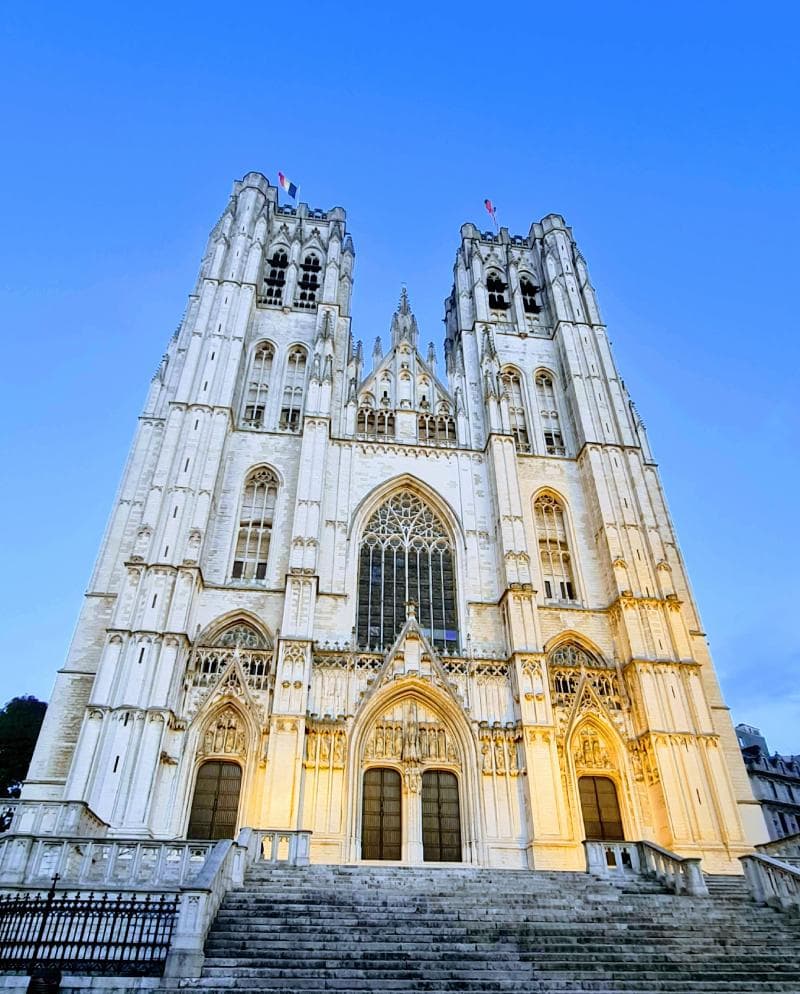
Discover the stunning stained glass windows of Saint-Michael and Saint-Gudula Cathedral in Brussels, Belgium, spanning from the 16th to 19th centuries.
Overview
Stepping into the Saint-Michael and Saint-Gudula Cathedral in Brussels, Belgium, is an experience that immediately captivates the senses, especially with the glorious array of stained glass windows. These luminous artworks, spanning centuries from the 16th to the 19th, are not merely decorative elements; they are vibrant storytellers, illuminating the cathedral's rich history and profound spiritual narratives. As a quintessential example of Brabantine Gothic architecture, the cathedral itself is a masterpiece, but its stained glass collection stands out as one of Belgium's most exceptional ensembles, offering a unique visual journey through art and faith.
Visitors are greeted by a kaleidoscope of colors and intricate designs, each window contributing to the ethereal ambiance of the sacred space. From grand biblical depictions to the portraits of emperors and queens, the stained glass windows provide invaluable insights into the historical and cultural fabric of Belgium and Europe. They represent a significant artistic heritage, reflecting the evolving styles and techniques of glassmaking across generations of skilled artisans.
History & Cultural Background
The history of the stained glass windows within the Saint-Michael and Saint-Gudula Cathedral is as layered as the cathedral's own construction, which began in the 11th century as a Romanesque church and evolved into its present Gothic form by the 16th century. Many of the oldest and most significant windows date from between 1525 and 1663, marking a period of generous patronage from European royalty and nobility.
A pivotal figure in the 16th-century stained glass commissions was Emperor Charles V, who, along with other prominent rulers like Louis II of Hungary, donated several of these magnificent works. These early windows were often designed by renowned artists such as Bernard van Orley, a 16th-century court painter credited with introducing Renaissance characteristics to Belgium, and then masterfully crafted by glassmakers like Jan Haeck.
The cathedral's interior, however, has not been immune to the ravages of time and conflict. Some original windows were lost to iconoclasts in 1566 and subsequent periods. A major restoration effort in the 19th century, particularly between 1848 and 1880, saw the creation of many neo-Gothic stained glass windows in the aisles. A leading figure in this revival was Jean-Baptiste Capronnier, a highly respected 19th-century glassmaker whose works further enriched the cathedral's collection.
What Makes It Special
The stained glass windows of the Saint-Michael and Saint-Gudula Cathedral are distinguished by their exceptional artistry, historical significance, and the sheer scale of some individual pieces. Foremost among these is the monumental 'Last Judgment' window, located above the main entrance on the western façade. Crafted in 1528, this 16th-century masterpiece by Jan Haeck, based on designs by Bernard van Orley, is unique globally for its immense size and prominent placement.
This iconic window is divided into three striking color segments: a lower emerald green symbolizing hope, a central blue azure representing the celestial, and a golden yellow field for eternal glory. It vividly depicts repentant sinners ascending heavenward on the left, while the damned, characterized by fear, descend towards a sea of flames and the green dragon of the devil on the right.
Another highlight is the 'Charles V' window in the north transept, dating from 1537. This window, also by Jan Haeck after Bernard van Orley's drawings, shows Emperor Charles V and his wife Isabella of Portugal in adoration before the Holy Sacrament, flanked by their patron saints. Its location was strategically chosen by Charles V himself, ensuring his entourage would behold his likeness upon entering the cathedral. The south transept features a companion window from 1538 depicting Louis II of Hungary and his wife Maria of Hungary.
Beyond these grand narratives, the Chapel of the Blessed Sacrament of the Miracle also houses several intricate stained glass windows from 1540, adding to the cathedral's visual tapestry.
Stories, Fun Facts & Local Details
The stained glass windows are silent witnesses to centuries of history, reflecting the powerful dynastic and religious alliances of their time. For instance, the imperial portraits in glass, such as those of Charles V and Louis II of Hungary (Charles V's brother-in-law), underscore the interwoven destinies of European royal families. Bernard van Orley's role in designing these windows is particularly interesting, as he was a key figure in introducing the Renaissance aesthetic to the region, blending traditional religious themes with contemporary artistic innovation.
A fascinating detail within the 'Last Judgment' window is the presence of Erard de la Marck, the Prince-Bishop of Liège, depicted in a red velvet cloak as the generous donor. The window also includes rich symbolism, such as the archangel Saint Michael, the cathedral's patron, holding scales to weigh souls, and angels sounding trumpets to signal the resurrection.
Moreover, the cathedral's stained glass windows illustrate local legends, notably the 'Story of the Stolen Hosts' in some of the 19th-century nave windows by Jean-Baptiste Capronnier. This blending of grand historical events, biblical narratives, and local lore ensures that each window tells a captivating story.
Visitor Perspective
For any traveler, encountering the stained glass windows of the Saint-Michael and Saint-Gudula Cathedral is an unforgettable experience. The sheer scale and intricate detail of the 'Last Judgment' window, especially when viewed from the main entrance, create a profound first impression. The light filtering through the colored glass transforms the interior space, casting vibrant hues across the stone and inviting contemplation.
Taking the time to walk through the cathedral and observe the different windows reveals the evolution of artistic styles and the depth of their storytelling. Visitors are encouraged to look closely for the subtle details, the expressions on the faces of the figures, and the symbolic elements that enrich each scene. In the evenings, the external illumination of the 'Last Judgment' window offers a captivating spectacle, highlighting its beauty even from outside the cathedral.
Coordinates: 4.36028, 50.84778
View on Google Maps💬 How Travelers Describe This Place
Based on community votes
Must See
998Unique
903Beautiful
481Interesting
458Photogenic
197
Traveler Stories
Discover memorable experiences shared by travelers who have visited this place.
No traveler stories yet.
Be the first traveler to share what made this place memorable.

Tour
By
Spot
Discover amazing places around the world. Your journey starts here.
Explore
© 2026 TourBySpot. All rights reserved.