Stained Glass Windows
Barcelona, Spain
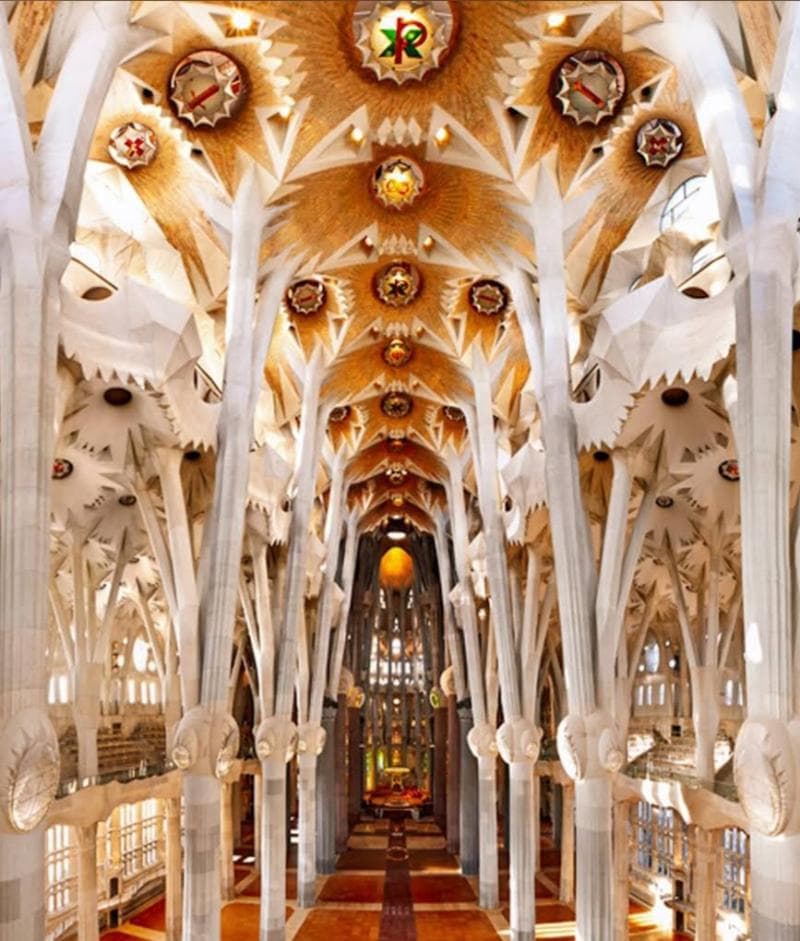
Discover the mesmerizing stained glass windows of Sagrada Família in Barcelona, Spain, and how Antoni Gaudí's vision transformed light into a spiritual journey.
Overview
The stained glass windows of the Sagrada Família in Barcelona, Spain, are far more than mere decorative elements; they are an integral part of Antoni Gaudí's architectural genius, transforming the basilica's interior into a breathtaking symphony of light and color. Designed to evoke profound spiritual and emotional responses, these windows bathe the vast interior space in an ever-shifting kaleidoscope of hues, reflecting Gaudí's belief that light is the very presence of God made visible. Unlike traditional Gothic cathedrals, where stained glass often depicts biblical scenes, the Sagrada Família's windows largely employ abstract patterns, focusing on the interplay of color and light to create a unique atmosphere.
Visitors entering the basilica are immediately enveloped in a transformative experience, as pools of amber, emerald, blue, and violet light dance across the stone surfaces, shifting subtly with the sun's movement throughout the day and seasons. This dynamic illumination is a deliberate design choice, orchestrating a narrative through color that complements the basilica's architectural forms and theological symbolism.
History & Cultural Background
While Antoni Gaudí, the visionary architect of the Sagrada Família, laid down the fundamental principles for the stained glass windows, he did not live to see their full realization. Gaudí, who passed away in 1926, left specific guidelines on how light and color should be integrated into the basilica's design. His intention was to surpass traditional Gothic styles, which often placed darker glass at higher levels. Gaudí, instead, opted for intensely colored glass at lower levels for readability (e.g., names of saints) and clearer glass higher up to illuminate the vaulted ceilings and mosaics.
The monumental task of bringing Gaudí's vision to life for the main nave windows fell primarily to the Catalan artist Joan Vila-Grau. He commenced work in 1999 and dedicated over two decades to crafting these masterpieces, adhering faithfully to Gaudí's original studies and guidelines. Earlier windows in the crypt were produced by J.M. Bonet based on designs by Daríus Vilàs, contributing to the rich artistic tapestry of the basilica. Vila-Grau employed traditional leaded glass techniques, ensuring the pieces were a system of design rather than individual artworks, creating a collective experience.
What Makes It Special
What truly sets the Sagrada Família's stained glass windows apart is Gaudí's revolutionary approach to light as an architectural and spiritual element. He considered light not merely symbolic of God's presence, but its visible manifestation. This conviction led to a meticulously planned arrangement of colors and glass opacities that responds directly to the sun's trajectory across the sky.
Dynamic Color Palette: The basilica's east side (Nativity Facade) is bathed in cool blues and greens with the morning sun, symbolizing birth, hope, and new beginnings. Conversely, the west side (Passion Facade) glows with warm reds, oranges, and purples as the afternoon sun descends, representing sacrifice and spiritual contemplation. The south side (Glory Facade) is designed for perpetual brightness, symbolizing resurrection and eternal life.
Reversal of Tradition: Gaudí deliberately placed the most vibrant, intense colors in the lower sections of the windows, allowing visitors to appreciate their richness and any inscribed texts. Higher up, the glass becomes progressively lighter and more translucent, ensuring that the natural light brilliantly illuminates the soaring vaults and mosaics, enhancing the sense of verticality and drawing the eye heavenward.
Forest-like Ambiance: The interplay of light filtering through the windows, combined with the tree-like columns branching overhead, creates an immersive atmosphere reminiscent of a celestial forest canopy.
Stories, Fun Facts & Local Details
Gaudí famously stated, 'Sunshine is the best painter,' a philosophy vividly realized in the Sagrada Família's stained glass. His design ensures that the interior is never static; every hour, every day, and every season offers a different visual spectacle, making each visit a unique encounter with light. This constant transformation allows the building itself to narrate the life of Christ through light, from the joyful dawn of the Nativity to the solemn dusk of the Passion.
A captivating detail is how the windows don't depict traditional scenes but instead utilize abstract color gradients. This abstraction allows the light itself to be the primary storyteller, conveying emotion and spiritual meaning through hue and intensity. Joan Vila-Grau's commitment to this vision for over two decades ensured that Gaudí's unique aesthetic was preserved and brought to fruition.
Visitor Perspective
Experiencing the stained glass windows is a highlight for any visitor to the Sagrada Família. To truly appreciate the full spectrum of colors and their dynamic interplay, consider visiting at different times of the day. Early mornings often yield soft, golden light on the Nativity side, while late afternoons, especially around sunset, bring dramatic, fiery hues to the Passion facade, painting the interior with an unforgettable glow. The changing light creates an atmosphere that encourages contemplation and reflection, a profound sensory journey that transcends mere observation. Many find themselves pausing, captivated by the immersive spectacle, feeling a deep sense of peace and connection.
Walking through the nave from east to west allows you to symbolically traverse from dawn to dusk, from creation to sacrifice, guided by the very light filtering through the glass. It is recommended to spend time simply sitting and observing how the light changes, allowing the vibrant colors to wash over you, an experience Gaudí intended to connect visitors to the divine.
Coordinates: 2.1744651, 41.403444
View on Google Maps💬 How Travelers Describe This Place
Based on community votes
Unique
836Photogenic
795Beautiful
620Interesting
522Must See
83
Traveler Stories
Discover memorable experiences shared by travelers who have visited this place.
No traveler stories yet.
Be the first traveler to share what made this place memorable.

Tour
By
Spot
Discover amazing places around the world. Your journey starts here.
Explore
© 2026 TourBySpot. All rights reserved.