Stained Glass Windows
Jakarta, Indonesia
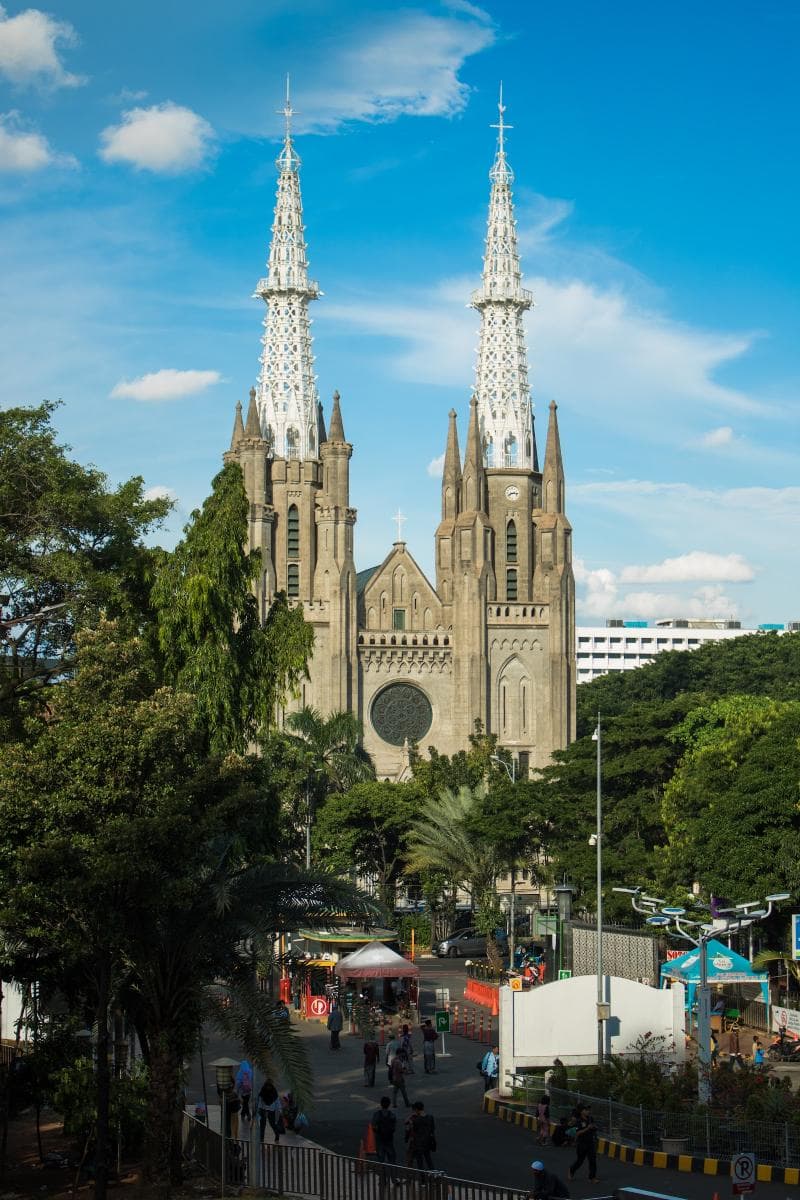
Explore the unique floral stained glass windows of Jakarta Cathedral in Jakarta, Indonesia. Discover its Neo-Gothic beauty and rich history.
Overview
The Jakarta Cathedral, officially known as the Church of Our Lady of the Assumption, stands as a magnificent Neo-Gothic masterpiece in the heart of Jakarta, Indonesia. More than just a place of worship, it is a testament to architectural grandeur and a symbol of enduring faith. Among its many captivating features, the stained glass windows are particularly enchanting, casting a vibrant, ethereal glow across the interior. These windows are not merely decorative; they are integral to the cathedral's spiritual ambiance and visual narrative, inviting visitors into a world where light and color tell a story of beauty and contemplation. The cathedral's prime location, directly opposite the grand Istiqlal Mosque, further highlights Indonesia's spirit of religious harmony and tolerance, making it a truly significant landmark to experience.
History & Cultural Background
The current Jakarta Cathedral, consecrated in 1901, rose from the ashes of a previous church that tragically collapsed in 1890. Its design was entrusted to the Jesuit priest Antonius Dijkman, an architect with a background in European church design, having studied under the renowned French architect Viollet-le-Duc. Dijkman's vision for the cathedral was deeply rooted in the Neo-Gothic style, a popular architectural trend of the time, known for its soaring arches, intricate stonework, and dramatic use of light. While drawing inspiration from European cathedrals, Dijkman subtly adapted the design to its Indonesian context. The stained glass windows, for instance, depart from traditional European depictions of biblical scenes and saints, instead embracing repetitive floral patterns. This unique artistic choice is believed to have been an intentional effort to create an 'Eden-like interior,' a serene and paradisiacal space within the bustling city, complemented by imagined birds soaring above the main hall. This blend of European architectural influence with local artistic interpretation imbues the Jakarta Cathedral with a distinctive cultural resonance.
What Makes It Special
What truly sets the stained glass windows of Jakarta Cathedral apart is their distinctive artistic approach. Unlike the narrative stained glass prevalent in many European churches, which vividly portrays stories from the Bible or the lives of saints, these windows present a mesmerizing array of repetitive floral designs. This artistic decision is not merely aesthetic; it carries a profound symbolic weight. It is theorized that architect Antonius Dijkman aimed to evoke a sense of paradise, an 'Eden-like interior', where the natural beauty of blooming patterns and the suggestion of birds in flight create an atmosphere of tranquil contemplation. As sunlight streams through these colorful panels, it bathes the cathedral's interior in a kaleidoscope of hues, transforming the space into a vibrant, ever-shifting canvas. This interaction of light and color elevates the spiritual experience, fostering a peaceful and inspiring environment for both worshippers and visitors alike. The subtle elegance of these floral motifs offers a refreshing contrast to the more didactic imagery found elsewhere, inviting personal reflection rather than prescribed interpretation.
Stories, Fun Facts & Local Details
A delightful aspect of the Jakarta Cathedral's stained glass is the thoughtful intention behind its seemingly simple patterns. Imagine Father Dijkman, perhaps reflecting on the lush natural beauty of Indonesia, choosing to infuse the sacred space with a vision of paradise. The idea that he sought to create an 'Eden-like interior' is a charming insight into the creative process, suggesting a desire to connect the spiritual with the earthly beauty surrounding the cathedral. The inclusion of repetitive floral patterns, rather than narrative scenes, allows for a more universal appeal, inviting individuals from diverse backgrounds to find solace and beauty in the interplay of light and form. It is also fascinating to consider that these delicate works of art underwent their first major maintenance only relatively recently, around 2016, a testament to their enduring quality and the care taken to preserve this historical treasure. The presence of a prominent rosette window above the main gate further adds to the cathedral's iconic status, serving as a focal point and an early example of its stained glass artistry.
Visitor Perspective
For the curious traveler, encountering the stained glass windows of Jakarta Cathedral is an experience that engages the senses and calms the spirit. Stepping inside, one is immediately struck by the soft, colored light that filters through the windows, creating a serene and majestic atmosphere. The high ceilings and grand columns of the Neo-Gothic architecture provide a dramatic backdrop for these luminous art pieces. As you wander through the nave, take a moment to observe how the light shifts and dances, painting the stone and wooden elements with transient hues. The floral patterns, though not depicting specific figures, invite a meditative gaze, allowing one to appreciate the intricate craftsmanship and the architect's innovative vision. This experience offers a quiet respite from the city's hustle and bustle, providing a unique opportunity for reflection and appreciation of art, history, and faith in a truly harmonious setting. The stained glass windows are more than just glass; they are windows into the cathedral's soul, offering a peaceful and memorable highlight to any visit.
Coordinates: 106.833069, -6.169257
View on Google Maps💬 How Travelers Describe This Place
Based on community votes
Beautiful
791Photogenic
613Unique
514Must See
457Interesting
207
Traveler Stories
Discover memorable experiences shared by travelers who have visited this place.
No traveler stories yet.
Be the first traveler to share what made this place memorable.

Tour
By
Spot
Discover amazing places around the world. Your journey starts here.
Explore
© 2026 TourBySpot. All rights reserved.