Stained Glass Windows
Istanbul, Turkey
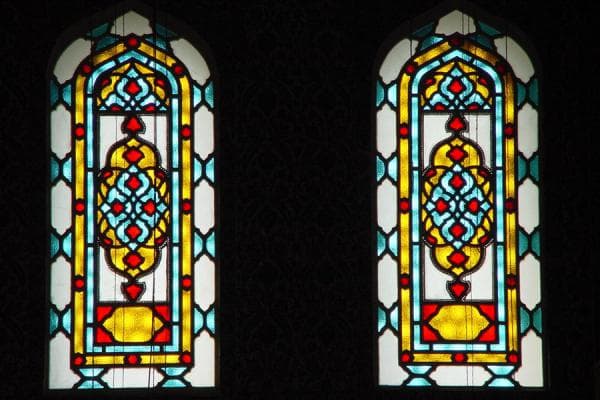
Discover the enchanting stained glass windows of Istanbul's Blue Mosque. Learn about their history, intricate Ottoman designs, and how they illuminate this iconic Turkish landmark.
Overview
Step inside Istanbul's magnificent Blue Mosque, officially known as the Sultan Ahmed Mosque, and prepare to be enchanted by the subtle artistry of its stained glass windows. Far from merely serving a functional purpose, these exquisite windows are integral to the mosque's breathtaking interior, orchestrating a daily symphony of light that transforms the space. With approximately 260 windows strategically placed throughout the structure, they filter natural sunlight into a soft, ethereal glow, illuminating the vibrant Iznik tiles and intricate calligraphy. The stained glass is a testament to 17th-century Ottoman craftsmanship, harmoniously blending with the mosque's grand architecture to create an atmosphere of profound serenity and spiritual contemplation.
History & Cultural Background
The construction of the Blue Mosque, including its iconic windows, commenced in 1609 and was completed in 1616 under the patronage of Sultan Ahmed I. Designed by the ingenious architect Sedefkâr Mehmed Ağa, a student of the legendary Mimar Sinan, the mosque was conceived as a monumental expression of Ottoman power and faith. The use of light was a critical design element, intended to achieve a sense of structural weightlessness and to evoke a spiritual ambiance. The original stained glass, particularly the colored panes, were often imported, with some even being a gift from the Signoria of Venice following a request from Sultan Ahmed I himself in 1610. This cross-cultural exchange highlights the extensive trade networks of the Ottoman Empire. Unlike the narrative scenes found in European cathedral windows, Ottoman stained glass artistry focused on abstract, floral, and arabesque designs, reflecting Islamic aniconism and celebrating nature's beauty.
What Makes It Special
The true magic of the Blue Mosque's stained glass lies in its profound impact on the interior ambiance. Architect Sedefkâr Mehmed Ağa meticulously arranged the 260 windows in a tiered system: large rectangular windows at ground level for direct light, smaller arched windows in the galleries and semi-domes for diffused, colored light, and a ring of windows at the base of the main dome. This 'collar of light' creates an illusion that the colossal main dome floats effortlessly, visually detaching it from its supporting piers and symbolizing Nur, or divine light, a significant concept in Islamic theology. While many of the original 17th-century glass panels have been replaced over time with less intricate modern versions, surviving examples and historical accounts speak to their initial splendor. These windows, cut into small pieces and set into intricate plaster casements, were designed to complement the thousands of Iznik tiles, bathing them in shifting hues and enhancing the mosque's famous blue and turquoise palette.
Stories, Fun Facts & Local Details
One fascinating detail about the windows is their historical connection to Venetian glassmakers. The importation of colored glass from Venice for an imperial mosque in Istanbul underscores the artistic and commercial ties that existed between the Ottoman Empire and the Republic of Venice. While many original panels have been lost to the ravages of time, the intent behind their design remains evident. The architect's vision was to make light an active participant in the spiritual experience, transforming the mosque from a static structure into a living, breathing work of art, especially as the day progresses from dawn to dusk. The floral and arabesque motifs found in the windows echo the designs on the İznik tiles, creating a cohesive aesthetic that speaks of paradise. This deliberate interplay of light and design ensures that even on a cloudy day, the mosque's interior maintains a mystical and awe-inspiring quality.
Visitor Perspective
For any traveler exploring the Blue Mosque, taking time to appreciate the stained glass windows is essential for a complete experience. Standing beneath the main dome, or gazing towards the mihrab, allows one to truly witness the interplay of light and color as it filters through the glass, dancing across the İznik tiles and enhancing the mosque's spiritual atmosphere. The ever-changing quality of the light, from the soft, cool beams of dawn to the more dramatic colors of midday, offers a different visual spectacle depending on the time of day. Visiting during quieter periods, such as early morning or late afternoon, can allow for a more contemplative appreciation of how these windows contribute to the serene and sacred space, making the Blue Mosque not just a historical monument but a living canvas of light.
Coordinates: 28.9768247, 41.0053851
View on Google Maps💬 How Travelers Describe This Place
Based on community votes
Photogenic
996Unique
494Interesting
193Beautiful
125Must See
82
Traveler Stories
Discover memorable experiences shared by travelers who have visited this place.
No traveler stories yet.
Be the first traveler to share what made this place memorable.

Tour
By
Spot
Discover amazing places around the world. Your journey starts here.
Explore
© 2026 TourBySpot. All rights reserved.